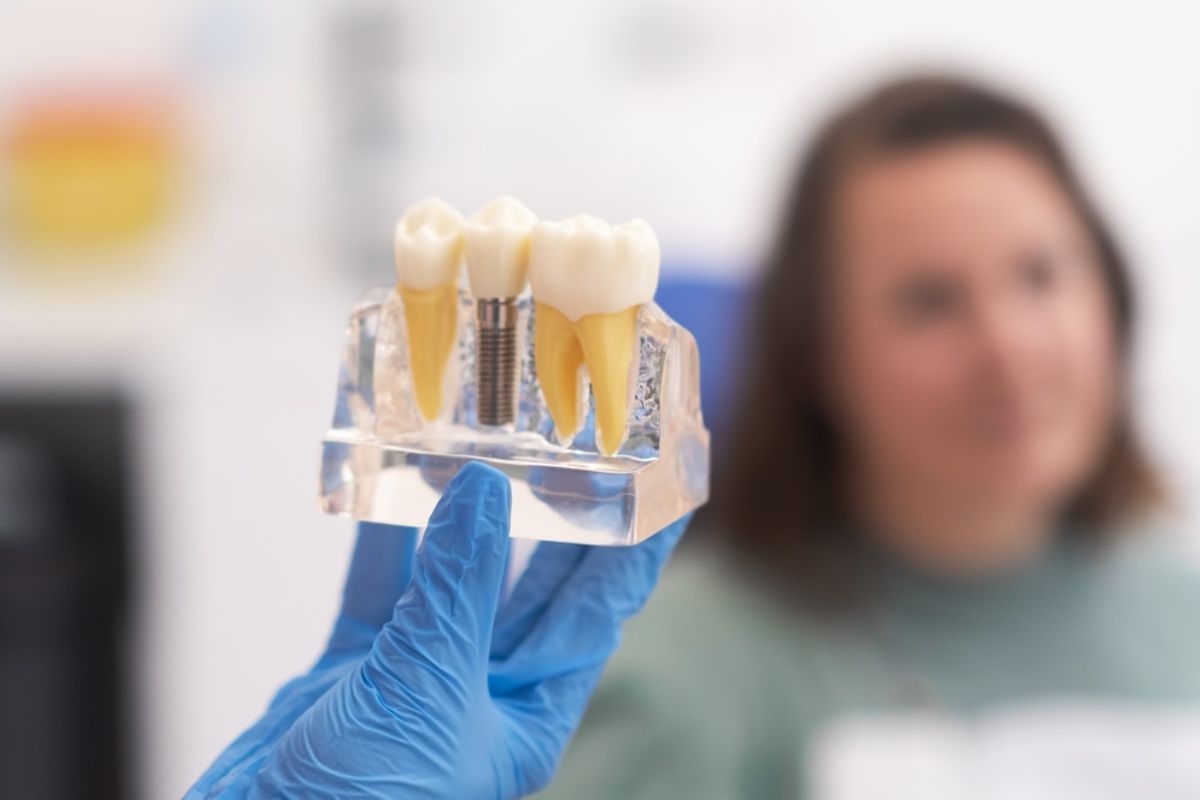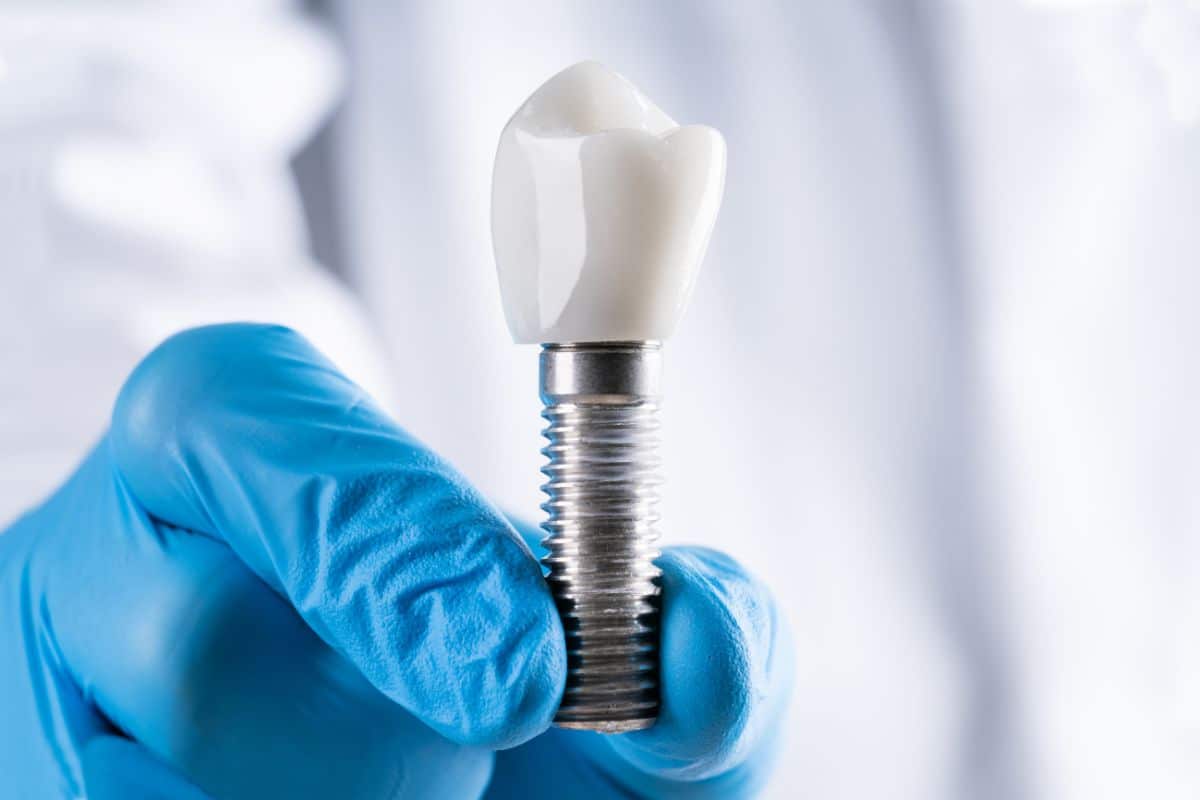
Dental implants are an effective and long-lasting solution for replacing missing teeth. However, not everyone is a candidate for the restorative procedure. Several medical conditions can affect your ability to receive this treatment, and it’s important to understand these factors before proceeding. If you’re considering permanent tooth replacements, consulting with a specialist is essential to determine if you’re a suitable candidate based on your overall health.
However, some underlying health conditions can complicate or even prevent the treatment’s success. Let’s dive into some key medical conditions that may affect dental implant candidacy.
Common Conditions That Can Impact Dental Implant Success
Several medical conditions can hinder the process, and they include:
1. Gum Disease And Poor Oral Health
Gum disease is one of the most common conditions that can prevent the success of the restorative procedure. Periodontitis, or advanced gum disease, causes significant damage to the bone that supports the teeth. Without a strong, healthy jawbone, the dental posts may not be stable.
- What You Can Do?
If you have gum disease, it must be treated before implants can be placed. Regular cleanings, proper brushing, and good oral hygiene habits are essential in preventing gum disease and ensuring a strong foundation for the treatment.
2. Diabetes And Blood Sugar Control
For people with diabetes, especially those who have difficulty controlling their blood sugar, dental implants can pose challenges. High blood sugar weakens the body’s ability to heal, potentially delaying healing after surgery. Diabetes also increases the risk of infection.
- What You Can Do?
If you have diabetes, ensure your blood sugar is well-controlled before seeking permanent tooth replacements. Your dentist will work closely with your doctor to determine the best treatment approach.
3. Smoking And Tobacco Use
Smoking is another significant risk factor for implant failure. Tobacco impairs blood flow to the gums, reducing the body’s ability to heal. The chemicals in cigarette smoke can also increase the likelihood of infection, which can negatively affect the implants.
- What You Can Do?
If you smoke, consider quitting before the procedure. Quitting tobacco can significantly improve your chances of success and promote faster healing.
4. Osteoporosis And Bone Density
In patients with osteoporosis, bone density may be compromised, making dental implants less successful. Osteoporosis weakens the bones, including the jawbone, which is necessary for the implant to anchor properly. A weakened jawbone can lead to implant failure if not addressed.
- What You Can Do?
In some cases, bone grafting may be an option to help strengthen the jawbone before the dental posts are placed. During the consultation, the professional will assess your bone density and recommend appropriate treatment steps.
5. Autoimmune Diseases
Autoimmune diseases like rheumatoid arthritis or lupus can hinder the body’s ability to heal properly. These conditions may make patients susceptible to infection and slower to recover after dental surgery. Medications used to treat autoimmune diseases, such as immunosuppressants, may also increase the risk of complications.
What You Can Do?
Consult with your implant dentist to ensure your health is under control before considering dental implants. After proper diagnosis, they will recommend a treatment plan that suits your specific needs.
How To Ensure The Success Of Your Prosthetic Teeth?
While certain health conditions can complicate the dental implant process, there are steps you can take to improve your chances of success:
1. Full Evaluation Before Treatment
Before moving forward with dental implants, your dentist will perform a full evaluation of your health. This includes reviewing your medical history, conducting X-rays, and assessing your overall oral health to determine if implants are right for you.
2. Treat Underlying Health Issues First
If you have any of the conditions listed above, your dentist may recommend treating them before starting the treatment. Addressing gum disease, managing diabetes, quitting smoking, or treating bone loss can help ensure better results with implants.
3. Follow Post-Operative Care Instructions
Once the implants are placed, following post-operative care instructions is crucial. This includes avoiding hard foods, maintaining good oral hygiene, and attending follow-up appointments to ensure the healing process is on track.
What To Expect Post-Implant Surgery?
The implant surgery involves multiple stages. When you visit our dental office, here’s a general overview of what to expect:
- Surgical Placement: The titanium implant is placed into your jawbone during a minor surgery.
- Healing and Osseointegration: Over a few months, the implant will fuse with the bone, providing a solid foundation.
- Abutment Placement: Once the implant has fully integrated with the bone, an abutment is placed, followed by the custom crown.
During the healing process, keeping your gums healthy and maintaining proper oral hygiene are key to the success of the treatment.
Consult Our Implant Dentist Today!
If you’re considering getting dental implants, understanding how medical conditions affect your candidacy is crucial. A consultation with our specialist will help assess your eligibility and ensure that you’re on the right track to achieving a healthy, functional smile. Don’t let health concerns prevent you from achieving the smile you deserve. Book an appointment today with our trusted implant dentist to discuss your options and learn how it can enhance your quality of life and oral health.
Frequently Asked Questions
Q. Can diabetes affect dental implant success?
Yes, diabetes can impact the healing process after the surgery. Controlled blood sugar levels are essential for successful implant integration, and poor control can increase the risk of complications.
Q. What health conditions disqualify you from getting dental implants?
Severe heart disease, uncontrolled diabetes, and active cancer can interfere with the healing and success of your permanent tooth replacements. A thorough medical evaluation will determine if implants are a suitable option for you.
Q. How long do dental implants take to heal?
Healing time after getting artificial tooth roots usually takes 3 to 6 months, depending on your individual health and bone condition. During this period, the implant fuses with the bone, a process known as osseointegration.
Q. Can smoking affect my prosthetic teeth?
Smoking can significantly hinder the healing process after the restoration surgery. It restricts blood flow to the gums and can increase the risk of infection or implant failure, delaying the overall success.
Q. Are dental implants safe for older adults?
Yes, it is safe for older adults as long as they are in good overall health. Age alone is not a barrier, but medical conditions such as osteoporosis may require additional consideration.