Dental implants are a long-term solution for those looking to restore their smile. When cared for properly, they can last a lifetime, giving you confidence to enjoy daily activities like dining at your favorite local spots like The Mansion at Glen Cove to taking a walk around the historic Great Neck Park. However, it’s essential to take the necessary steps to ensure that your implanted tooth remains in excellent condition.
In this blog, you will learn the five key steps to extend the longevity of your implanted tooth, ensuring it continues to provide a lasting, reliable solution for years to come.
Step 1: Maintain Excellent Oral Hygiene
One of the most effective ways to keep your dental implants healthy is by maintaining proper oral hygiene. While this procedure is designed to be durable, they still require regular cleaning to avoid complications such as infection or gum disease.
- Brushing: Use a soft-bristle toothbrush and fluoride toothpaste to brush your teeth at least twice a day. Make sure to clean around the implant posts and surrounding gums to prevent plaque buildup.
- Flossing: Use implant-safe floss or a water flosser to clean between the implants and the surrounding teeth. This removes the food particles and plaque that can accumulate.
Great Neck residents know the value of a good meal, whether it’s a tasty bagel from Bagel Boss or a delicious slice of pizza at Sicilian Feast. Keeping your smile healthy and clean ensures that you can continue to enjoy your local favorites without worry!
Step 2: Regular Check-Ups with Your Implant Dentist
Scheduling regular check-ups is crucial to ensuring the long-term success of the treatment. During these visits, your dental professional will assess the condition, check for any signs of infection, and ensure that everything is functioning as it should.
These appointments are an excellent opportunity for you to address any concerns. Make sure to ask questions and receive professional advice on how to care for your implants. Remember, just as you’d visit your doctor for a routine check-up, it’s important to see your implant specialist regularly to maintain your oral health and prevent potential issues down the road.
Step 3: Avoid Hard or Sticky Foods
While implants are designed to be durable, they can still be vulnerable to damage from excessively hard or sticky foods. Biting into hard foods like ice, nuts, or hard candies can damage the implant or crown. On the other hand, sticky foods like caramel or taffy can cause buildup around the implant, leading to possible discomfort and infection.
Instead, opt for softer foods and make sure to cut your meals into manageable pieces. Lenny’s Bagels and local seafood favorites are delicious options that are both satisfying and gentle on your implants.
Step 4: Protect Your Implants from Teeth Grinding
Teeth grinding, or bruxism, can put undue stress on your implanted tooth, leading to premature wear or damage. If you’re prone to grinding your teeth, especially at night, talk to your implant provider about using a custom-made mouthguard. This will protect your implants and natural teeth from the forces of grinding while you sleep.
Locals in Great Neck have access to excellent dental care. Thus, addressing any signs of bruxism early on can save you from unnecessary headaches down the line. If you’re unsure whether you grind your teeth, your dentist can offer helpful guidance on recognizing the signs and preventing future damage.
Step 5: Quit Smoking or Using Tobacco Products
Smoking or using tobacco products can significantly shorten the lifespan of your dental restorations. Tobacco impairs the body’s healing process and reduces blood flow to the gums, which can increase the risk of implant failure or gum infection.
If you currently smoke, consider quitting or at least limiting your consumption. This simple step can have a profound effect on the longevity of your implants. Moreover, Great Neck residents are fortunate to live in a health-conscious community, where local parks and outdoor activities provide plenty of motivation to stay healthy and smoke-free.
What Makes Implants a Perfect Tooth Replacement?
This restorative procedure is widely considered one of the most durable and reliable options for tooth replacement. Unlike traditional dentures and bridges, implants are designed to function just like natural teeth. By mimicking the root of a tooth, they provide a stable, long-term solution for those who have lost teeth. However, their longevity and durability depend heavily on proper care. Here’s what makes this treatment a long-lasting option when maintained correctly:
Strong Foundation with Osseointegration
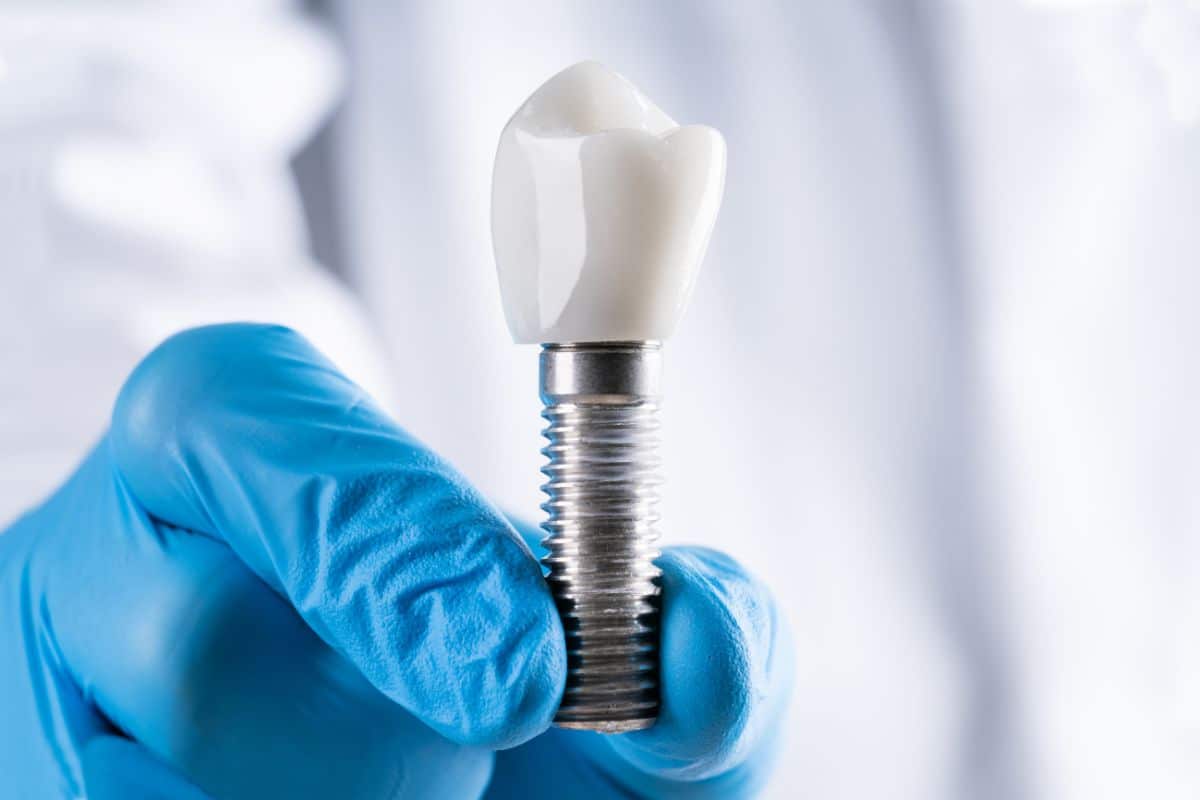
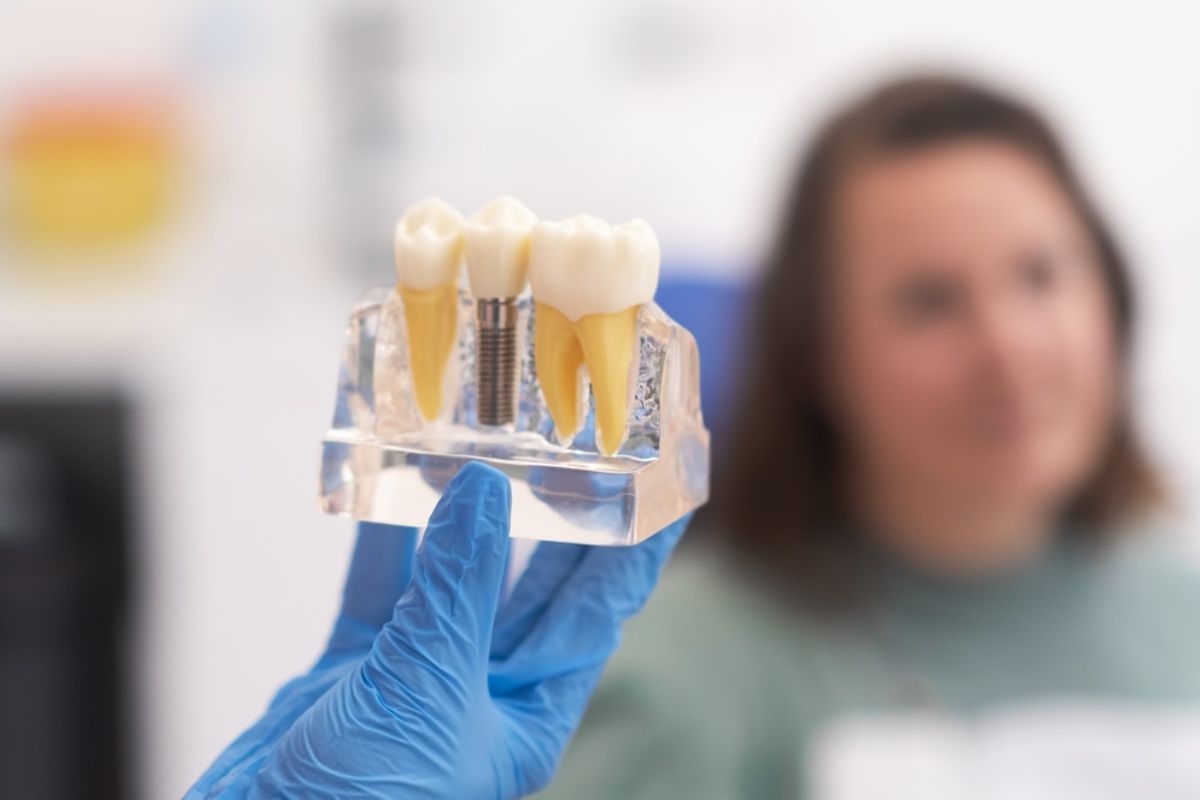
One of the key factors that contributes to the durability of implants is the process of osseointegration. After the titanium implant is placed into your jawbone, it fuses with the bone tissue over a period of time. This creates a solid, permanent foundation that is extremely stable, much like a natural tooth root. With a well-established foundation, these artificial tooth roots are less likely to shift or loosen, making them a reliable solution for replacing missing teeth.
This unique ability to integrate with the bone ensures that the implants won’t suffer from bone loss over time, unlike traditional tooth replacements that do not preserve jawbone structure.
Long-Lasting Materials
These dental restorations are made from materials such as titanium and zirconia, known for their strength, biocompatibility, and corrosion resistance. Titanium is particularly durable because it is not only strong but also integrates naturally with the bone. The implant post is designed to withstand daily wear and tear, while the crown (usually made of porcelain or ceramic) provides an aesthetically pleasing, durable replacement for a natural tooth.
These materials are resistant to cracking or chipping, and with proper care, the implant itself can last for decades or even a lifetime.
Prevention of Bone Loss
A key advantage of this tooth replacement procedure is its ability to prevent jawbone loss. When a tooth is lost, the jawbone beneath it can begin to deteriorate over time. This is because it no longer receives the stimulation from the tooth root. Implants, however, stimulate the jawbone in the same way as natural tooth roots, which maintains the bone’s structure and density. This not only contributes to the durability of the implant but also preserves your facial structure and prevents the sunken appearance that often occurs with missing teeth.
Resistant to Cavities
Unlike natural teeth, these artificial tooth roots are not susceptible to cavities. The materials used do not decay. This significantly reduces the risk of complications like tooth decay and the need for fillings. However, it’s important to note that while implants themselves don’t get cavities, the surrounding gum tissue can still become infected or inflamed.
Thus, maintaining good oral hygiene is key to keeping the surrounding areas healthy. By preventing decay and avoiding the need for frequent repairs or replacements, implants are a long-lasting option in the long run.
Easy Maintenance
These dental restorations are easy to maintain compared to other tooth replacement options like dentures. Unlike other alternatives, which require regular removal and cleaning, implants are fixed in place, making them more convenient for everyday use. Regular brushing, flossing, and professional check-ups with your implant dentist will keep your implants clean and free from plaque buildup. As long as you take care of your oral hygiene, these oral appliances require minimal maintenance and can last for decades.
Quality Oral Care Ensures Long-lasting Dental Restoration
With a stable foundation, high-quality materials, and proper oral hygiene, your implants can serve you for many years to come, allowing you to enjoy all the local delights of this city in New York. Taking proactive steps will ensure they stay strong and functional for a lifetime.
If you’re considering implants or want to ensure the longevity of your existing dental implants, don’t hesitate to schedule a consultation with our team at Signature Smiles.
Frequently Asked Questions
1. How often should I see my implant dentist?
It’s recommended to visit your implant specialist every 6 months for routine check-ups and cleanings to ensure your implants remain healthy.
2. Can dental implants get cavities?
Dental implants cannot get cavities, but the surrounding gums can still suffer from infection, so maintaining oral hygiene is essential.
3. Is there a food I should avoid after getting implants?
Avoid hard, sticky, and chewy foods that could potentially damage your dental implants or cause complications during the healing process.
4. How long will my dental implants last?
With proper care, dental implants can last a lifetime, though the crowns may need replacement every 10-15 years.
5. Are dental implants painful?
The procedure itself is typically performed under local anesthesia, and any discomfort afterward can be managed with over-the-counter pain relievers.
6. Can I smoke after getting dental implants?
It’s best to avoid smoking, as it can hinder the healing process and increase the risk of implant failure.
7. Can I still enjoy my favorite foods with dental implants?
Yes! You can enjoy most foods with dental implants, but be mindful of hard or sticky foods that may damage your implants.