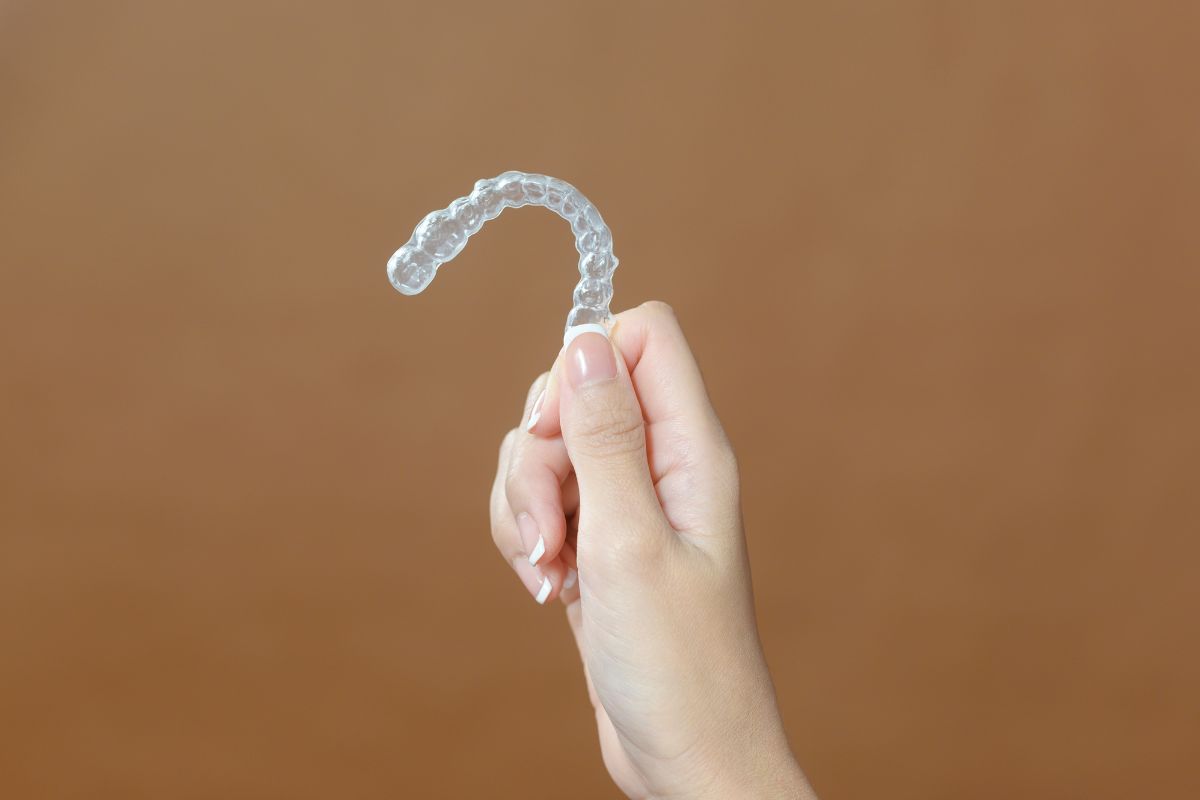
Turning 40 does not mean you have missed the opportunity to straighten your teeth. Healthy teeth can move at almost any age when the gums and supporting bone are strong enough. For adults considering Invisalign, age matters far less than oral health, treatment needs, and daily commitment.
At Signature Smiles, Dr. Yuval Spector evaluates each patient’s teeth, bite, gums, and dental history before recommending care. This assessment is especially important for adults with crowns, fillings, gum recession, or previous dental work.
Can You Get Invisalign After 40?
Yes, many people begin Invisalign treatment in their 40s, 50s, or later. Clear trays apply controlled pressure that gradually moves teeth into planned positions. The process can address crowding, gaps, crooked teeth, and certain bite problems.
However, your mouth must be healthy before tooth movement begins. Active gum disease, untreated decay, or significant bone loss may need to be addressed first. The American Association of Orthodontists confirms that adults can benefit from orthodontic care and that treatment may improve alignment, chewing, oral hygiene, and comfort.
Why Do Teeth Become Misaligned in Adulthood?
Some adults have lived with crooked teeth since childhood. Others notice changes later in life. Common reasons include:
- Natural tooth movement over time
- Failure to wear a retainer after previous orthodontic care
- Tooth loss that allows nearby teeth to shift
- Gum disease and changes in supporting bone
- Teeth grinding or long-term bite pressure
- Dental restorations that alter how the teeth meet
Misalignment can affect more than appearance. Crowded or overlapping teeth may create areas that are harder to brush and floss. Improving alignment may support a more effective oral hygiene routine.
Benefits of Invisalign for Adults Over 40
A Discreet Appearance
Invisalign aligners are clear and fit closely over the teeth. They are less noticeable during work, at social events, in photographs, and in everyday conversations. This feature appeals to adults who want to straighten their teeth after 40 without metal brackets.
Removable Trays
You remove the trays for meals, brushing, and flossing. There are no restrictions on food, but you should clean your teeth before putting the trays back in. Most patients must wear them for approximately 20 to 22 hours daily, following their provider’s instructions.
Easier Daily Oral Care
Because these transparent aligners are removable, you can continue brushing and cleaning between your teeth normally. This can be valuable for adults who already have crowns, bridges, or areas of gum recession.
Better Function and Confidence
Correcting crowding or bite concerns may improve chewing, reduce uneven tooth wear, and make the teeth easier to clean. A straighter smile can also help you feel more comfortable in professional and social settings.
What Does Invisalign Cost After 40?
Age alone does not determine the price of Invisalign treatment. The total fee depends on:
- The complexity of the tooth and bite movements
- The estimated treatment length
- The number of trays and refinement stages required
- Necessary dental care before treatment
- Insurance coverage for adult orthodontic services
- Retainers required after tooth movement
According to the manufacturer, costs are often comparable to those of traditional braces, but each case requires an individual estimate. Some dental insurance plans include adult orthodontic benefits, while others exclude them. Review deductibles, lifetime limits, and waiting periods before beginning care.
What Results Can Adults Expect?
Results depend on the original alignment problem, biological response, and consistency with wear. Invisalign aligners can address many cases of spacing, crowding, overbite, underbite, crossbite, and open bite. Some complex movements may require attachments, elastics, additional trays, or another orthodontic approach.
Treatment length varies. Mild corrections may take several months, while complex bite changes can require a year or longer. During your consultation, Dr. Yuval Spector can explain whether transparent aligners are suitable for your needs and provide a projected timeline.
For an accurate assessment, visit our dental office for digital imaging, a bite evaluation, and a gum health examination. These findings allow the dentist to plan tooth movement without relying on a general online estimate.
How to Support Predictable Results
Your daily habits play a major role in clear aligner therapy. To stay on track:
- Wear each tray for the prescribed number of hours
- Change trays only according to your schedule
- Remove them before eating or drinking anything except water
- Brush and floss before reinserting them
- Keep every monitoring visit
- Wear your retainer after active treatment
Retainers are essential because teeth can shift after orthodontic care. Consistent retainer use helps protect your final alignment.
Start Your Smile Transformation
Being over 40 should not keep you from exploring a healthier, more confident smile. With proper planning and consistent wear, Invisalign may provide meaningful changes without disrupting your routine.
Contact Signature Smiles to book an appointment. Our dental office welcomes patients from nearby Long Island, Queens, and New York City who want to learn more about transparent aligners and their treatment options.
Frequently Asked Questions
1. Is 40 too old for clear aligners?
No. There is no fixed upper age limit for orthodontic tooth movement. Your gum health, bone support, dental history, and ability to follow the wear schedule matter more than your age.
2. Does treatment take longer after age 40?
Not necessarily. The timeline depends on the movements required and how consistently you wear the trays. Your dentist can provide a more accurate estimate after examining your teeth and bite.
3. Can I use clear trays if I have crowns or fillings?
Many adults with crowns and fillings can receive Invisalign treatment. The dentist must examine each restoration and determine how attachments or tooth movement may affect it before planning care.
4. Will the trays affect my speech?
You may notice a slight lisp during the first few days. Most patients adapt as their tongue becomes familiar with the trays. Consistent wear usually helps speech return to normal quickly.
5. Are the results permanent?
Teeth can move again at any age. Wearing a prescribed retainer after Invisalign helps maintain the new positions. Your dentist will explain how often and how long to wear it.
6. Can treatment improve oral health?
Straighter teeth may be easier to brush and floss, particularly when crowding creates difficult-to-reach areas. Results vary, and treatment does not replace regular cleanings, examinations, or daily oral care.