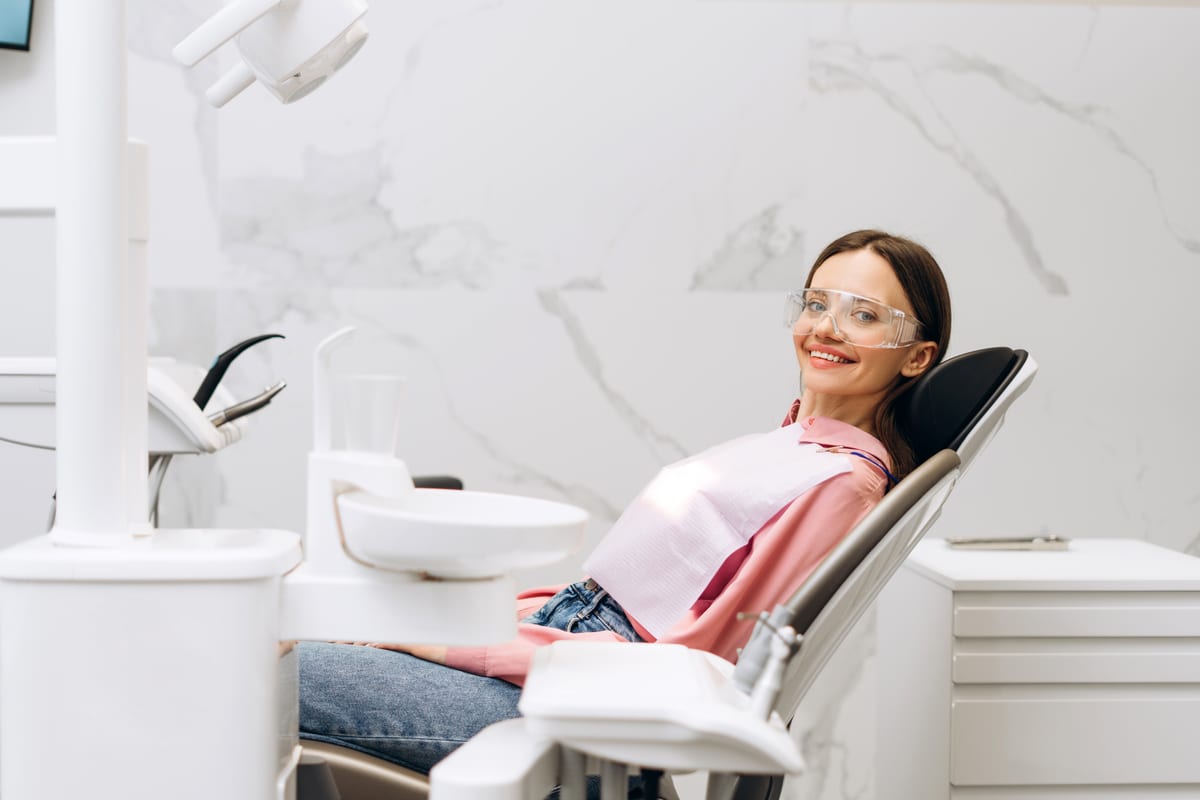
Most people in University Gardens brush their teeth every single day. Many floss regularly too. Yet tartar still builds up — and that’s not a failure on your part. It’s simply how plaque behaves once it hardens. Understanding why brushing can’t remove tartar, and why you need us at Signature Smiles, helps you make smarter choices for your long-term oral health. Dr. Yuval Spector and our team are here to fill in the gaps that your toothbrush simply cannot reach.
What Is Tartar and How Does It Form in University Gardens Smiles?
Tartar starts as plaque — a soft, sticky film of bacteria that coats your teeth daily. Plaque is actually removable with a toothbrush and floss. The problem begins when plaque isn’t fully cleared away within 24 to 72 hours.
During that window, minerals from your saliva bind with plaque. This process hardens it into a calcified substance called tartar, also known as calculus. Once tartar forms, it bonds tightly to tooth enamel and below the gumline.
No amount of brushing will break that bond. Tartar is essentially hardened mineral deposit — your toothbrush bristles simply slide over it. This is why professional intervention becomes necessary, not optional.
Why Brushing Can’t Remove Tartar — The Science Behind It
Your toothbrush is designed to disrupt soft plaque. It works extremely well at that specific job. But tartar has a completely different texture and structure than fresh plaque.
Think of plaque like wet clay and tartar like fired ceramic. You can wipe away wet clay easily. Fired ceramic requires specialized tools to chip away. The same principle applies inside your mouth.
Tartar adheres to enamel at a microscopic level. Brushing harder doesn’t help — it can actually irritate your gums without removing any tartar. Even electric toothbrushes, as powerful as they are, cannot break the mineral bond that holds tartar in place.
Mouthwash and whitening toothpastes don’t dissolve tartar either. They may reduce new plaque formation, but they have no chemical power over hardened calculus. This is a biological reality, not a product limitation.
What a Professional Cleaning Actually Removes
At Signature Smiles, a professional cleaning does far more than a polish. Our hygienists use specialized tools called scalers and ultrasonic instruments. These tools vibrate or scrape at a frequency that breaks apart hardened tartar without harming your enamel.
Here’s what we remove during a professional teeth cleaning that home care simply cannot address:
- Supragingival tartar — deposits sitting on the visible surface of your teeth
- Subgingival tartar — buildup hiding below your gumline, where bacteria thrive
- Surface stains — discoloration embedded in tartar layers
- Bacterial biofilm — colonies of harmful bacteria living within calculus deposits
- Plaque from hard-to-reach areas — between teeth, behind molars, and around dental work
Removing subgingival tartar is especially important. That below-the-gumline buildup is directly linked to gum disease progression. You cannot see it, feel it, or reach it at home — but we can.
The Real Risks of Letting Tartar Go Untreated
Tartar isn’t just a cosmetic problem. It creates a rough, porous surface that attracts even more bacteria. Over time, this accelerates tooth decay and gum disease in ways that are difficult to reverse.
Untreated tartar buildup leads to some serious oral health consequences:
- Gingivitis — red, swollen, bleeding gums
- Periodontitis — deeper infection that destroys bone supporting your teeth
- Persistent bad breath caused by bacterial colonies in tartar
- Increased risk of cavities forming at the gumline
- Tooth loss in severe, long-term cases
Research also links chronic gum disease to systemic health conditions. These include cardiovascular disease and diabetes complications. Keeping tartar under control is genuinely good for your whole body.
For University Gardens patients who see us for Family Dentistry University Gardens visits, regular cleanings are the frontline defense against these escalating risks.
When Standard Cleaning Isn’t Enough — Scaling and Root Planing
Sometimes tartar has been building up for a long time. When it reaches deep below the gumline, a standard cleaning may not be sufficient. In those cases, Dr. Spector may recommend a deeper treatment called scaling and root planing.
This procedure removes tartar from the root surfaces of your teeth. It also smooths those surfaces so bacteria have fewer places to attach going forward. It is performed with local anesthetic for your comfort.
Scaling and root planing is not a punishment — it’s a reset. Many patients with early-to-moderate gum disease see significant improvement after this treatment. It can stop disease progression and help your gum tissue reattach properly.
Patients who care about both health and the appearance of their smiles also ask us about Cosmetic Dentistry University Gardens options. A clean, tartar-free smile is the ideal foundation before any cosmetic work begins.
How Often Should University Gardens Patients Get a Professional Cleaning?
The standard recommendation is every six months for most healthy adults. This schedule gives tartar less time to accumulate and cause damage. It also lets Dr. Spector catch early problems before they escalate.
Some patients need more frequent visits — typically every three to four months. This applies to people with active gum disease, a history of heavy tartar buildup, or certain health conditions that affect oral bacteria levels.
Your cleaning schedule should be personalized to your mouth. Our team will assess your situation and recommend the interval that makes the most sense for you specifically.
The worst thing you can do is skip cleanings because your teeth feel fine. Tartar builds silently. By the time you notice symptoms, the damage is often already significant.
Taking Control of Your Oral Health at Signature Smiles
Brushing and flossing are genuinely important habits. They reduce plaque before it hardens and help protect your gums every single day. But they were never designed to do the whole job alone.
Professional cleanings and brushing work as a team. One maintains your health at home; the other removes what home care cannot reach. Together, they give you the best possible protection against tartar-related damage.
At Signature Smiles in Great Neck, NY, Dr. Yuval Spector and our hygiene team treat every patient as an individual. We explain what we’re finding, why it matters, and what you can do to stay ahead of tartar buildup between visits. Your University Gardens neighbors trust us with their smiles — and we take that seriously.
Ready to get a cleaning that actually goes beyond what your toothbrush can do? Book Now to schedule your appointment with our team.
Frequently Asked Questions
Can tartar be removed at home with any special tools?
No. Tartar requires professional dental instruments to safely remove. Home tartar scrapers sold online can damage enamel and cut gum tissue if used incorrectly. Always have tartar removed by a licensed dental professional.
How quickly does plaque turn into tartar?
Plaque can begin mineralizing into tartar within 24 to 72 hours of forming. This is why consistent daily brushing and flossing are so important — they remove plaque before it has a chance to harden.
Is tartar buildup a sign that I’m brushing wrong?
Not necessarily. Some people naturally produce more mineral-rich saliva, which accelerates tartar formation regardless of brushing technique. Genetics, diet, and dry mouth can all increase your tartar buildup rate. Our team can help identify your personal risk factors.
What does tartar look like on teeth?
Tartar often appears as a yellow or brown deposit near the gumline or between teeth. It can also form as a harder white or grey crust. If you notice any rough, chalky buildup on your teeth, it’s time to schedule a cleaning.
Does scaling and root planing hurt?
Dr. Spector performs scaling and root planing with local anesthetic, so the procedure itself is comfortable. Some patients experience mild sensitivity for a day or two afterward. Most people find the recovery very manageable and appreciate the improvement in their gum health.