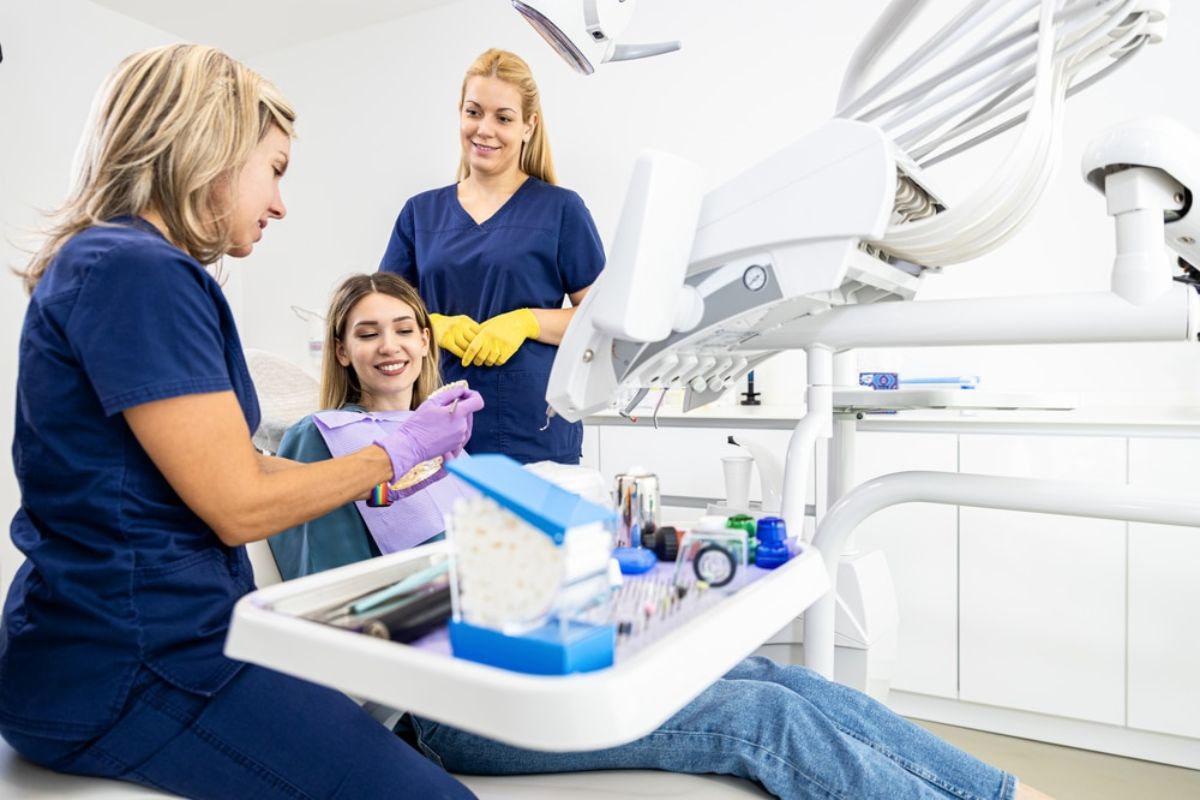
Dental implants have become a popular and effective solution for replacing missing teeth. If you’re considering implants, you might wonder if your family dentist can perform the procedure. Family dentistry plays a crucial role in maintaining oral health, but are family dentists qualified to place dental implants? This blog explores whether family dentists can place implants, the qualifications required, and how to choose the right provider for your implant needs. If you’re in the Great Neck area, you may be wondering about your options for a family dentist in Great Neck who can perform this procedure.
Understanding the Role of a Family Dentist
Family dentists focus on preventive care, diagnosis, and treatment of various dental issues for patients of all ages. Their primary responsibilities include:
- Routine checkups and cleanings
- Cavity fillings
- Root canals
- Gum disease treatment
- Pediatric dental care
- Cosmetic treatments like teeth whitening
While family dentists provide a broad range of dental services, their training and expertise in specialized procedures, like dental implants, can vary.
What Are Dental Implants?
Dental implants are a long-term solution for replacing missing teeth. They consist of three main components:
- Implant post: A titanium screw surgically placed into the jawbone to serve as an artificial tooth root.
- Abutment: A connector that attaches the implant post to the dental crown.
- Dental crown: A custom-made artificial tooth that resembles a natural tooth in appearance and function.
Dental implants offer numerous benefits, including improved speech, better chewing ability, and enhanced oral health. However, the procedure requires a high level of precision and expertise.
Can a Family Dentist Place Dental Implants?
A family dentist’s ability to place dental implants depends on several factors:
- Education and Training: Family dentists receive general dental training, including an introduction to dental implants. However, placing implants requires advanced knowledge of oral surgery, bone structure, and prosthodontics. Some family dentists pursue additional training and certifications in implant dentistry.
- Experience in Implant Procedures: Not all family dentists regularly perform implant surgery. Some may have extensive experience and a track record of successful implants, while others may prefer to refer patients to specialists like oral surgeons or periodontists.
- Access to Advanced Technology: Successful implant placement relies on precise diagnostics and surgical techniques. A family dentist must have access to advanced tools such as:
- Digital X-rays and 3D imaging
- Cone beam computed tomography (CBCT) for detailed jawbone evaluation
- Computer-guided implant placement technology
Dentists lacking these resources may not be well-equipped to perform implant procedures safely and effectively.
When Should You See a Specialist for Dental Implants?
Although some family dentists place dental implants, certain cases require specialized expertise. You may need to see a specialist if you:
- Have severe bone loss in the jaw that requires grafting
- Have complex medical conditions that affect healing
- Need multiple implants or full-mouth restoration
- Require sinus lift surgery before implant placement
Oral surgeons, periodontists, and prosthodontists have advanced training in handling complex cases, ensuring better outcomes.
How to Determine if Your Family Dentist Can Place Implants
If you’re considering dental implants from your family dentist, ask the following questions:
- What training and certifications do you have in implant dentistry?
- How many implant procedures have you performed?
- What technology do you use for implant placement?
- Can you show before-and-after photos of previous implant patients?
- What is your success rate with dental implants?
- Do you collaborate with specialists if needed?
A well-trained and experienced family dentist should be transparent about their expertise and whether they are the right provider for your implant needs.
Benefits of Choosing a Family Dentist for Implants
If your family dentist has the necessary skills, there are several advantages to choosing them for your implant procedure:
- Convenience: You already have a relationship with your dentist, making the process more comfortable and seamless.
- Personalized care: Your dentist knows your dental history, allowing for a more tailored treatment plan.
- Cost-effectiveness: In some cases, a family dentist may offer more affordable implant procedures compared to specialists.
- Comprehensive care: Your family dentist can oversee the entire treatment process, from the initial consultation to post-implant maintenance.
Potential Risks of Getting Implants from a Family Dentist
While a qualified family dentist can successfully place implants, there are potential risks if they lack experience:
- Improper placement leads to implant failure or complications.
- Inadequate bone assessment resulting in poor integration.
- Higher risk of infection if strict surgical protocols are not followed.
- Longer healing time due to improper technique.
If your case is complex, consulting a specialist may minimize these risks and improve long-term results.
Should You Get Implants from a Family Dentist?
A family dentist can place dental implants if they have the proper training, experience, and technology. However, not all family dentists specialize in implant procedures, so evaluating their qualifications is essential.
A skilled family dentist may provide excellent results for straightforward cases. However, for more complex cases, consulting a specialist ensures a higher likelihood of success. Always research, ask questions, and choose a provider who can offer the best care for your specific needs.
If you’re considering dental implants, call Signature Smiles at 516-487-2022 or book an appointment online. Our dental clinic offers the latest dental techniques and technology.