Dental implants are widely celebrated for their durability and ability to restore both function and aesthetics. Made from high-quality materials like titanium, they are designed to last a lifetime with proper care. But many people wonder: Can titanium dental restoration corrode over time? While titanium is known for its strength and resistance to rust, concerns about the longevity and safety of dental restorations are common. In this blog, we’ll dive deep into whether titanium restoration can corrode, how long it lasts, and what you can do to ensure its longevity.
Titanium and Its Role in Dental Implants
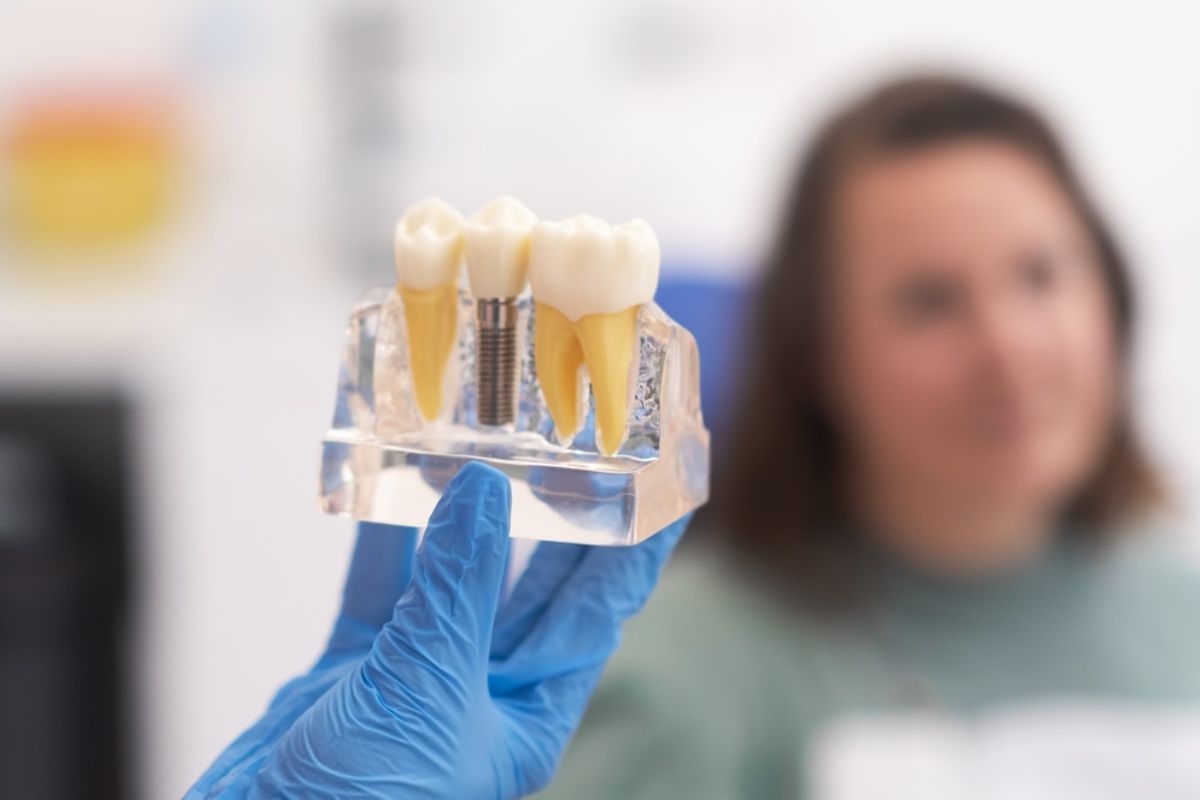
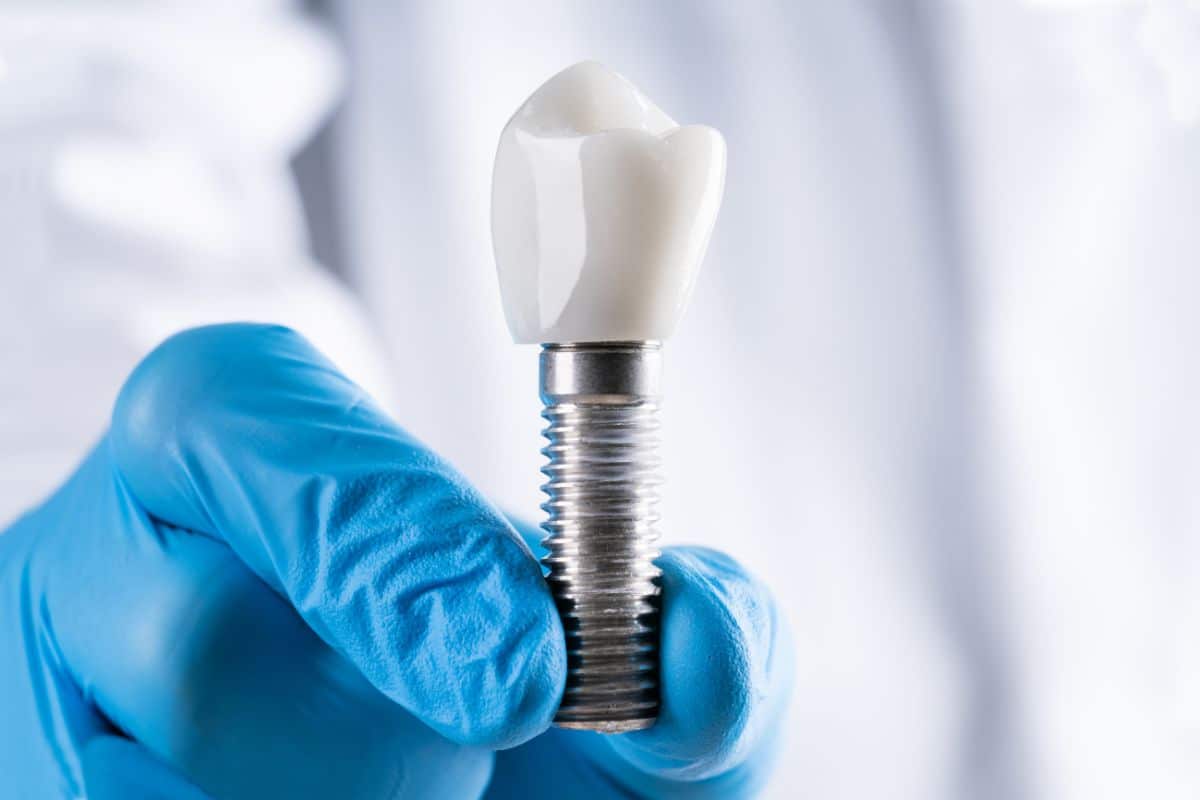
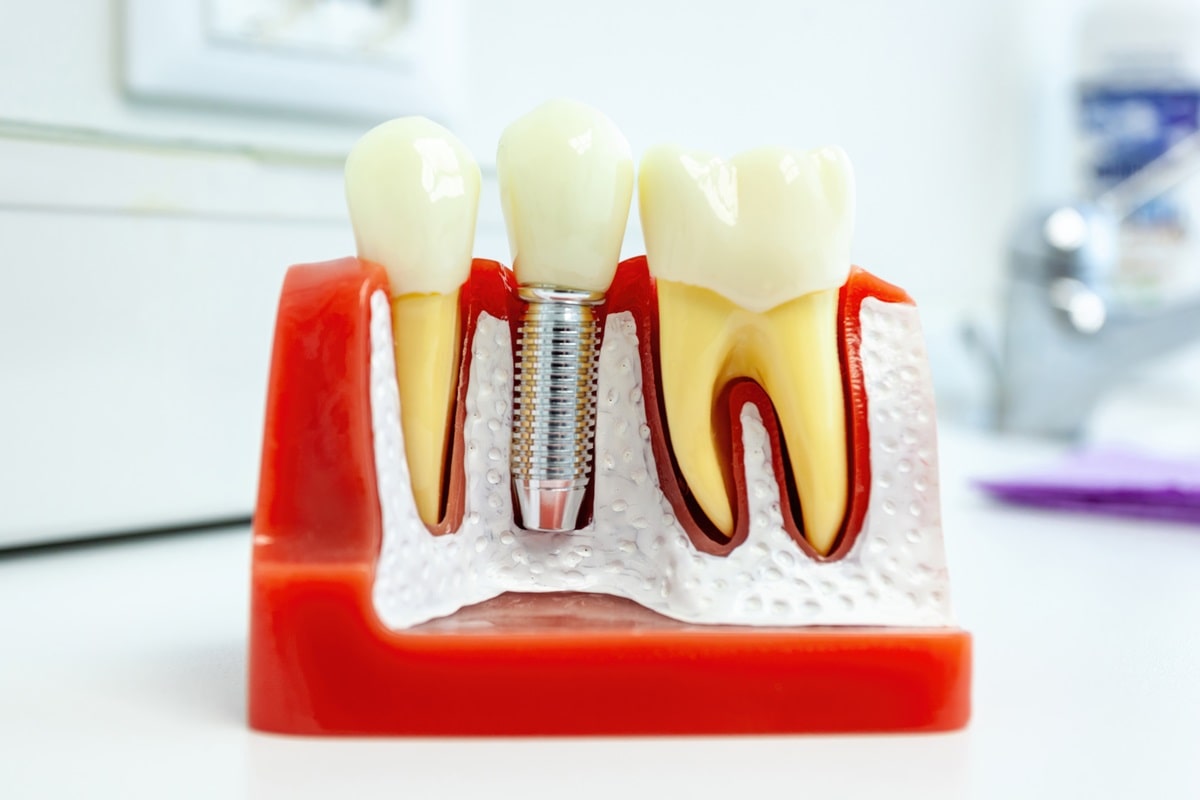
Titanium has been the material of choice for dental restorations for decades due to its unique properties. It is strong, lightweight, and biocompatible, which means it integrates well with bone without causing irritation or rejection. When placed properly, titanium dental restorations bond with the jawbone through a process called osseointegration. This allows them to provide a stable foundation for artificial teeth.
One of the most important questions that often arises is whether this durable material can corrode over time. The short answer is no, titanium dental restorations are resistant to corrosion. However, it’s best to book an appointment with your dentist after the treatment for expert and professional care.
Factors That Can Affect the Longevity of Titanium Implants
While titanium is highly resistant to corrosion, it is not completely impervious to damage. A variety of factors can influence the longevity and strength of dental restorations, including:
- Oral Hygiene: Proper care and cleaning are essential to prevent bacterial buildup and plaque formation, which can lead to infection and affect the integrity of the treatment.
- Diet: Certain foods and drinks can impact the health of your restorations. Acidic or sugary substances can encourage bacterial growth and weaken the surrounding tissues.
- Smoking: Smoking impairs the healing process, which can negatively affect the osseointegration of your titanium restoration.
- Bruxism (Teeth Grinding): Grinding or clenching your teeth can put undue stress on your implant, potentially causing damage over time.
By maintaining a good oral care routine and attending regular checkups with your implant dentist, you can ensure your titanium restoration remains in top condition.
Why Titanium Is Resistant to Corrosion
Titanium is known for its remarkable resistance to corrosion, which makes it an ideal choice for medical and dental implants. Here’s why:
- Natural Oxide Layer: Titanium forms a protective oxide layer on its surface when exposed to oxygen. This layer is stable, non-reactive, and helps prevent corrosion from environmental factors.
- High Biocompatibility: The body does not reject titanium because it is highly compatible with human tissue, which reduces the likelihood of corrosion due to bodily reactions.
- Resistance to Harsh Environments: Titanium is highly resistant to acidic conditions, extreme temperatures, and exposure to chemicals that might corrode other metals. This makes it an excellent choice for use in dental restorations.
Can Titanium Implants Corrode Over Time?
While titanium dental restorations are resistant to corrosion, they are not immune to external factors. The risk of corrosion is generally minimal, but it is not entirely ruled out. Some of the rare conditions where corrosion could occur include:
- Poor Implant Placement: If the restoration is not placed properly or if it becomes loose, bacteria can accumulate around the restoration, leading to infection and potential damage to the material.
- Poor Maintenance: Failing to brush and Floss regularly can lead to plaque buildup, which may cause peri-implantitis, a bacterial infection around the surgical area that can cause long-term damage.
- Exposure to Certain Metals: If your titanium restoration comes into contact with certain metals (like copper or iron), there may be a rare chemical reaction that could lead to corrosion.
However, with proper care, the risk of titanium restorations corroding is extremely low. Visit our dental office regularly.
How to Prevent Damage to Titanium Implants?
To ensure that your dental restoration remains intact and functional, it’s crucial to take proper care of it. Here are some key tips to prevent damage:
- Brush and Floss Regularly: Clean your restorations as you would your natural teeth, using a soft toothbrush and non-abrasive toothpaste.
- Avoid Hard Foods: Hard foods can damage not only your natural teeth but also your dental implants. Be mindful of what you eat.
- Attend Regular Checkups: Regular visits to your implant dentist will allow any potential issues to be addressed before they become serious.
Use a Mouthguard if Necessary: If you grind your teeth at night, wearing a mouthguard can help protect your restoration.
Restore Your Smile with Us
Titanium dental implants are an excellent choice for replacing missing teeth due to their durability, biocompatibility, and resistance to corrosion. While it’s rare for these permanent placements to corrode, it’s still important to maintain good oral hygiene and attend regular dental visits. By following these simple steps, you can enjoy the benefits of a lasting, healthy smile.
Ready to restore your smile with a titanium restoration? Visit Signature Smiles today and schedule an appointment with our implant dentist. Let us help you achieve the smile you’ve always wanted!
FAQs
Do titanium dental implants need to be replaced?
Titanium restorations can last a lifetime with proper care. However, the crown or restoration on top may need to be replaced after 10-15 years due to wear and tear.
Can I get a titanium implant if I have allergies?
Titanium is one of the most biocompatible materials used in medical procedures, making it an excellent choice for people with allergies.
Can dental implants corrode if I don’t care for them properly?
Poor oral hygiene and not following your dentist’s care instructions can lead to infection and damage to the restoration, but corrosion of titanium is rare.
How do I know if my implant is corroding?
If you notice pain, swelling, or any unusual changes around the surgical area, it could be a sign of infection or damage. Visit your dentist for a checkup.