Modern tooth replacement treatments have become highly precise and successful. However, one concern patients often ask about is whether these procedures can lead to sinus issues. It is a valid question, especially when restoring missing teeth in the upper back region, where the roots sit close to the maxillary sinus. Understanding this relationship can help you decide about your long-term oral and overall health.
Link Between Sinus And Upper Jaw During Implant Surgery
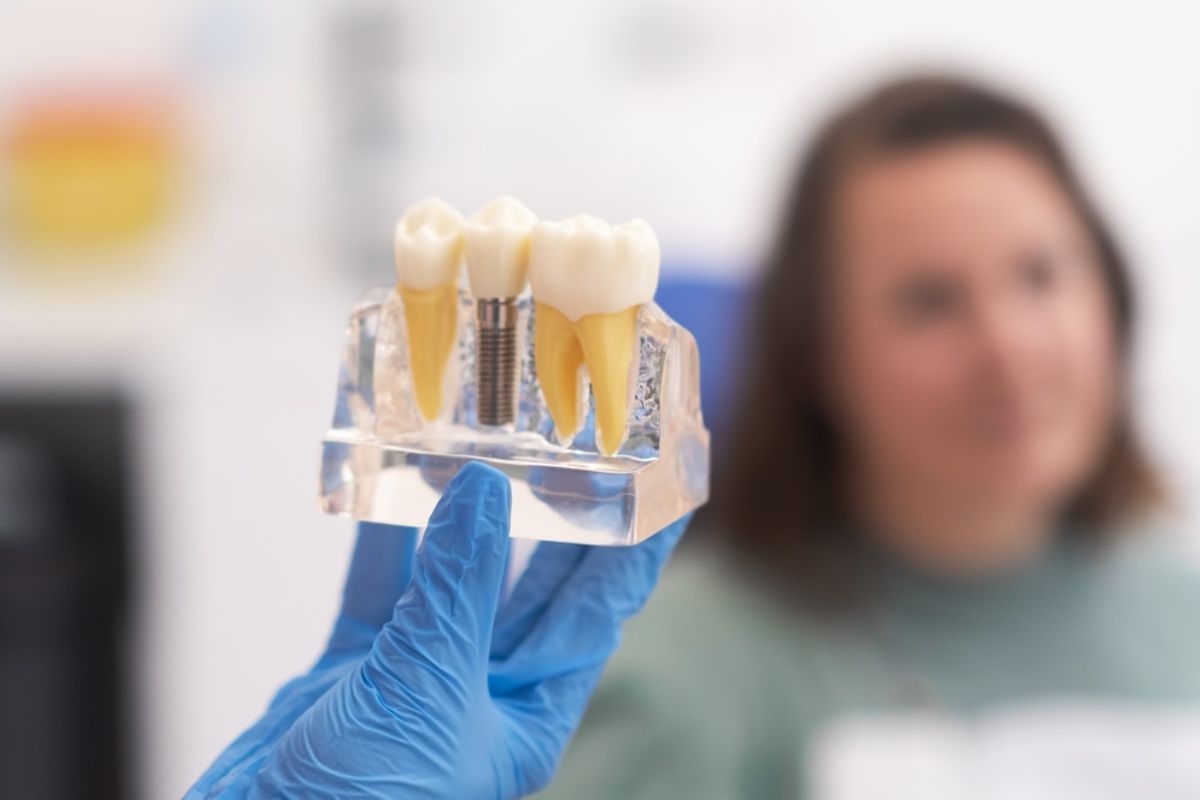
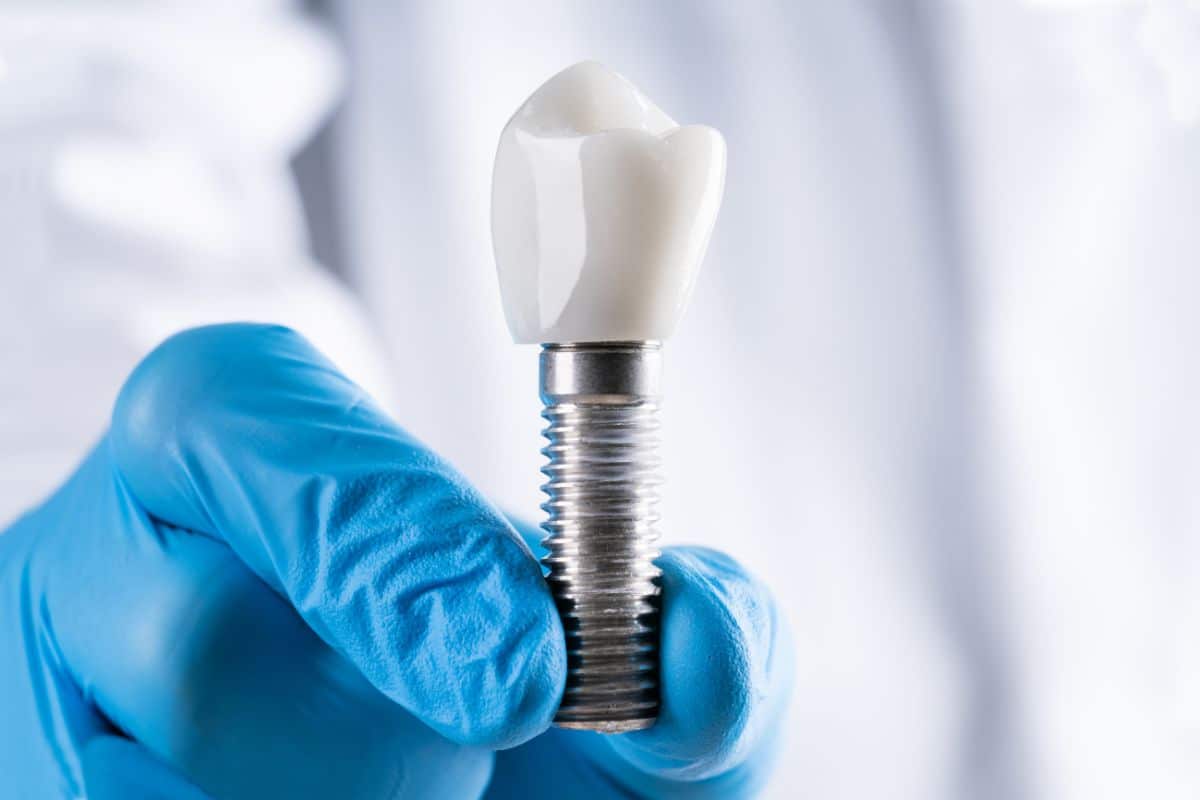
The maxillary cavity is separated by a thin membrane just above the upper jawbone. When a missing tooth is replaced, the artificial root must be carefully positioned into the bone beneath this area. Most patients have enough bone to hold the fixture securely.
Still, when bone loss occurs or the cavity expands with age, space becomes limited, increasing the chance of sinus-related complications if not carefully planned.
Patients considering dental implants benefit from advanced planning tools such as CBCT dental scans (cone-beam computed tomography).
These detailed images help clinicians precisely map the bone structure and measure the sinus floor. When additional support is needed, a sinus lift procedure safely raises the membrane and reinforces the area with bone material, creating a strong, reliable foundation for long-term success.
Why Sinus Problems May Occur In The First Place?
While sinusitis is uncommon, it can happen if an artificial root is positioned too close to the sinus cavity. This proximity may occasionally cause minor sinus pressure, nasal stuffiness, or inflammation shortly after placement. Fortunately, most of these symptoms are temporary and resolve with proper aftercare.
Common contributing factors include:
- Insufficient bone density before the procedure.
- Incorrect placement depth or angulation.
- Existing sinus infection or congestion.
- Ignoring post-surgical implant aftercare guidelines.
How To Prevent Sinusitis After Implant Placement?
With today’s diagnostic and surgical technology advancements, rhinosinusitis can be effectively prevented. Modern clinics use advanced 3D dental imaging and CBCT dental scans to plan treatment with remarkable precision, ensuring prosthetic teeth stay safely below the sinus membrane.
Additionally, bone grafting for implants or a sinus lift procedure may be performed to build bone support in the upper jaw before placement. These treatments create the proper foundation, maintaining healthy separation between the artificial root and sinus cavity.
Following your provider’s aftercare guidelines is equally important. Maintaining good hygiene, avoiding pressure on the site, and attending follow-up appointments help prevent rhinosinusitis after surgery and ensure smooth healing.
Recognizing Normal vs. Unusual Symptoms
Mild pressure, nasal sensitivity, or slight swelling after the procedure are normal and temporary. However, if symptoms such as prolonged nasal congestion, worsening discomfort, or fluid leakage occur, it is essential to consult your dental specialist promptly. Early care can resolve these issues quickly and prevent further complications.
Protect Your Sinus Health And Your New Smile
When performed with proper planning and modern technology, implant procedures are incredibly safe and have a high success rate, without affecting sinus health. The key lies in professional expertise, detailed diagnostics, and thorough aftercare.
If you have been delaying treatment for missing teeth, now is the time to act. For a safe and confident experience, visit our dental office for a personalized evaluation and discover if you are a candidate for long-lasting tooth replacement.
Ready To Restore Your Confidence?
Your comfort, safety, and lasting results come first. Our team uses advanced planning, precision technology, and a personalized approach to ensure every treatment feels secure and stress-free. Whether you are exploring tooth replacement for the first time or have questions about sinus health, we are here to guide you every step of the way. Book an appointment today and experience gentle, modern care designed around your needs and comfort.
Frequently Asked Questions (FAQs)
1. Can implants near the upper jaw cause sinus issues?
Yes! When artificial roots are placed too close to the sinus cavity, they may irritate the membrane. Most issues are minor and resolve with proper care.
2. What are the signs of a sinus problem after prosthetic teeth surgery?
After the procedure, look for persistent nasal congestion, cheek or jaw pressure, or unusual drainage. These may signal a complication rather than standard healing.
3. How long should I be concerned about sinus pain after implant treatment?
Mild discomfort usually subsides within a week or two. If symptoms persist beyond two weeks or worsen, consult your provider promptly.
4. Do I always need a sinus lift before artificial tooth root placement in the upper jaw?
Not always. The augmentation is required only when bone height or density is insufficient to anchor the fixture safely.
5. Can a sinus issue affect the long-term success of an implant?
Rarely, yes! Untreated sinus involvement or infection may compromise stability; however, success rates remain very high when well-planned and executed.