If you’ve been experiencing unexplained tooth discomfort, you might be wondering whether it’s more than just a dental issue. Many patients are surprised to learn that jaw problems can affect how their teeth feel. One common question people ask a dentist is: Can TMJ cause tooth sensitivity? The answer is yes: temporomandibular joint (TMJ) disorders can sometimes cause tooth pain and sensitivity.
Understanding how TMJ affects your oral health can help you seek the right dental care and find lasting relief.
What Is TMJ Disorder?
The temporomandibular joint (TMJ) connects your jawbone to your skull and allows you to speak, chew, and move your jaw comfortably. When this joint becomes inflamed or misaligned, it can lead to TMJ disorder (TMD), a condition your dentist can help diagnose and manage.
Common symptoms include jaw pain, clicking or popping sounds, headaches, earaches, and facial discomfort. However, many people don’t realize that TMJ can also impact their teeth.
Can TMJ Cause Tooth Sensitivity?
Yes, TMJ disorders can contribute to tooth sensitivity. While the condition doesn’t directly damage your teeth, it can create pressure and strain that affect how your teeth feel.
If you’ve been asking, can TMJ cause tooth sensitivity, it’s often due to the indirect effects TMJ has on your jaw muscles and bite alignment. When your jaw isn’t functioning properly, it can place uneven pressure on certain teeth, making them more sensitive to hot, cold, or pressure.
Can TMJ Cause Tooth Pain?
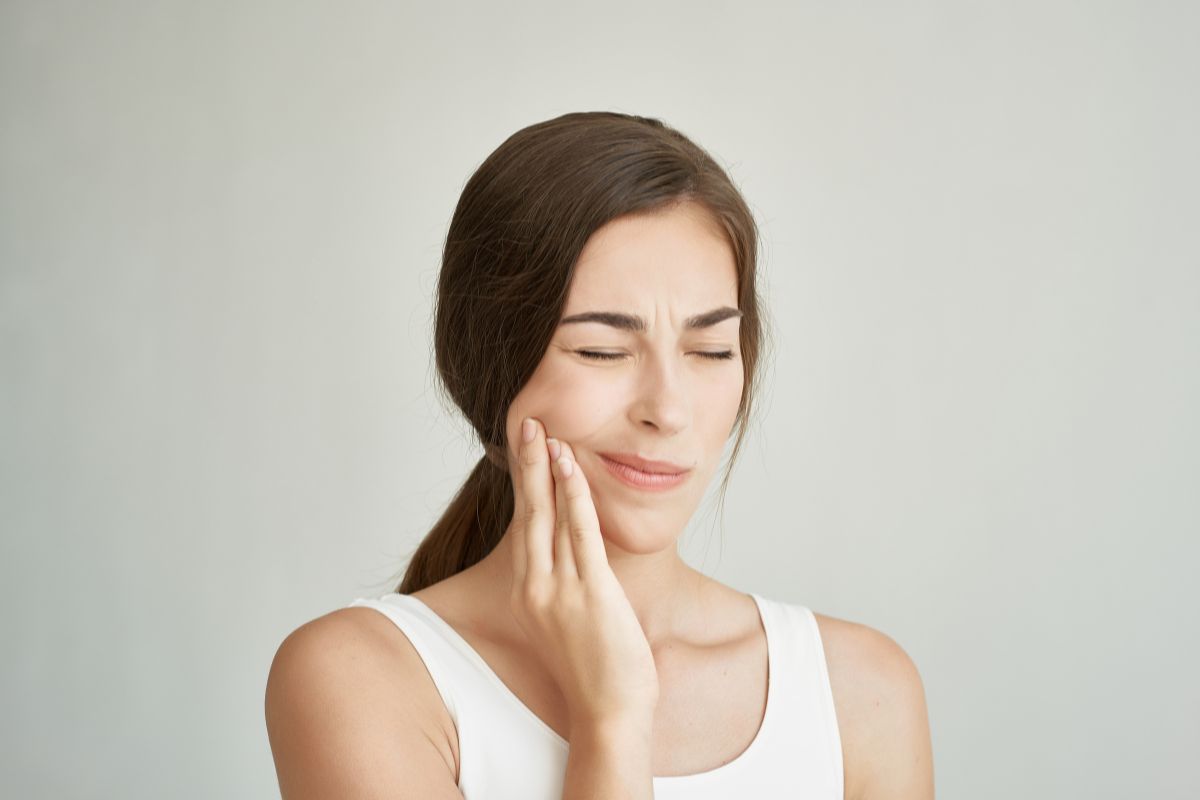
Another common concern is: does TMJ cause tooth pain? Or can TMJ make your teeth hurt? The answer is yes.
TMJ disorders can lead to referred pain, meaning discomfort originating in the jaw joint may feel like it’s coming from your teeth. This can make it difficult to tell whether you’re dealing with a cavity or a jaw issue.
Additionally, TMJ often leads to habits like teeth grinding (bruxism), especially at night. Grinding can wear down enamel and expose sensitive layers of the tooth, further increasing discomfort.
How TMJ Contributes to Tooth Sensitivity
TMJ-related tooth sensitivity usually develops due to several underlying factors. These include jaw tension, clenching, and misalignment.
When your jaw is out of balance, some teeth may absorb more force than others. Over time, this pressure can irritate the nerves inside the teeth, making them more reactive. Grinding and clenching also weaken enamel, which is essential for protecting your teeth from sensitivity.
In many cases, patients who ask if TMJ can cause tooth pain are actually experiencing a combination of jaw strain and enamel wear.
Signs Your Tooth Sensitivity May Be TMJ-Related
It’s not always easy to tell whether your discomfort is caused by a dental issue or TMJ. However, there are a few signs that may point toward TMJ as the source:
- Jaw soreness or stiffness, especially in the morning
- Clicking or popping sounds when opening your mouth
- Frequent headaches or ear pain
- Uneven or shifting bite
- Tooth pain without visible decay
If you notice these symptoms along with sensitivity, it’s a good idea to visit our dental office for a professional evaluation.
When to See a Dentist
Tooth sensitivity should never be ignored. Whether it’s caused by TMJ, cavities, or gum issues, early diagnosis is key to preventing further complications.
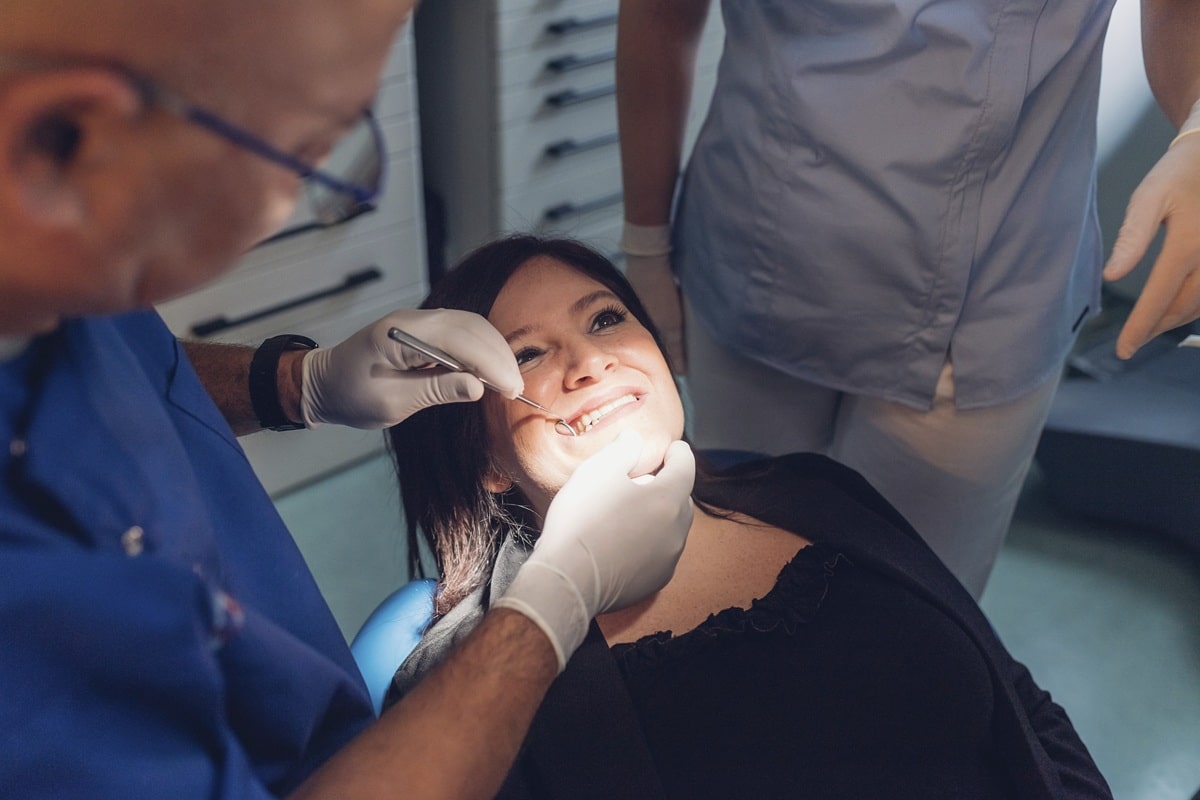
A dentist can examine your teeth, jaw alignment, and overall oral health to determine the root cause of your discomfort. If TMJ is contributing to your symptoms, personalized treatment can help relieve pressure on your jaw and protect your teeth.
Treatment Options for TMJ-Related Tooth Sensitivity
The right treatment depends on the severity of your TMJ condition and how it’s affecting your teeth. In many cases, a combination of therapies can provide relief.
Nightguards are often recommended to reduce grinding and clenching during sleep. This helps protect enamel and minimize sensitivity. Stress management techniques and jaw exercises can also improve TMJ symptoms over time.
In more advanced cases, your dentist may recommend bite adjustments or other dental care solutions to restore proper alignment and reduce pressure on your teeth.
Protecting Your Teeth and Jaw Health
Taking care of your jaw is just as important as maintaining healthy teeth. Simple habits like avoiding hard foods, practicing good posture, and managing stress can make a significant difference.
Regular dental visits also play a crucial role in catching early signs of TMJ and preventing long-term damage.
Conclusion
So, can TMJ cause tooth pain and sensitivity? Absolutely. While TMJ disorders don’t directly harm your teeth, they can create conditions that lead to discomfort, enamel wear, and increased sensitivity.
If you’ve been dealing with unexplained tooth pain or sensitivity, it’s important to get a proper diagnosis. Addressing TMJ early can help protect your smile and improve your overall comfort.
Schedule Your Visit at Signature Smiles
If you’re experiencing tooth sensitivity or jaw discomfort, the team at Signature Smiles is here to help. Our experienced dentist provides personalized dental care to identify the cause of your symptoms and recommend effective treatment.
Don’t let TMJ-related discomfort affect your daily life. Call us at 516-309-4032 or book an appointment to start your journey toward better oral health.
FAQs
1. Can TMJ cause tooth pain even without cavities?
Yes, TMJ disorders can cause referred pain that feels like a toothache, even when there is no decay or visible dental problem.
2. Can TMJ cause tooth sensitivity to hot and cold?
Yes, TMJ can lead to enamel wear from grinding and uneven pressure on teeth, making them more sensitive to temperature changes.
3. Can TMJ make your teeth hurt all the time?
TMJ-related tooth pain may come and go, but in some cases, chronic jaw tension and grinding can cause persistent discomfort.
4. How do I know if my tooth pain is from TMJ or a cavity?
A dentist can evaluate your symptoms with an exam and possibly X-rays to determine whether the pain is due to TMJ or a dental issue.
5. Does TMJ cause tooth pain on one side of the mouth?
Yes, TMJ pain is often localized and may affect one side more than the other, depending on how your jaw is misaligned.
6. What is the best treatment for TMJ-related tooth sensitivity?
Treatment may include nightguards, stress management, jaw exercises, and other dental care solutions to reduce pressure and protect your teeth.