Protect Your Smile With Wisdom Teeth Removal
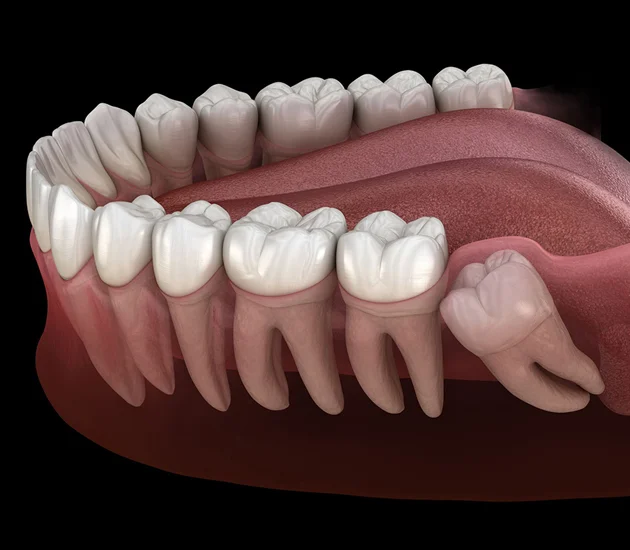
At some point, you may require a wisdom teeth extraction. It’s uncommon for individuals to have enough space in their mouths for all four wisdom teeth, leading to impaction. Impacted teeth can cause discomfort, shift neighboring teeth, and create pockets where food can get trapped, increasing the risk of infection and decay. This is why we often advise removal.
When you visit us at Signature Smiles, we will assess your condition, take X-rays, and help determine if and when extraction is necessary. To schedule an appointment, call us at 516-973-6958.
What is an Extraction?
An extraction is a dental procedure in which your wisdom teeth are carefully removed. The technique used will depend on the exact positioning of the teeth and whether they are impacted.
What to Expect During a Wisdom Teeth Extraction
The procedure begins with administering anesthesia to numb the area being treated. To help you feel more at ease, some dentists and oral surgeons may offer nitrous oxide, which can either help you relax or put you to sleep, ensuring you don’t remember the details of the procedure.
If your wisdom teeth have grown in straight, the removal process is relatively simple. In this case, your dentist can pull the teeth out with dental tools, and no surgery will be necessary. However, if the teeth are impacted, the procedure will require oral surgery. The gum tissue covering the impacted tooth will need to be opened to access the tooth. After numbing the area, your dentist or oral surgeon will create a small flap in the gum. If necessary, bone or muscle that is obstructing the tooth will be removed to clear a path for extraction.
Once the tooth is exposed, your dentist may be able to gently lift it out of the socket. If the tooth is stubborn, it may need to be broken into smaller pieces for easier removal.
After the tooth is completely extracted, the area will be carefully cleaned, and the gum flap will be repositioned and stitched back into place. To control bleeding, the dentist will place gauze over the extraction site.
Essential Aftercare Steps Following Wisdom Teeth Removal
After your wisdom teeth extraction, you will remain at the dental office until the anesthesia wears off. During this time, your dentist will monitor you to ensure bleeding slows and the gauze is effective. Once everything stabilizes, you can head home, but make sure you have someone to drive you, as you won’t be able to drive yourself.
At Signature Smiles, we advise patients to plan ahead for recovery. Prepare your resting space with plenty of pillows to elevate your head and stock your nightstand with essentials like water, extra gauze, ibuprofen, and entertainment such as books or movies. Expect to take it easy for the next 48 hours. During this time, stick to soft foods like popsicles, ice cream, yogurt, warm soups, and Jell-O, as your mouth will be too sore for anything harder to chew.
To reduce swelling, apply ice to your face for 15-minute intervals and take ibuprofen regularly for the first 24 to 48 hours. After that, you may still need pain relief but can discontinue icing.
As you heal, slowly reintroduce solid foods into your diet, starting with soft, easy-to-chew options. Take your time and avoid rushing the process. It may take up to two weeks to fully recover, so during this period, steer clear of hard foods like nuts and chips, which could irritate your gums.
Be sure to schedule a follow-up appointment with the dentist who performed the extraction. This visit will ensure proper healing, and you'll receive the green light to return to normal eating habits.
How Long is Recovery After Wisdom Teeth Removal?
The first 48 hours after your wisdom teeth extraction are the most critical, as this is when you may experience bleeding, pressure, and swelling. After this initial period, full recovery can take anywhere from one to two weeks. The exact duration of your recovery will depend on the complexity of the procedure, including whether or not your extraction involved surgery.
How to Prevent Infection After Wisdom Teeth Extraction
As dental professionals, we are always mindful of the risk of infection following a tooth extraction, whether it’s for wisdom teeth or any other procedure. The surgical site is vulnerable to bacteria, which can lead to infection if not properly managed. To prevent this, it’s important to rinse your mouth gently with warm saltwater to help keep the area clean. Brushing your teeth is still crucial, but you should be cautious and avoid disturbing the surgical site. In some cases, your dentist may also recommend an antibiotic mouth rinse to further reduce the risk of infection.
When is Wisdom Teeth Extraction Recommended?
At Signature Smiles, we recognize that every patient’s dental needs are unique. Whether or not you need to have your wisdom teeth removed depends largely on the space available in your mouth. If there’s enough room for all of your teeth, including your third molars, they can remain in place without any issues. There’s no need to remove healthy teeth that grow in properly. However, if your wisdom teeth are impacted, removal becomes necessary, as they can negatively affect the alignment of other teeth, damage roots, and increase the risk of infections.
To determine whether your wisdom teeth need to be extracted, the best course of action is to schedule a consultation with us. Call 516-973-6958 to book your appointment, and we’ll help you make an informed decision while addressing any concerns you may have about the procedure.