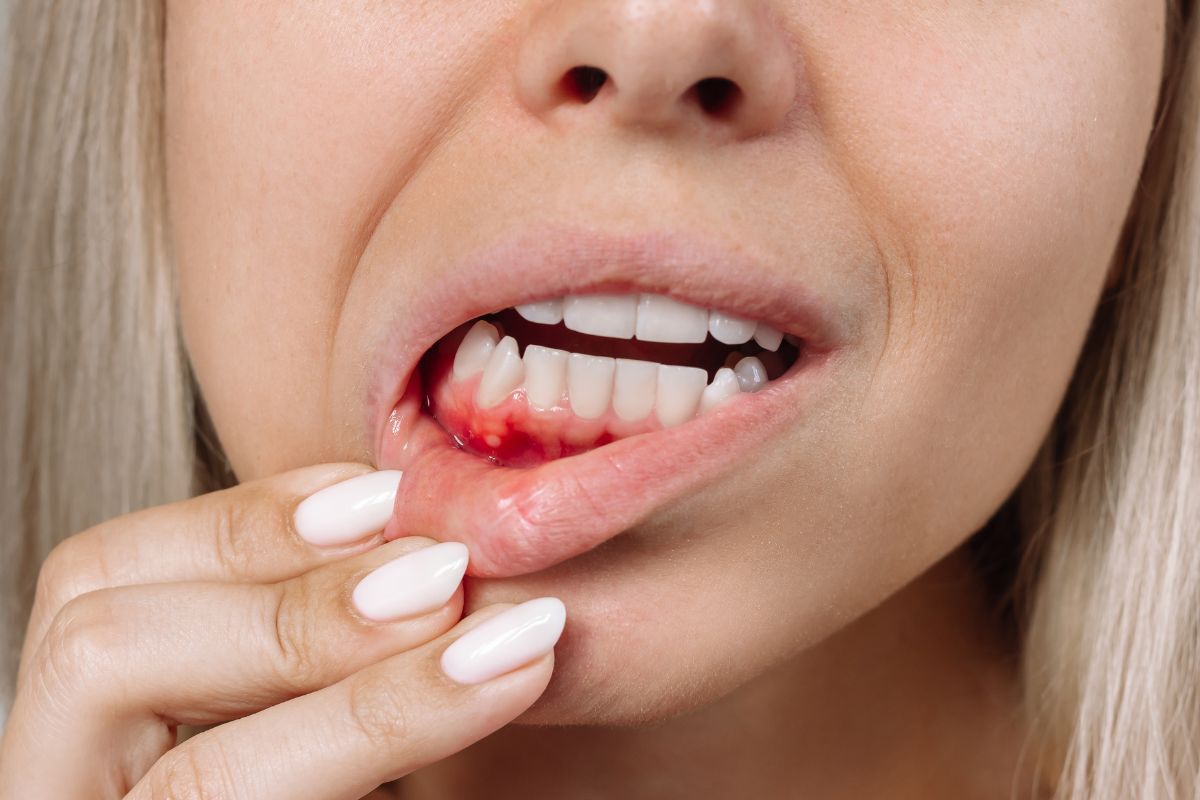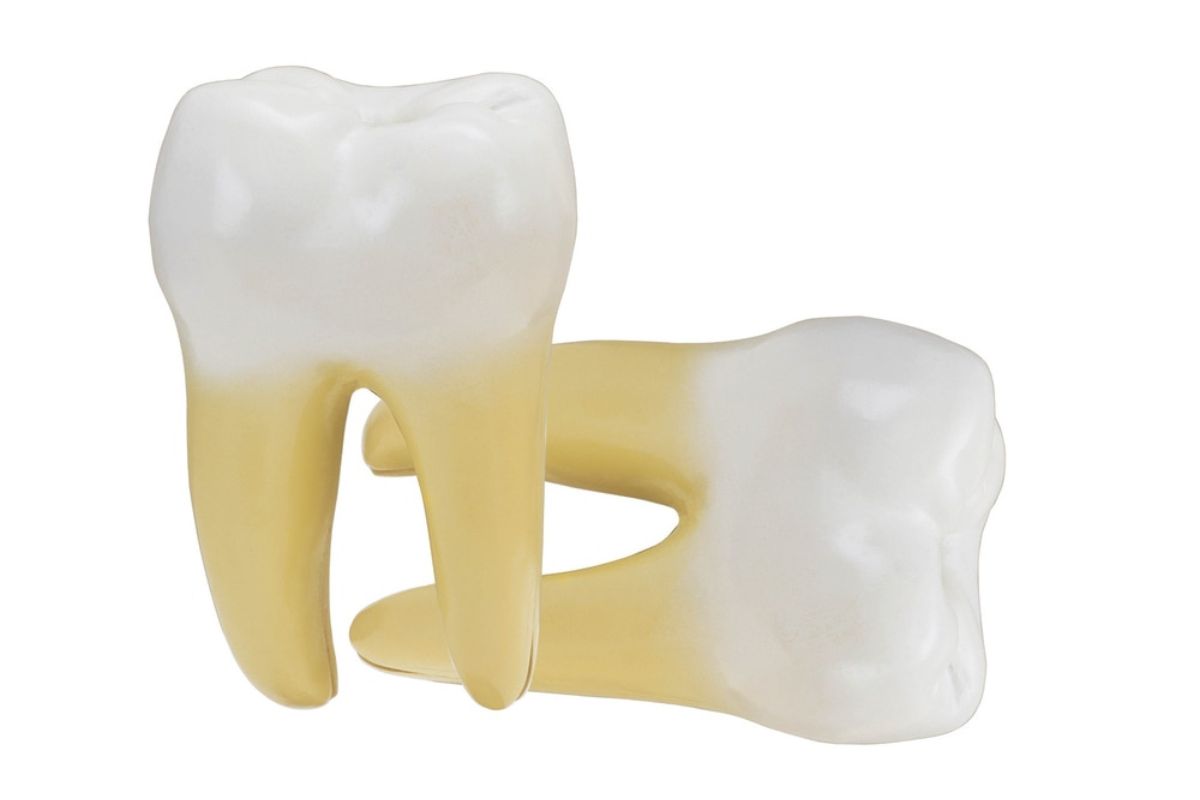
That first question comes up almost immediately after surgery: “When can I actually eat again?” After wisdom teeth removal, even a meal can feel confusing. You’re dealing with soreness, swelling, and a long list of do’s and don’ts! So it’s completely normal to feel unsure about what’s safe. And more importantly, what happens if you eat too soon? The answer is not what most people expect. Getting it wrong can cost you days of extra pain, a dry socket, or even a delayed healing process that throws off your whole schedule.
Whether you just left a dentist appointment or you are preparing ahead of time, this guide will walk you through exactly when you can start eating. You’ll also learn what foods are safe at each stage and how to protect your healing mouth, so you can recover smoothly and get back to normal as quickly as possible.
So, Can You Really Eat Right After The Procedure?
Not! For the first 24 hours after wisdom tooth extractions, your mouth is at its most vulnerable. Blood clots are forming in the empty sockets, and they are doing critically important work. They protect exposed bone and nerve endings. They are the foundation of your entire recovery.
During this phase, rely on cold, soft, non-disruptive foods. Consider yogurt, applesauce, smoothies, and cold soups. Nothing warm, nothing chewy, and absolutely nothing with a straw. The suction from a straw can dislodge a blood clot in seconds and trigger dry socket, one of the most painful complications in all of dental care.
What Does Your Eating Timeline Actually Look Like?
Here is a simple breakdown from a dentist of what to eat and when.
Days 1 And 2: Liquids And Ultra-Soft Foods Only
- Cold smoothies without seeds, but you can blend your favorite fruits.
- Plain yogurt or Greek yogurt with no granola.
- Applesauce and mashed bananas.
- Lukewarm broth, not hot.
- Ice cream, yes, your oral surgeon is permitting you.
Avoid anything acidic, like orange juice, which can irritate the socket tissue. Room temperature or cold is your best friend right now.
Days 3 And 4: Graduating To Soft Solids
By day three, if swelling has started to reduce and you feel less tender, you can introduce slightly more texture. Scrambled eggs, soft oatmeal, mashed potatoes, hummus, and well-cooked pasta are all reasonable choices. Still avoid biting down on anything firm. Chew only on the opposite side of the mouth from the surgery site.
Days 5 Through 7: Semi-Normal Eating Returns
Most patients begin eating semi-normal foods around day five. Soft sandwiches, ripe avocado, cooked fish, and well-softened rice are manageable for many people. Continue chewing carefully and avoid anything with small particles that could lodge in the socket, such as seeds, undercooked rice, or popcorn.
When Can You Go Back To Eating Normally?
Full recovery after removing a third molar usually takes 7 to 14 days. However, this depends on how many teeth were removed, the complexity of the procedure, and how diligently you follow post-op instructions. Most families who follow a careful recovery plan are back to enjoying their regular meals within ten days. Nonetheless, you should refrain from chewing on hard, crunchy, or chewy foods like raw carrots, steak, and crusty bread for 2 weeks for safety.
What Foods Should You Never Eat After Surgery?
Good dental care after your tooth removal means knowing what to avoid just as much as knowing what to eat. Here are the foods that cause the most complications:
- Chips, crackers, and pretzels: sharp edges can tear healing tissue.
- Spicy foods cause irritation and increase discomfort.
- Alcohol thins blood and slows clot formation.
- Nuts and seeds have tiny pieces that lodge in sockets and cause infection.
- Chewy candy or gum: pulls directly on healing tissue.
- Carbonated drinks: bubbles disturb blood clots.
Even sparkling water carries risk in the first 48 hours. Stick to still water and let your body focus entirely on healing.
Are There Any Nutrition Tips That Speed Up Healing?
Yes, and most people overlook this entirely. Zinc, vitamin C, and protein are the three most important nutrients for post-surgical tissue repair. Soft eggs provide protein. Blended spinach or kale adds vitamin C without requiring any chewing. Pumpkin seeds, once you are past day ten, offer zinc in a manageable form. Staying hydrated with plain water throughout the day also keeps the healing tissue moist and reduces the risk of infection.
What If Your Jaw Is Still Sore After A Week?
Persistent soreness beyond seven days is not unusual, especially for patients who have had impacted teeth removed. However, if the pain is getting worse rather than better, or if you notice a foul smell or taste, those are signs of possible complications. Connecting with a local oral care provider early after any dental treatment is always the smarter move. Waiting it out with painful symptoms can turn a minor issue into a much longer recovery.
Personalized Care That Continues After Your Teeth Removal Procedure
Recovery after wisdom teeth extraction does not have to feel overwhelming. When you know exactly what to eat, when to eat it, and what warning signs to watch for, healing becomes manageable with confidence at home.
At Signature Smiles, we do not just complete your procedure and send you home with a pamphlet. Our team walks you through every step of recovery in detail, so there are no surprises and no unnecessary setbacks. We encourage you to visit our dental office any time you have questions or concerns about your healing, because your comfort matters to us long after you leave the chair. If you or someone in your family is preparing for an upcoming tooth extraction, book an appointment with us in Great Neck today. Let our trained team give you the personalized care plan you deserve from the very start.
Frequently Asked Questions
1. When can normal eating resume after wisdom teeth removal?
Most individuals gradually return to normal eating within about a week as discomfort decreases. Recovery speed depends on healing progress, since chewing too early can irritate the surgical site.
2. What foods should be eaten in the first few days after wisdom teeth extraction?
Soft and liquid foods are recommended during the first 24 to 48 hours to avoid strain on the surgical area. Options like yogurt, applesauce, and smoothies reduce irritation and support healing.
3. Why is chewing restricted after removing a wisdom tooth?
Chewing places pressure on the healing area and can disturb the protective blood clot. Disruption of this clot may delay healing and increase the risk of complications such as dry socket.
4. How long should hard or crunchy foods be avoided after extracting your third molars?
Hard or crunchy foods are usually avoided for at least a week to prevent reopening the surgical site. These foods can become trapped in the area and interfere with proper healing.
5. What happens if solid food is eaten too soon after tooth extraction surgery?
Eating solid food too early can dislodge the blood clot, exposing underlying bone and nerves. This may lead to increased pain, delayed healing, and potential complications during recovery.