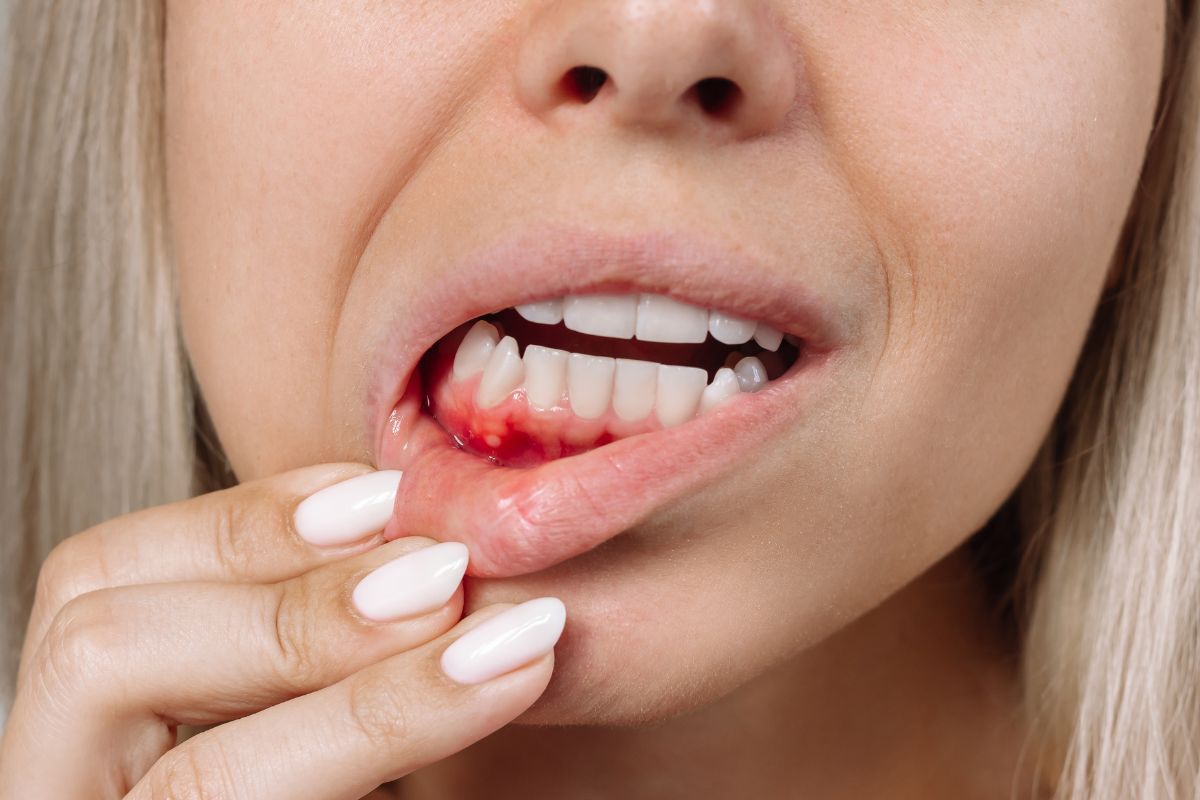
It’s common for people to notice some bleeding from their gums from time to time, but how much bleeding is too much? While occasional gum bleeding might not raise concern, it could also indicate a deeper issue, especially if it happens frequently. Understanding what causes this problem and when it’s time to seek professional care is crucial in maintaining good dental care and overall oral health.
Is Occasional Gum Bleeding Normal?
It’s not uncommon for gums to bleed, especially if you’re just starting to floss regularly. In many cases, gum bleeding causes include irritation from brushing too hard or flossing aggressively. When this happens, it’s usually temporary and resolves on its own.
However, if the condition persists or happens frequently, it may indicate gum disease or another underlying issue.
For families in Great Neck and the surrounding areas, spring has arrived, bringing with it an increase in outdoor activities like the Festival of Song USA. However, it’s crucial to maintain healthy gums during this season, as exposure to allergens and environmental irritants can cause gum irritation.
What Causes Gum Bleeding?
There are many reasons for your gums to bleed, and not all of them are related to an issue. If it becomes frequent, it’s time to consider a dentist for gum problems.
- Brushing Too Hard: Using a hard-bristled toothbrush or brushing with excessive force can irritate the gums and cause them to bleed.
- Flossing Improperly: Aggressive flossing can damage the sensitive gum tissue, especially if it’s done too quickly or with too much force.
- Periodontal Disease: If your gums bleed frequently or for no apparent reason. Instead, gingivitis or periodontitis could be to blame. These conditions result from plaque buildup around the gums, which can cause inflammation and infection.
- Medications: Certain medications, such as blood thinners, can increase the risk of your condition.
- Vitamin Deficiencies: Lack of vitamins, especially Vitamin C, can affect your periodontal health and contribute to gum bleeding.
How To Identify The Early Signs Of Periodontal Disease?
This oral condition can often go unnoticed, as the early signs are subtle. However, identifying the early signs of gum disease can help you take action before it leads to serious issues like tooth loss. Some early symptoms to watch for include:
- Gums that bleed when brushing or flossing.
- Swollen or red gums.
- Bad breath or a bad taste in your mouth.
- Tender gums that are painful when touched.
- Receding gums or teeth appearing longer than before.
If you notice any of these symptoms, it’s important to take action quickly. Visit a dental care provider in Great Neck near you to address the issue early and relieve the discomfort.
How To Prevent Bleeding Gums?
The best way to prevent this condition is through regular oral care and proper oral hygiene. Here are a few tips to keep your teeth and gums healthy:
- Brush Gently: Use a soft-bristled toothbrush and brush gently in circular motions to avoid irritation.
- Floss Regularly: Flossing helps remove plaque between teeth, which can prevent gum inflammation.
- Use an antibacterial mouthwash: it can help reduce plaque and gum inflammation.
- Eat A Balanced Diet: Ensure you’re getting the nutrients your gums need, including vitamin C and calcium.
Preventing periodontal infection starts with daily care. However, regular visits to a local dental practitioner for professional cleanings and checkups are also vital for maintaining your oral wellness.
When Should You Visit A Dentist For Gum Problems?
If your gums bleed regularly, it’s important to visit a dentist to identify any underlying issues. Thus, it’s time to schedule a visit if:
- Persistent gum bleeding that doesn’t stop after brushing or flossing.
- Gum recession, or your gums pulling away from the teeth.
- Painful gums that are swollen, red, or tender.
- Bad breath or an unpleasant taste that doesn’t go away.
A local oral healthcare provider will conduct a thorough examination and, if an advancement is detected, they will develop a treatment plan.
What Are The Treatment Options For Gum Infections?
When you visit our dental office, expect these treatments for relief:
- Professional Cleaning: A thorough cleaning to remove plaque and tartar buildup.
- Scaling and Root Planing: This deep-cleaning procedure removes tartar from below the gumline and smooths the roots of your teeth to help gums reattach.
- Antibiotics: In some cases, antibiotics may be prescribed to treat gingival infections.
Act Early To Protect Your Gums And Teeth
Ignoring persistent gum bleeding can lead to serious oral health complications over time. Addressing the issue promptly with professional care can help prevent further damage to your gums and teeth. At Signature Smiles, we are dedicated to providing effective treatments that preserve your oral health for the long term. Early intervention is key to maintaining a bright, confident smile. Schedule an appointment today at our Great Neck office to ensure your gums and teeth remain in optimal condition. Prioritize your oral health and prevent complications before they arise.
Frequently Asked Questions
Q. Why do my gums hurt after flossing?
Gum pain after flossing could be due to inflammation or improper technique. It’s important to floss gently and consistently to avoid damaging sensitive gum tissue and causing discomfort.
Q. How do I know if I have gum disease?
Signs of gum infection include swollen, bleeding gums, bad breath, and receding gums. If these symptoms persist, it’s vital to seek professional care to prevent further oral health complications.
Q. Can gum disease go away on its own?
Periodontal disease does not resolve on its own without treatment. Early stages can be managed with proper oral hygiene, but advanced stages require proper oral intervention to prevent further damage.
Q. How can I stop my gums from bleeding when I brush?
Bleeding gums may result from a gum disorder or brushing too aggressively. Switch to a soft-bristled toothbrush and be gentle when brushing, while maintaining regular dental checkups to address underlying issues.
Q. Is it safe to use mouthwash with an existing periodontal concern?
Mouthwash can help reduce bacteria, but it’s important to choose one with antimicrobial properties. However, mouthwash should complement professional treatments and not replace proper oral hygiene or periodic oral checkups.