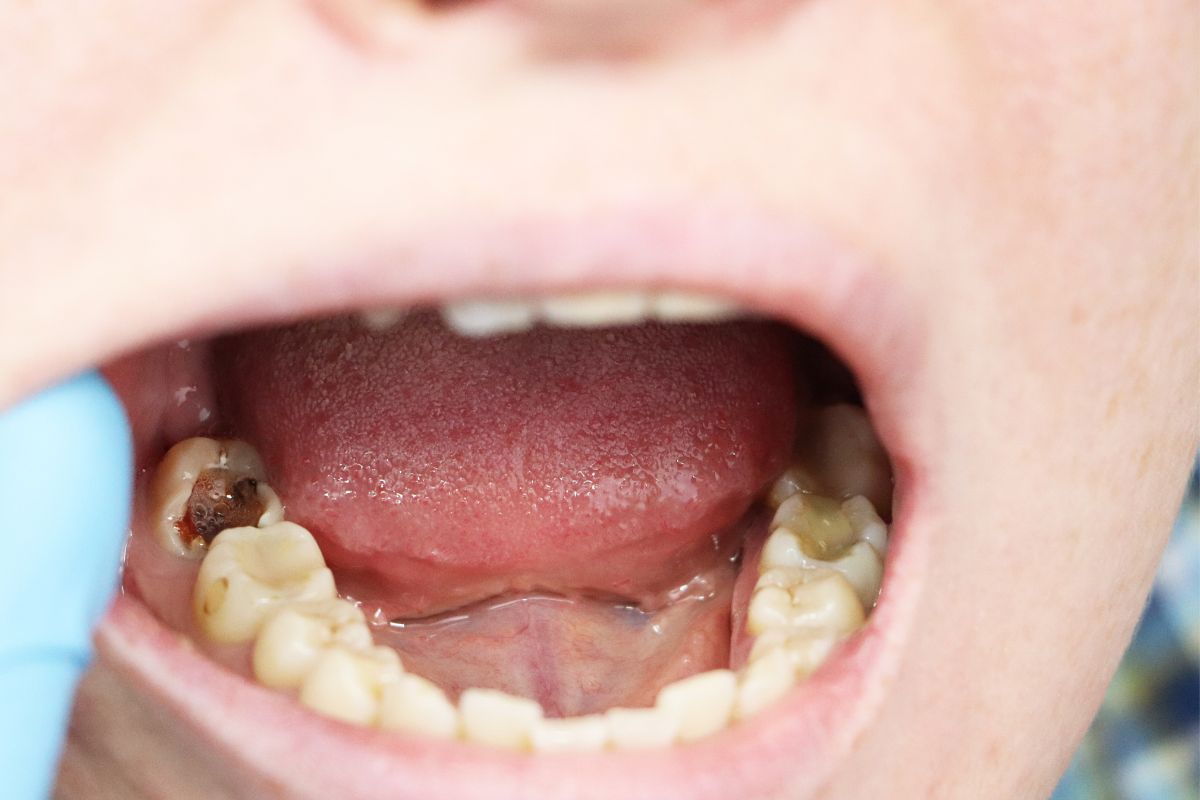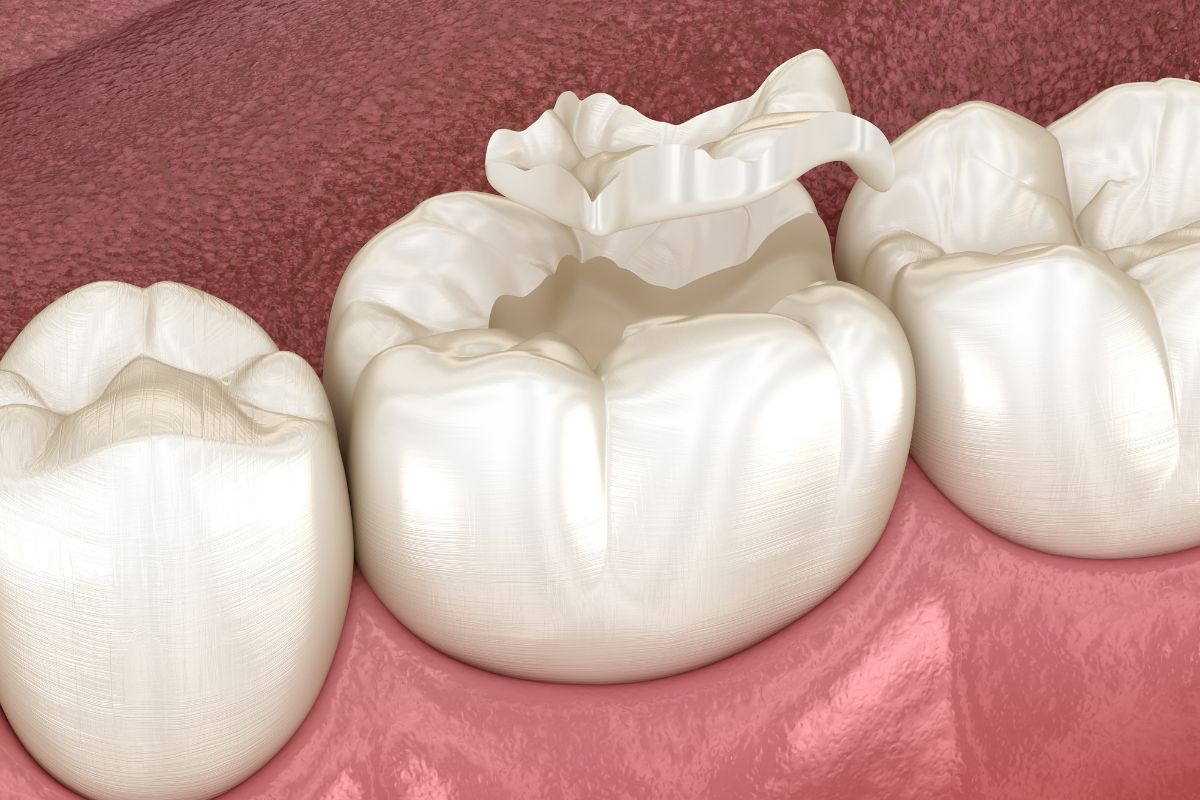
There is rarely a good time for a dental emergency, but losing a filling or a crown has a special way of happening at the absolute worst possible moment. Picture this: you’re sitting down to enjoy a weekend brunch, biting into a crusty piece of sourdough, and suddenly, you feel a hard, unexpected object in your mouth. You run your tongue across your teeth, only to discover a rough, hollow space where a sturdy molar used to be.
Panic sets in. Is it a piece of food? No, it’s my filling. Wait, is that my entire crown?
Before your mind races to worst-case scenarios, take a deep breath. Losing a filling or a crown is a very common dental mishap. While it does require prompt professional attention, knowing what to do right away can save you from pain, protect your exposed tooth structure, and keep you calm until you can get to a dental office.
Why Do Fillings and Crowns Fall Out?
Before looking at your immediate action plan, it helps to understand why this happened in the first place. Dental restorations are durable, but they aren’t invincible.
- Wear and Tear: Over years of chewing, grinding, and biting, the bonding agents holding a filling or crown in place can weaken.
- New Decay: Sometimes, bacteria manage to creep underneath an existing filling or crown, eroding the natural tooth structure supporting it and causing the restoration to pop loose.
- Hard or Sticky Foods: Biting down on ice, hard candies, caramel, or sticky taffy creates a suction or pressure force that can easily pull a restoration right off.
- Teeth Grinding (Bruxism): Chronic nighttime grinding exerts immense pressure on your teeth, frequently fracturing fillings or loosening crowns.
Regardless of the cause, once a restoration is gone, the underlying dentin or nerve endings are left vulnerable to air, temperature changes, and bacteria.
Step-by-Step: What to Do Immediately
When a filling or crown goes missing, your primary goal is damage control. Follow these steps to manage the situation safely before your professional evaluation.
1. Locate and Save the Crown (If Possible)
If you lost a crown and caught it before swallowing it, inspect it. If it is mostly intact and your underlying tooth isn’t severely fractured, your dentist may be able to clean it and cement the same crown back into place.
- Gently rinse the crown with warm water.
- Store it in a clean, dry container or a small baggie.
- Note: Never try to glue a crown back on using household superglue, Elmer’s glue, or nail polish. These substances are toxic and will permanently ruin both the crown and your tooth.
2. Assess the Pain and Sensitivity
Take a moment to check how your mouth feels. Is there a sharp, shooting pain, or is it just a bit sensitive to cold water and air? If the nerve is exposed, the area may ache. Avoid chewing on that side of your mouth entirely to prevent further chipping or trauma to the remaining tooth structure.
3. Keep the Area Clean
Good oral hygiene is more important than ever when you have an open tooth. Gently rinse your mouth with warm salt water (about half a teaspoon of salt in a cup of warm water) after meals. This helps wash away trapped food particles, reduces bacteria, and soothes irritated gum tissue around the site.
4. Use Temporary Dental Cement as a Buffer
If your tooth is sensitive or sharp edges are cutting into your tongue and cheek, you can visit your local pharmacy. Look for an over-the-counter temporary dental cement or filling material (often sold in dental emergency kits).
- Follow the package instructions carefully to place a small amount over the exposed area.
- This acts as a protective cap to keep air and food out until you can get professional help. Remember, this is strictly a temporary band-aid—it is not a substitute for proper dental care.
What NOT to Do When You Lose a Restoration
In moments of distress, people often resort to old wives’ tales or risky DIY fixes. Make sure you avoid these common pitfalls:
- Don’t ignore it just because it doesn’t hurt: Even if you feel zero pain, the protective seal is broken. Without a filling or crown, bacteria can rapidly invade the tooth, leading to a painful abscess, infection, or a situation that requires a root canal instead of a simple replacement.
- Don’t pick at or probe the area: It’s tempting to poke around with your tongue, a toothpick, or a cotton swab, but this can introduce bacteria or damage the fragile remaining tooth structure.
- Don’t chew hard or sugary foods: Keep sticky candies, crunchy snacks, and sugary drinks away from the affected side to prevent decay and further breakage.
When Is It a True Dental Emergency?
While a lost filling or crown is certainly an inconvenience, most instances can wait a day or two for a scheduled appointment. However, you should seek immediate, same-day emergency care if:
- You are experiencing severe, throbbing, or unmanageable pain.
- Your face or gum tissue is visibly swelling.
- You have a fever or notice a foul-tasting discharge (signs of an active infection).
- The underlying tooth has fractured significantly below the gumline.
What to Expect at the Dentist
Heading to the clinic can feel intimidating when you’re dealing with a broken tooth, but a professional evaluation is straightforward and designed to bring you immediate relief.
When you arrive, your dental team will thoroughly examine the area, take digital X-rays to check the health of the tooth root, and determine the best course of action. Depending on the extent of the damage, treatment options may include:
- For a minor lost filling: Cleaning out any new decay and placing a fresh composite or porcelain filling.
- For a lost crown: Taking a precise impression to fabricate a custom-fit, durable new crown, or re-cementing the old one if it is structurally sound.
- For extensive damage: Discussing restorative options like a core buildup or root canal therapy if the pulp was compromised.
Protect Your Smile Today
A lost filling or crown can disrupt your day, but it doesn’t have to ruin your week. By keeping the area clean, avoiding hard foods, and acting quickly, you can protect your oral health until you get professional help.
Don’t wait for minor sensitivity to turn into a major dental emergency. If you’ve lost a filling or crown, expert help is just a phone call away. Book an appointment with Signature Smiles today, and let our compassionate team restore your comfort, function, and confidence!
Frequently Asked Questions
1. Can I leave a lost filling alone if it doesn’t hurt?
No. Even without pain, the vulnerable inner layers of your tooth are exposed to bacteria. Leaving it untreated invites decay, structural weakening, and potential infections that will require much more intensive treatments down the road.
2. How long can I wait before seeing a dentist?
Ideally, you should schedule an appointment within 24 to 48 hours. The sooner a professional evaluates the tooth, the easier and less costly the fix will be.
3. Can I eat with a temporary dental cement patch?
It is best to avoid eating on that side of your mouth entirely until a professional has permanently repaired the tooth. Temporary cements are soft and designed to be easily removed by your dental provider.