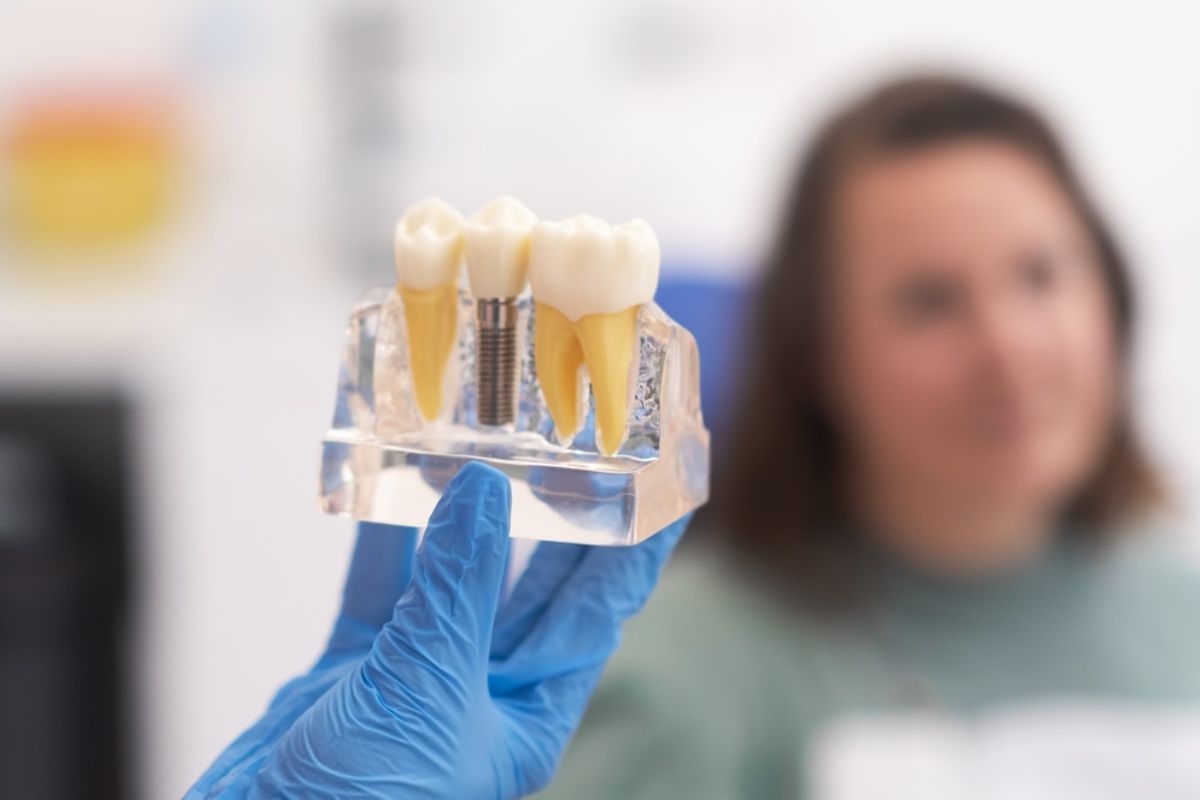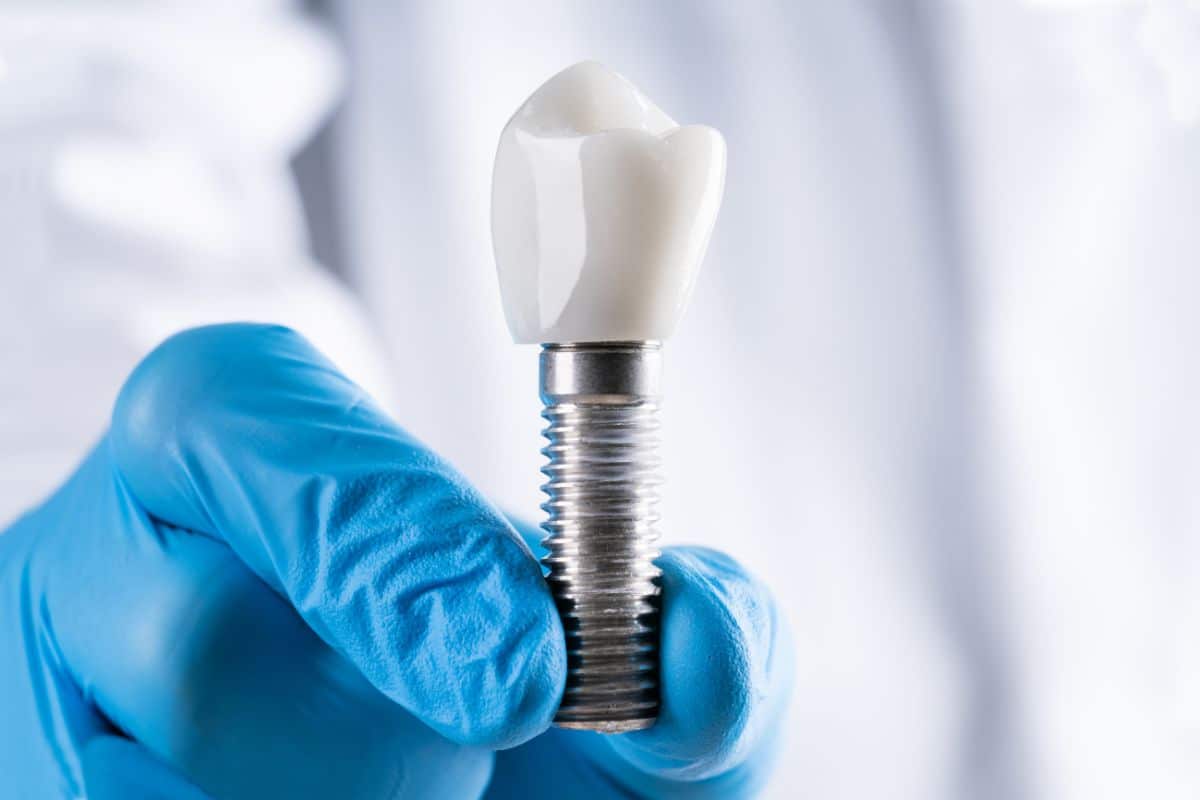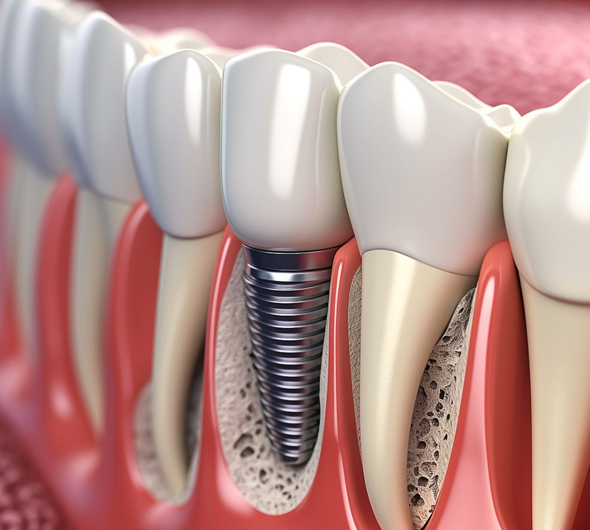
Dental implants are a durable, effective solution for replacing missing teeth, offering benefits in function and appearance. However, to ensure the success and longevity of your dental restorations, it’s crucial to avoid certain habits that can cause harm. Residents benefit from advanced dental care, and knowing how to protect them is key to maintaining their new smile. In this blog, we will discuss the habits that can damage these restorations and how to safeguard them for long-term success.
Protecting Your Dental Implants from Harmful Habits
When you invest in dental restorations, you expect them to provide years of reliable service. However, certain habits can put unnecessary stress on your new teeth, leading to complications. By following these guidelines, you can avoid problems and keep your dental implants intact:
1. Avoiding Hard Foods and Objects
Chewing on hard foods or objects can be harmful to your teeth. While these permanent replacements are strong, they are not immune to damage from excessive force. Avoid chewing on ice, hard candy, or even pen caps. Doing so can cause them to crack or even become dislodged, which may require costly repairs or replacements.
2. Preventing Teeth Grinding (Bruxism)
Many people unknowingly grind their teeth, especially at night. This condition, known as bruxism, can be detrimental to your dental restorations. Grinding can put excessive pressure on them, leading to wear and tear. It may also cause discomfort in your jaw or other oral issues. Wearing a nightguard, especially for those who live in this city, is a proactive step to protect their restoration. So do not wait any longer and book an appointment with us to get your custom-made night guard.
3. Smoking and Tobacco Use
Smoking is one of the most damaging habits to dental health, especially when it comes to prosthetic teeth. Nicotine can slow down the healing process and impair its ability to integrate with the bone. Furthermore, tobacco use can lead to gum disease and infection, which can jeopardize the stability of your restoration. It’s always advisable to refrain from smoking or using tobacco products to maintain one’s health.
4. Poor Oral Hygiene
Even though dental restorations cannot develop cavities, poor oral hygiene can lead to gum disease, which can damage the surrounding bone and tissues. It’s essential to follow a strict oral care routine that includes brushing twice a day, flossing regularly, and using mouthwash. Regular checkups with your implant dentist are also important to ensure that everything is in good condition. The residents are fortunate to have access to dental professionals who can provide the best care to keep them healthy.
5. Neglecting Regular Dental Visits
After getting those prosthetic teeth, many people think their work is done, but regular visits to your dentist are crucial for long-term success. During these visits, your dentist will check for any signs of infection, gum issues, or potential complications that might affect those restorations. In Great Neck, keeping up with these appointments ensures that they continue to function properly and stay secure.
Key Practices to Avoid Damage to Dental Implants
Here is what you should maintain:
- Avoid biting down on hard objects like ice or pens.
- Use a nightguard if you grind your teeth.
- Quit smoking or using tobacco products to promote healing.
- Maintain good oral hygiene with regular brushing and flossing.
- Visit our dental office regularly to check for issues.
Keeping Your Dental Implants Safe
Taking care of your dental restorations is vital for their success and longevity. Avoid harmful habits like teeth grinding, smoking, or biting hard objects to protect them and enjoy your new smile for years. To ensure the health of your prosthetic teeth, it’s always a good idea to visit your dentist regularly.
If you have any concerns or need expert advice, Signature Smiles is here to help. Book a consultation with our team to ensure your implants are properly cared for and functioning as they should.
Frequently Asked Questions
1. Can I eat whatever I want after getting dental implants?
While your dental restorations are strong, it’s best to avoid chewing on hard foods like ice or nuts. These can cause damage. Stick to softer foods during the initial healing period to ensure they stay intact.
2. How do I know if my dental implants are in trouble?
If you notice pain, swelling, or difficulty chewing, it could be a sign that they are at risk. Consult your dentist immediately to prevent further damage and to ensure everything is healing properly.
3. Do I need to avoid brushing my implants?
No, you should continue brushing your restoration like your natural teeth. However, make sure to use a soft-bristled toothbrush and avoid abrasive toothpaste that could scratch the surface.
4. Is smoking really that bad for dental implants?
Yes, smoking hinders the healing process and increases the risk of infection. It’s best to avoid smoking to ensure your dental restoration integrates well with the jawbone and remains stable.