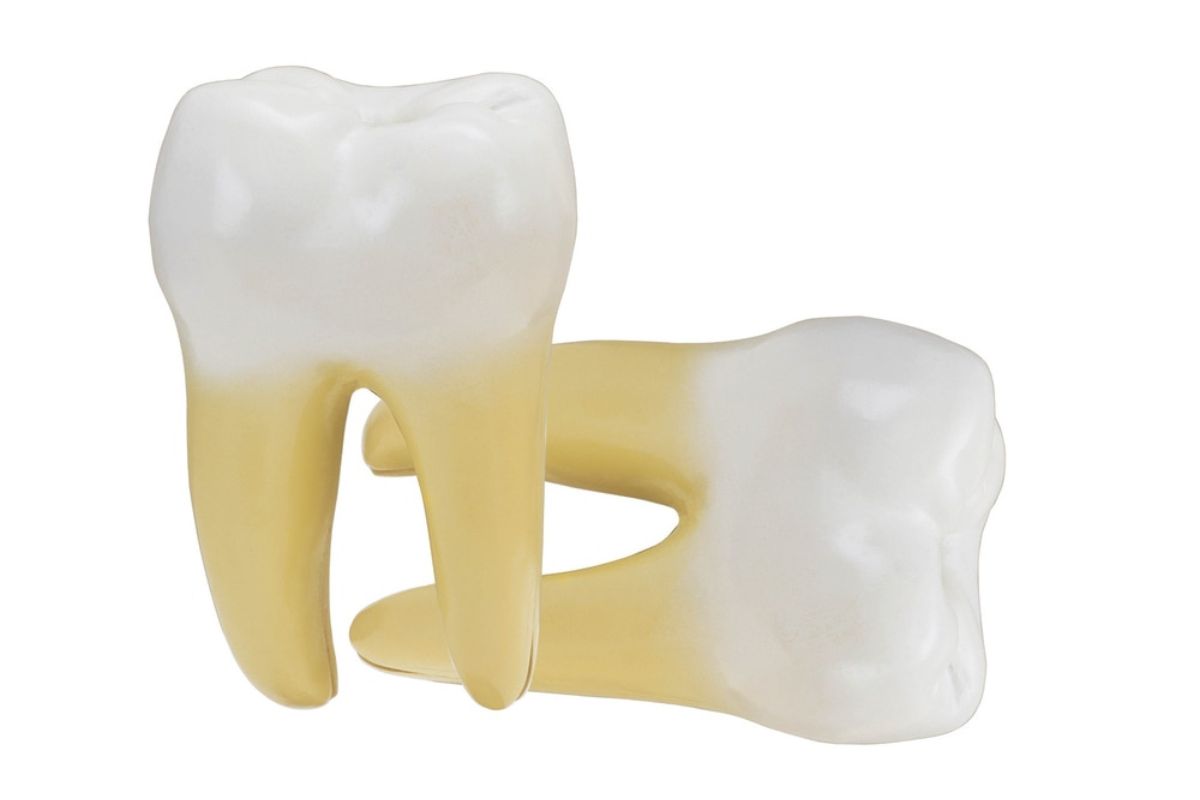
Tooth enamel is the hardest substance in the human body, yet remains highly vulnerable to erosion. Once damaged, the outer layer of the tooth does not regenerate. However, there are ways to manage and protect its loss from further harm. This article will explore the science behind erosion and its consequences, and expert insights into practical strategies for its preservation and restoration. You are in the right place if you have ever wondered whether your enamel can be restored.
Tooth Enamel: More Than Just A Protective Layer
Enamel is a vital defense system for oral health. It helps protect your teeth from the pressures of everyday life, like chewing and the acids in food and drink. Composed of minerals such as calcium phosphate, it is built to be strong and durable. However, it is not invincible. It can wear down due to acidic foods, poor oral hygiene, and other external factors. This can lead to tooth sensitivity, cavities, and visible damage. Understanding its importance in your overall dental health is crucial because once compromised, the consequences can be serious.
Can Tooth Enamel Be Restored?
The short answer is that enamel cannot be “regrown’, once lost. Unlike other tissues in the body, it cannot regenerate naturally. However, this does not mean all hope is lost.
The focus then shifts to enamel remineralization. This process helps strengthen existing enamel and prevent further deterioration. By introducing certain minerals back into it, its structure can be fortified. Nonetheless, it is essential to note that remineralization can only work in the early stages of the damage, and severe erosion requires different approaches.
Why Does The Outer Layer Of Your Tooth Erode In The First Place?
To understand how the protective outer layer can be preserved and what interventions might be necessary, learning to identify the root causes is key. Factors like diet, oral hygiene practices, and lifestyle choices contribute to the degradation effect. Here are some less commonly discussed contributors:
- Chronic Acid Reflux or GERD: Gastroesophageal reflux disease brings stomach acids into the mouth, causing gradual erosion. This is a long-term issue, as the continuous exposure to acid can slowly damage teeth, often without immediate symptoms.
- Medications and Medical Conditions: Some medications, such as antihistamines or certain chemotherapy drugs, can lower saliva production, leading to dry mouth and increased decay. Additionally, conditions like bulimia or anorexia nervosa, which cause frequent vomiting, expose teeth to stomach acids.
- Excessive Use Of Whitening Products: Many store-bought teeth-whitening products contain hydrogen peroxide, which, when used excessively, can soften the tooth’s hard surface and lead to wear.
Understanding the specific causes behind enamel loss is a crucial first step. A dentist in Great Neck can perform a thorough examination to assess the root cause and recommend the most appropriate treatment.
Key Strategies To Strengthen Your Tooth’s Hard Surface
While complete restoration of the tooth’s hard surface is impossible, several methods can help protect it and even help with remineralization. Here is what experts recommend:
1. Professional Fluoride Treatments
Fluoride is widely known for its ability to remineralize the hard surface. However, when used professionally, fluoride treatments are potent compared to most over-the-counter toothpastes. These methods deliver fluoride directly to the tooth surface, allowing for effective remineralization.
2. Innovative Toothpaste Formulations
Recent advancements have led to the development of specialized toothpastes. These contain casein phosphopeptide-amorphous calcium phosphate (CPP-ACP), which aids in remineralization and prevents further damage. Moreover, the formulations used are specifically designed to work on weakened enamel, providing additional protection.
3. Saliva Stimulation
Saliva plays an essential role in the remineralization process. It helps wash away acids and provides minerals that aid in repairing the teeth’s protective coating. Dry mouth, a condition often caused by medication or medical issues, can accelerate demineralization. A local dental professional might recommend artificial saliva products or salivary stimulants.
4. Microabrasion And Cosmetic Solutions
In cases of significant demineralization, microabrasion can remove superficial stains and rough spots on enamel. While this does not help in restoration, it can improve the aesthetic appearance of teeth and smooth out damaged areas. Restorative procedures like veneers or crowns are required to protect the underlying oral structure for severe conditions.
How To Prevent Further Dental Erosion?
Here are some advanced measures you can take to preserve your tooth’s first line of defense and keep your teeth strong:
- Alkaline Foods and Drinks: Unlike the usual focus on cutting acidic foods, consuming alkaline foods is useful. Options like leafy greens and nuts can balance the pH in the mouth and reduce tooth wear.
- Timing Your Meals And Snacks: Avoid snacking on acidic foods throughout the day. Instead, focus on eating meals and drinking water to help neutralize any acids.
- Proper Brushing Technique: Brushing too vigorously or using a hard-bristle toothbrush can cause microdamage. Opt for a soft-bristled brush and allow fluoride toothpaste to do its job. Consider waiting 30 minutes after consuming acidic foods before brushing to prevent damaging softened enamel.
When To Seek Professional Help?
If you notice signs of tooth wear, such as tooth sensitivity, visible discoloration, or rough patches, it is essential to consult a dentist in Great Neck or the surrounding areas. Enamel erosion is not always reversible, but early intervention can reduce its impact and slow down the damage. A specialist can help you identify whether your hard surface, which covers teeth, is in its early stages or requires intensive treatments. They will also advise you on personalized methods for enamel protection and remineralization.
Visiting a dental office on time can help you gain the proper insights and tools to manage demineralization effectively.
Safeguard Your Smile With Professional Guidance
While enamel restoration is not traditionally possible, various strategies can help protect and strengthen the remaining portion. Book an appointment with Signature Smiles to explore your options for improving your teeth and preserving your smile. We offer personalized treatment plans to help you maintain healthy teeth for years. Understanding the causes of tooth wear and taking preventive steps can keep your smile in excellent condition.