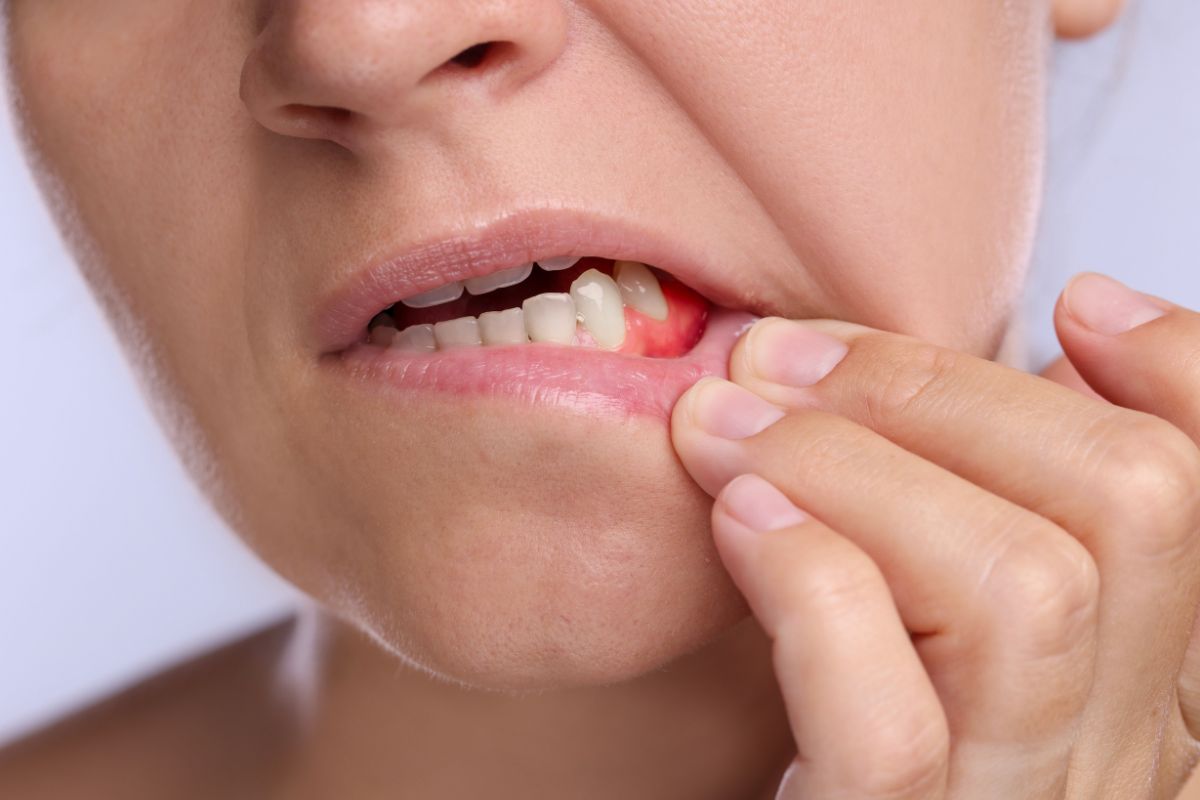
Have you ever taken a sip of ice water or eaten ice cream and suddenly felt a sharp pain rush through your teeth? That quick jolt may seem minor at first, but recurring sensitivity to cold is often a warning sign that something deeper is affecting your oral health. Many adults begin noticing sensitivity when enamel starts wearing down, gums recede, or untreated dental problems expose the inner layers of the teeth.
According to data from the Centers for Disease Control and Prevention (CDC), more than 1 in 5 adults in the United States has untreated dental decay. Cold sensitivity usually develops when enamel becomes weakened, gums pull away from the teeth, or dentin becomes exposed. These problems rarely improve on their own and often worsen gradually over time.
At Signature Smiles, Dr. Yuval Spector and Dr. Daniela Spector regularly help patients identify the underlying causes of tooth sensitivity before the condition progresses. Through preventive, restorative, and periodontal care, our dental professionals focus on protecting long-term oral health while helping patients feel more comfortable eating, drinking, and smiling confidently again.
What Causes Teeth to Become Sensitive to Cold?
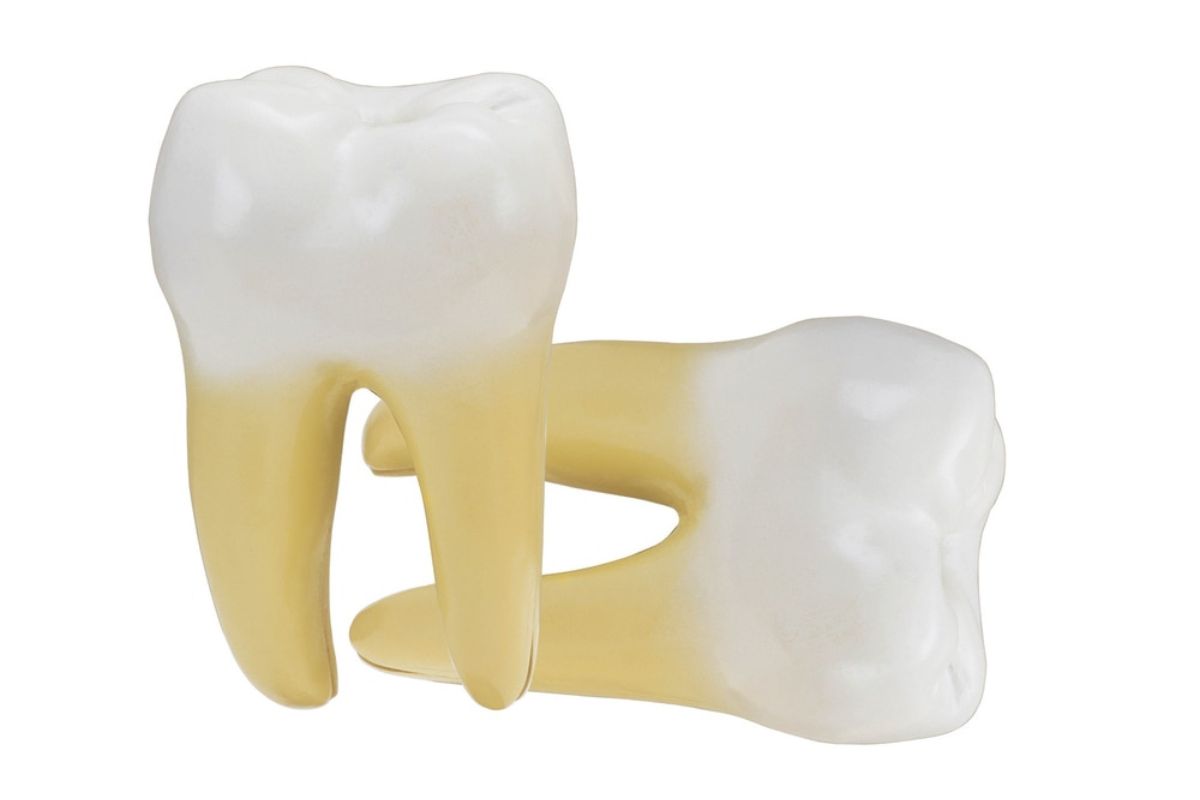
Tooth sensitivity usually occurs when the protective layers of the teeth become compromised. Beneath the enamel lies dentin, a softer layer filled with microscopic tubules that connect directly to the tooth’s nerves. Once dentin becomes exposed, cold temperatures can trigger sudden discomfort.
Enamel Erosion
Enamel protects teeth from temperature changes, bacteria, acids, and daily wear. Over time, factors such as acidic foods, soda, vigorous brushing, and teeth grinding can slowly erode this outer layer.
Common signs of enamel erosion include:
- Sensitivity to cold foods or sweets
- Teeth appear more yellow
- Rough or uneven tooth edges
- Discomfort while brushing
Because enamel cannot fully regenerate naturally, protecting the remaining enamel is essential for maintaining long-term oral health.
Gum Recession and Gum Disease
Many adults with tooth sensitivity also experience gum recession. When gums recede from the teeth, the roots are uncovered. Unlike the visible part of the tooth, roots are not covered by enamel, making them especially sensitive to cold temperatures.
Gum disease is a major cause of recession. Early gum inflammation may seem harmless initially, but untreated periodontal problems can slowly damage the supporting gum tissue and bone surrounding the teeth.
A trusted dentist often highlights that healthy gums are crucial for preserving oral function and a pleasing smile. Addressing gum problems early can reduce sensitivity while helping preserve natural teeth longer.
Tooth Decay or Cracks
Cavities, worn fillings, and small cracks can create openings that allow cold sensations to reach the nerves inside the teeth. In many cases, patients notice sensitivity affecting only one specific tooth.
Sensitivity caused by decay typically becomes more severe over time. Delaying treatment may increase the risk of infection or more complex restorative procedures later.
Teeth Grinding (Bruxism)
Grinding or clenching your teeth can slowly wear down enamel and place excessive pressure on the teeth. Many people unknowingly grind their teeth during sleep.
Common signs of bruxism include:
- Morning jaw soreness
- Frequent headaches
- Flattened tooth edges
- Increased tooth sensitivity
Without treatment, grinding can gradually weaken teeth and increase long-term dental damage.
Can Tooth Sensitivity Become Permanent?
Tooth sensitivity isn’t always permanent, but neglecting it can lead to lasting damage. When enamel erosion, gum recession, or untreated decay continues to progress, the nerves inside the teeth become increasingly vulnerable.
Early treatment often stabilizes the condition before the sensitivity worsens. Professional care may also reduce the likelihood of future complications involving the gums, tooth roots, or internal tooth structure.
Treatments That Relieve Cold Tooth Sensitivity
The right treatment depends on identifying the exact cause of the discomfort. At Signature Smiles, treatment recommendations are based on the condition affecting the teeth, gums, and supporting structures.
Desensitizing Toothpaste
Toothpaste formulated for sensitive teeth may help block pain signals traveling through exposed dentin.
For better results:
- Use the toothpaste consistently for several weeks
- Avoid rinsing immediately after brushing
- Use a soft-bristle toothbrush
- Brush gently near the gumline
Although desensitizing toothpaste can help reduce discomfort, persistent sensitivity still requires professional evaluation.
Professional Fluoride Treatments
Professional fluoride applications help strengthen weakened enamel and reduce sensitivity. These treatments are commonly recommended for patients experiencing early enamel wear or mild root exposure.
Fluoride treatment is fast, non-invasive, and often included during preventive dental visits.
Gum Therapy for Recession
If gum recession or periodontal disease contributes to sensitivity, gum therapy may help reduce inflammation and stabilize the gum tissue.
Healthier gums also improve smile symmetry and overall dental appearance. Treating periodontal concerns early may help prevent additional gum and bone loss later.
Restorative Dental Solutions
When tooth decay, cracks, or worn restorations are causing discomfort, restorative treatment may be necessary. Depending on the condition, treatment may involve replacing damaged fillings or protecting weakened teeth before symptoms worsen.
Treating structural damage early often helps preserve more natural tooth structure while reducing future complications.
Relief Tips You Can Start Using Today
Professional treatment is important, but daily habits also influence tooth sensitivity significantly.
Limit Acidic Foods and Drinks
Frequent exposure to acidic beverages can soften enamel and increase discomfort.
Helpful habits include:
- Drinking water after acidic meals
- Using a straw for cold beverages
- Avoid brushing immediately after acidic foods
- Reducing frequent snacking throughout the day
Improve Your Brushing Technique
Brushing harder does not clean teeth more effectively. Excessive force can wear away enamel and irritate the gums.
A healthier brushing technique includes:
- Using gentle circular motions
- Brushing for two full minutes
- Choosing a soft-bristled toothbrush
- Replacing toothbrushes regularly
Do Not Ignore Ongoing Sensitivity
Occasional mild sensitivity may not indicate severe damage, but pain that becomes frequent or worsens should always be evaluated professionally.
Many patients postpone treatment because the discomfort feels manageable initially. Unfortunately, minor problems can become far more advanced when warning signs are ignored.
When Should You See a Dentist for Tooth Sensitivity?
You should schedule a dental evaluation if:
- Sensitivity lasts longer than a few days
- One tooth feels especially painful
- Cold foods consistently trigger sharp discomfort
- Your gums appear swollen or receding
- You notice bleeding while brushing or flossing
Early diagnosis usually allows for more conservative treatment and better long-term protection for your oral health.
Tooth sensitivity is not something you simply have to tolerate. Whether the cause involves gum recession, enamel wear, grinding, or decay, modern dental treatments may help reduce discomfort and support healthier teeth and gums.
Understanding the Cause Is the First Step Toward Relief
Cold sensitivity can affect much more than temporary comfort. It can influence the foods you enjoy, your daily routines, and your confidence in your smile. While occasional discomfort may seem minor, recurring sensitivity often signals underlying dental concerns that deserve professional attention. Addressing the issue early can help preserve enamel, protect the gums, and reduce the risk of more advanced complications later.
At Signature Smiles, Dr. Yuval Spector and Dr. Daniela Spector focus on helping patients achieve healthier, more comfortable smiles through preventive, restorative, periodontal, and cosmetic dental care. If sensitivity to cold foods or beverages has been interfering with your daily life, visit our dental office. Our team can help identify the cause and guide you toward lasting relief. Book an appointment to ensure your oral health is in safe hands.
Frequently Asked Questions
1. Why are my teeth suddenly sensitive to cold water?
Sudden sensitivity often develops when enamel becomes worn down or gums begin receding, exposing the dentin underneath. Cavities, small cracks, or recent dental treatment may also contribute to discomfort.
2. Can gum disease cause tooth sensitivity?
Yes. Gum disease may cause the gums to pull away from the teeth, exposing the roots and increasing sensitivity to cold foods and drinks.
3. Does tooth sensitivity go away on its own?
Temporary mild sensitivity may improve, but recurring discomfort usually indicates an underlying dental issue that requires professional evaluation.
4. What toothpaste works best for sensitive teeth?
Desensitizing toothpaste containing ingredients like potassium nitrate or stannous fluoride is commonly recommended to help reduce nerve irritation.
5. Is cold sensitivity always a sign of a cavity?
No. Sensitivity may also result from enamel erosion, gum recession, teeth grinding, or worn dental restorations.
6. Can teeth grinding make sensitivity worse?
Yes. Grinding gradually wears down enamel, exposing deeper layers of the teeth and increasing sensitivity over time.
7. When should I see a dentist for sensitive teeth?
You should schedule an appointment if sensitivity becomes frequent, painful, affects one tooth specifically, or occurs alongside gum swelling or bleeding.