Have you noticed increased sensitivity when drinking coffee, eating ice cream, or brushing your teeth? If so, the area near your gum line may be showing early signs of tooth erosion. This common dental issue often starts gradually and can become more serious if left untreated.
Many adults in Great Neck lead busy lifestyles filled with work, commuting, social events, fitness routines, and acidic foods or beverages that may contribute to enamel damage. Understanding the warning signs early can help protect your smile and prevent more extensive problems.
At Signature Smiles, Dr. Spector and the team help patients identify the causes of enamel wear and provide solutions that support long-term oral health. If you are searching for a dentist in Great Neck, learning how to recognize and address this condition is an important first step.
What Happens When Enamel Wears Away Near the Gum Line?
The protective outer layer of your teeth, known as enamel, can gradually break down when exposed to acids, aggressive brushing habits, or other contributing factors. As the enamel becomes thinner near the gums, the underlying tooth structure becomes more exposed.
This process can lead to:
- Increased sensitivity to hot and cold foods
- Small grooves or notches near the gums
- Changes in tooth color
- Rough or uneven tooth surfaces
- Greater risk of decay and damage
Because enamel does not grow back naturally, early intervention is important.
Common Causes of Tooth Erosion Near the Gum Line
Several factors can contribute to tooth erosion in this area.
Acidic Foods and Drinks
Frequent consumption of sports drinks, soda, citrus fruits, energy drinks, and flavored sparkling water can weaken enamel over time.
Acid Reflux and Digestive Conditions
Stomach acid reaching the mouth can repeatedly expose teeth to harmful acids, accelerating enamel loss.
Brushing Too Hard
Using excessive pressure while brushing can wear away enamel and irritate gum tissue. A soft-bristled toothbrush is often a safer choice.
Teeth Grinding
Grinding or clenching places excessive stress on teeth and can contribute to wear near the gum line.
Dry Mouth
Saliva helps neutralize acids. Reduced saliva flow allows acids to remain on teeth longer, increasing the risk of damage.
Early Signs You Should Not Ignore
Recognizing symptoms early can prevent the condition from progressing.
Watch for:
- Sharp sensitivity when eating or drinking
- Visible indentations near the gums
- Teeth appearing more yellow
- Discomfort while brushing
- Rough edges along the tooth surface
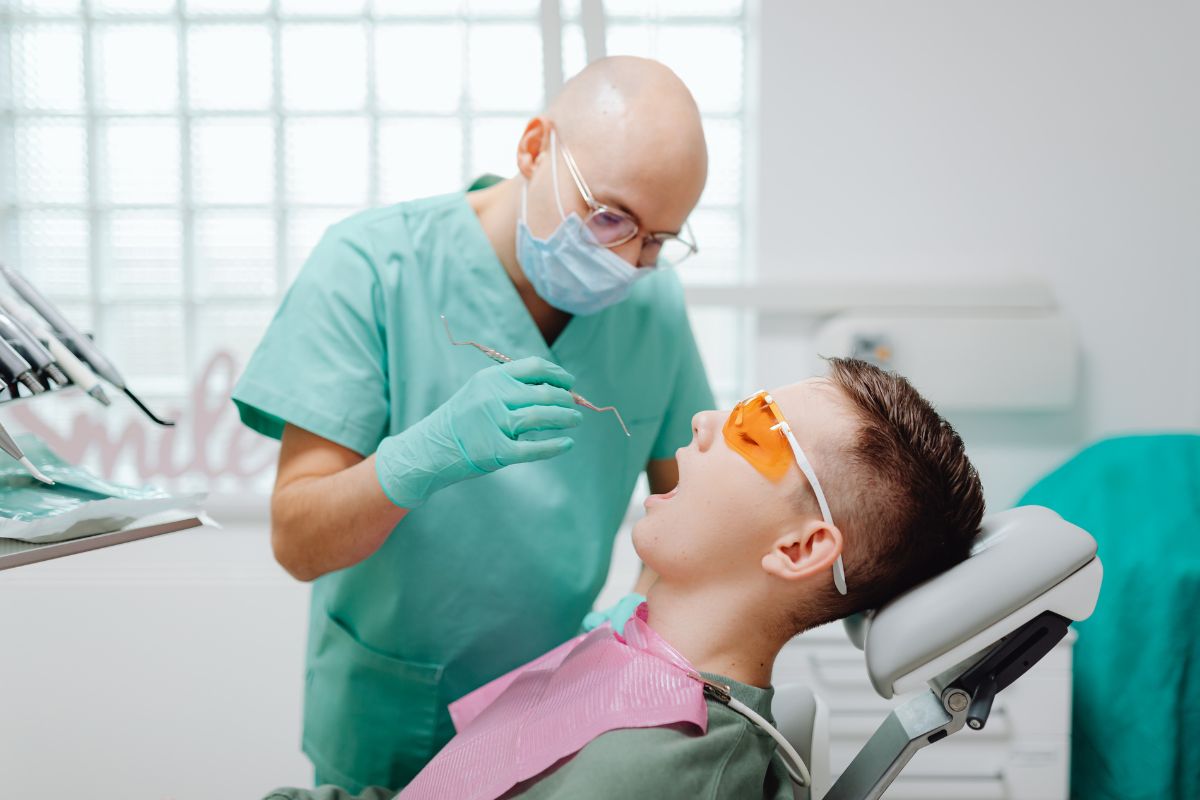
If you notice any of these symptoms, scheduling an evaluation with a dentist can help determine the cause before the damage advances.
How to Fix Tooth Erosion Before It Gets Worse
The right solution depends on the severity of the enamel loss and the factors contributing to it.
Improve Daily Oral Hygiene Habits
Gentle brushing with fluoride toothpaste can help protect remaining enamel. Avoid brushing immediately after consuming acidic foods or beverages.
Reduce Acid Exposure
Limiting acidic drinks and rinsing with water afterward can help reduce acid contact with teeth.
Address Underlying Health Concerns
If acid reflux or another medical condition is contributing to enamel wear, managing that condition may help slow further damage.
Use Protective Treatments
A dentist may recommend fluoride applications or other preventive measures to strengthen vulnerable areas.
Restore Damaged Areas
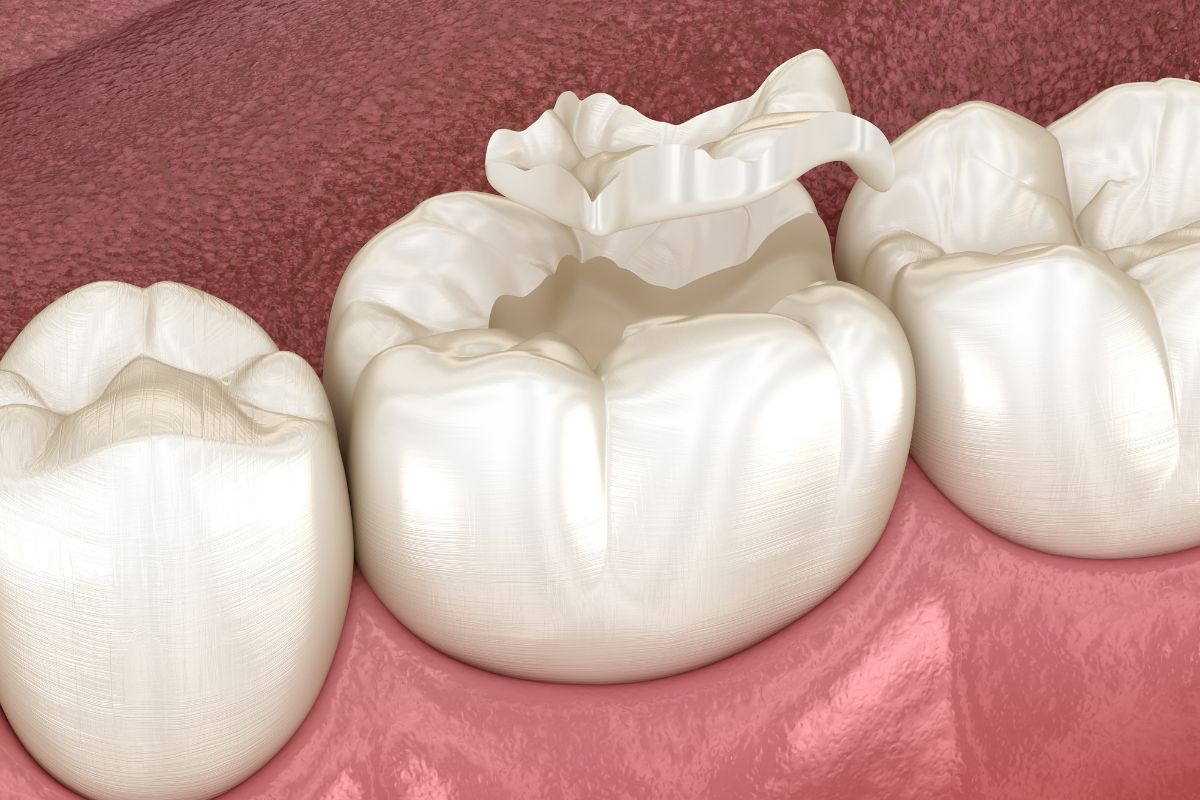
When enamel loss has already caused noticeable defects, restorative options such as bonding or other dental treatments may help protect the tooth and improve comfort.
Why Early Treatment Matters
Ignoring tooth erosion can allow the damage to progress deeper into the tooth structure. As more enamel is lost, teeth become increasingly sensitive and vulnerable to decay, fractures, and additional wear.
Local residents often enjoy active schedules that include coffee shops, restaurants, fitness activities, and on-the-go meals. These everyday habits can sometimes increase acid exposure without people realizing it. Regular checkups help identify concerns before they become more complicated.
Seeking professional dental care early often allows for more conservative solutions while preserving more of your natural tooth structure.
Simple Ways to Help Protect Your Teeth
You can reduce future enamel wear by following these habits:
- Drink more water throughout the day
- Use a soft-bristled toothbrush
- Limit frequent acidic snacks and beverages
- Wear a nightguard if you grind your teeth
- Schedule routine examinations
- Follow the recommendations provided by your dentist
These steps can help reduce the progression of tooth erosion and support healthier teeth and gums.
When Should You Seek Professional Care?
If sensitivity continues, visible wear becomes noticeable, or eating certain foods causes discomfort, it is time for a professional evaluation.
Patients throughout Great Neck and nearby communities often wait until symptoms become severe. However, earlier care can help prevent more extensive dental treatment later. A thorough examination can identify contributing factors and determine the most appropriate approach for your situation.
If you are experiencing signs of tooth erosion, now is the time to take action. You can book an appointment to discuss your symptoms and receive personalized recommendations.
Protect Your Smile Before the Damage Progresses
At Signature Smiles, we understand how frustrating sensitivity and enamel wear can be. Whether you have noticed early signs of tooth erosion or have concerns about long-term enamel loss, our team is here to help you maintain healthy teeth and gums.
Our practice provides comprehensive dental care, focusing on early detection and effective treatment plans for lasting oral health. If you are looking for a trusted dentist in Great Neck, schedule a visit with us today.
Visit our dental office at 55 Northern Blvd, Suite 101, Great Neck, NY 11021, and take the next step toward protecting your smile before minor enamel damage becomes a bigger concern.
Frequently Asked Questions
1. Can enamel near the gum line grow back?
No. Enamel does not regenerate naturally. Early evaluation and treatment can help protect the remaining tooth structure and prevent additional damage.
2. What causes sensitivity near the gum line?
Sensitivity may occur when enamel wears away, exposing the underlying tooth structure. A professional assessment can determine the exact cause and appropriate treatment.
3. Is tooth erosion different from cavities?
Yes. Cavities are caused by bacterial decay, while tooth erosion results from acid-related enamel loss. Both conditions require professional attention.
4. Can a dentist repair damaged areas near the gums?
Yes. Depending on the extent of damage, a dentist may recommend restorative procedures to protect the affected area and improve comfort.
5. How can I prevent enamel wear from getting worse?
Reducing acid exposure, maintaining proper oral hygiene, and attending regular dental visits can help protect your teeth from further damage.
6. When should I seek treatment for gum-line enamel loss?
If you notice sensitivity, visible wear, or discomfort while eating and drinking, schedule an evaluation promptly to discuss treatment options.