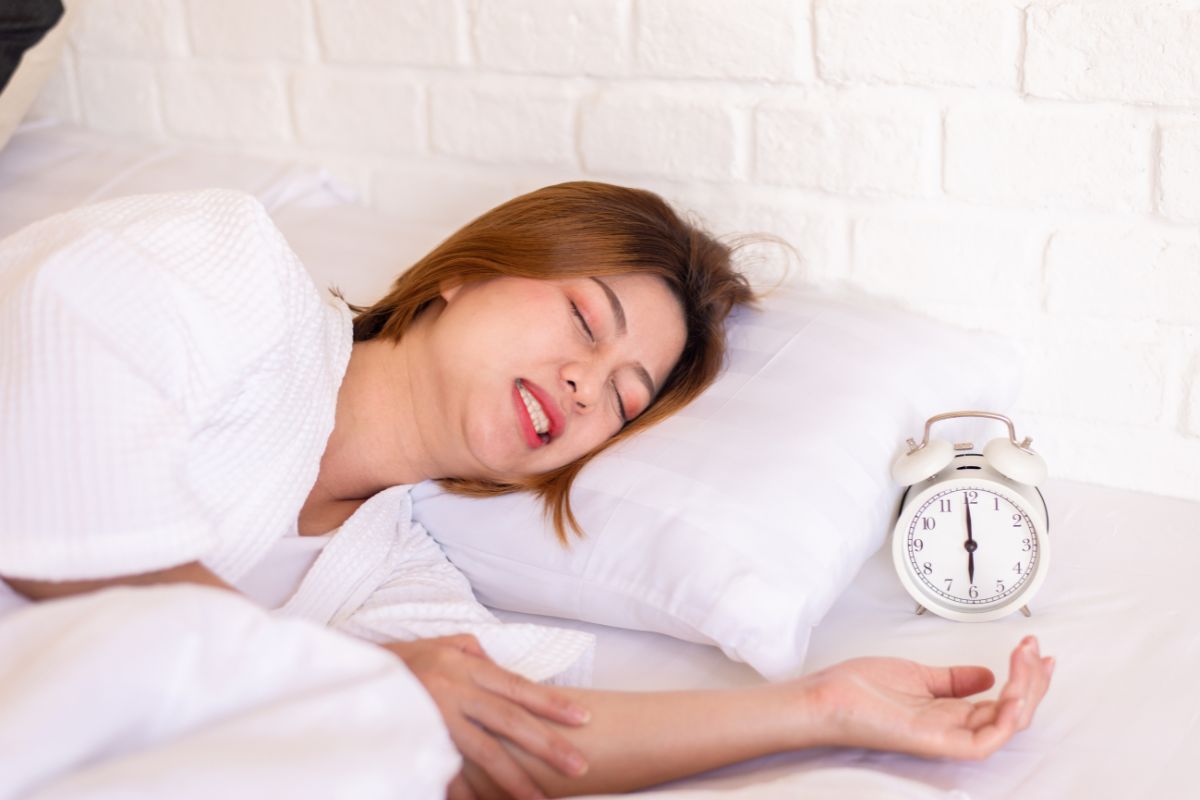
Many people wake up with jaw soreness, headaches, or sensitive teeth without realizing the cause. In many cases, nighttime teeth grinding, also called bruxism, is responsible. Because it happens during sleep, most people remain unaware of the habit until symptoms become difficult to ignore.
At Signature Smiles, patients often ask why teeth grinding starts and whether it can be prevented. Dr. Spector frequently helps patients identify the underlying causes and develop practical solutions that protect their oral health.
If you are looking for a trusted dentist, understanding the causes, warning signs, and treatment options can help you take action before grinding causes lasting damage. This guide explains what contributes to sleep bruxism, how to reduce its effects, and when professional care may be necessary.
What Causes Teeth Grinding While Sleeping?
Teeth grinding during sleep can result from several factors. In many cases, more than one cause contributes to the problem.
Common causes include:
- Emotional stress and anxiety
- Sleep disorders such as sleep apnea
- Misaligned teeth or bite issues
- Certain medications
- Excessive caffeine consumption
- Alcohol use before bedtime
- Smoking and tobacco use
The brain remains active during sleep. Stress signals and muscle activity can trigger unconscious jaw clenching and grinding. Identifying the source is often the first step toward successful dental treatment.
How Do You Know If You Grind Your Teeth at Night?
Many people discover they grind their teeth after noticing symptoms rather than hearing the grinding itself.
Common Signs of Sleep Bruxism
Symptoms may include:
- Morning headaches
- Jaw pain or stiffness
- Ear discomfort without infection
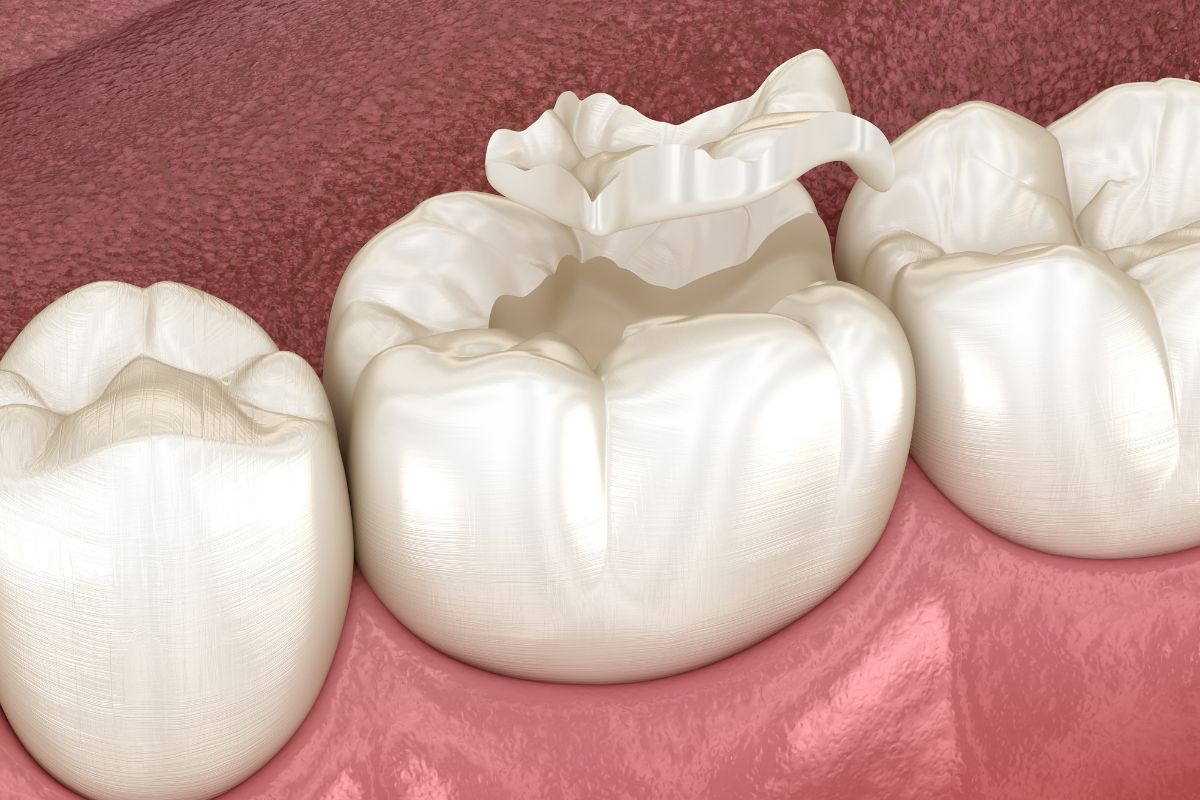
- Worn, flattened, or chipped teeth
- Increased tooth sensitivity
- Neck and facial muscle tension
- Interrupted sleep
A general dentist can often identify evidence of grinding during a routine examination. Tooth wear patterns and jaw muscle tenderness frequently provide important clues.
Can Stress and Anxiety Make Teeth Grinding Worse?
Yes. Stress is one of the most common contributors to nighttime grinding.
When people experience ongoing tension, the jaw muscles may remain active even during sleep. Work demands, family responsibilities, financial concerns, and major life changes can all increase the risk.
Residents throughout Great Neck, Manhasset, Kings Point, and nearby communities often balance busy schedules that contribute to stress-related bruxism. Managing stress effectively can play an important role in reducing grinding episodes.
Practical Stress Management Tips
- Practice deep breathing before bed
- Maintain a consistent sleep schedule
- Reduce screen time before sleeping
- Exercise regularly
- Consider meditation or mindfulness exercises
- Limit caffeine during the afternoon and evening
These habits support overall wellness and complement professional dental care strategies.
What Are the Most Effective Ways to Stop Teeth Grinding?
There is no single solution that works for everyone. Treatment depends on the underlying cause.
Custom Night Guards
One of the most common treatments for bruxism is a custom-made night guard.
A professionally designed appliance creates a protective barrier between the upper and lower teeth. This helps prevent enamel wear, fractures, and excessive pressure on the jaw joints.
Unlike store-bought options, custom night guards are designed to fit comfortably and provide better protection.
Bite Evaluation and Occlusal Adjustments
In some cases, uneven bite forces contribute to grinding.
A thorough dental evaluation can determine whether bite irregularities are increasing stress on the teeth and jaw. Appropriate adjustments may improve comfort and function.
Addressing Related Sleep Disorders
Sleep apnea and other sleep-related conditions can contribute to bruxism. Patients who snore heavily or experience interrupted sleep may benefit from additional evaluation.
Can Teeth Grinding Damage Your Teeth?
Yes. Long-term grinding can create significant oral health concerns.
Potential Complications Include:
- Cracked teeth
- Fractured dental restorations
- Enamel erosion
- Tooth sensitivity
- Gum irritation
- TMJ discomfort
- Changes in bite alignment
These problems often develop gradually. Early diagnosis allows patients to pursue preventive dental treatment before more extensive care becomes necessary.
At Signature Smiles, patients receive personalized evaluations to determine the extent of grinding-related damage and appropriate next steps.
Are There Lifestyle Changes That Help Prevent Nighttime Grinding?
Many patients reduce symptoms by making small but meaningful changes to their daily habits.
Helpful Lifestyle Adjustments
Improve Sleep Quality
Poor sleep can increase muscle activity during the night. Aim for seven to nine hours of consistent sleep each night.
Reduce Evening Stimulants
Avoid caffeine, nicotine, and energy drinks several hours before bedtime.
Limit Alcohol Consumption
Alcohol may disrupt normal sleep patterns and increase grinding activity.
Relax Jaw Muscles
Warm compresses and gentle stretching exercises may reduce jaw tension before sleep.
Combined with professional dental care, these strategies often improve long-term outcomes.
When Should You See a Dentist for Teeth Grinding?
You should schedule an evaluation if symptoms occur regularly or continue to worsen.
Warning signs include:
- Frequent headaches
- Jaw pain
- Tooth sensitivity
- Chipped or cracked teeth
- Difficulty opening or closing the mouth comfortably
A dentist can assess your oral health, identify potential causes, and recommend appropriate solutions.
Patients throughout Great Neck, Little Neck, Port Washington, and surrounding areas often seek help after noticing persistent symptoms that interfere with daily life.
Before the problem progresses further, consider visiting our dental office for a professional assessment.
Professional Solutions for Teeth Grinding
Nighttime grinding often requires more than home remedies. While stress reduction and lifestyle adjustments help many people, professional evaluation remains important when symptoms persist.
A qualified dentist can determine whether grinding is related to bite issues, sleep disorders, jaw dysfunction, or other factors. At Signature Smiles, Dr. Spector and the team focus on identifying the root cause rather than simply managing symptoms. Early intervention can help protect teeth, reduce discomfort, and preserve long-term oral health.
Protect Your Smile Before Grinding Causes Lasting Damage
Teeth grinding during sleep can affect your comfort, sleep quality, and oral health. The condition often develops gradually, making early detection especially important. Understanding the causes and recognizing warning signs allows you to seek care before significant damage occurs.
If you are experiencing symptoms of bruxism, consulting a trusted dentist can help you find answers and appropriate treatment options. Signature Smiles provides comprehensive evaluations and personalized care to address concerns related to grinding. Contact us today to book an appointment and learn how our team can help protect your smile for years to come.
Frequently Asked Questions
1. Can teeth grinding go away on its own?
In some cases, temporary stress-related grinding may improve when the underlying trigger resolves. However, many people continue grinding for years without realizing it. Persistent symptoms should be evaluated by a dental professional to prevent tooth wear and jaw complications.
2. Is a store-bought night guard enough for teeth grinding?
Over-the-counter night guards may provide limited protection, but they are not customized to your bite. Poor fit can reduce comfort and effectiveness. A professionally made appliance offers better protection, improved durability, and a more precise fit for long-term use.
3. Can children grind their teeth while sleeping?
Yes. Teeth grinding is relatively common in children and often occurs during periods of growth and dental development. While many children outgrow the habit, persistent grinding, jaw discomfort, or noticeable tooth wear should be evaluated by a dentist.
4. Does sleep apnea cause teeth grinding?
Research suggests a connection between sleep apnea and nighttime teeth grinding. Some patients experience grinding episodes when breathing becomes disrupted during sleep. If grinding occurs alongside snoring, daytime fatigue, or interrupted sleep, additional evaluation may be recommended.
5. How long does treatment for teeth grinding take?
Treatment timelines vary depending on the cause and severity of the condition. Some patients notice relief soon after receiving a custom night guard, while others may require ongoing management of stress, bite concerns, or sleep-related conditions. A professional evaluation helps determine the most appropriate approach.