Have you ever noticed a clicking or popping sound every time you chew or open your mouth wide? Many people dismiss it as harmless, especially if it isn’t painful. However, recurring jaw noises are not normal and may indicate that the jaw joint isn’t functioning properly. Left untreated, these symptoms can progress into chronic discomfort, difficulty chewing, limited jaw movement, and persistent headaches. In fact, the National Institute of Dental and Craniofacial Research estimates that more than 10 million Americans are affected by temporomandibular disorders, making them one of the most common causes of chronic facial pain.
Seeking an evaluation from a nearby dentist as soon as symptoms appear can help identify the underlying cause before lasting joint damage occurs. In many cases, jaw clicking or popping is associated with TMJ disorder, a condition that affects the temporomandibular joints and the muscles responsible for chewing, speaking, and normal jaw movement. At Signature Smiles, located in Great Neck, NY, Dr. Yuval Spector, Dr. Daniela Spector, and the entire dental team provide comprehensive TMJ treatment according to each patient’s needs. In this guide, you’ll learn why your jaw may pop when you chew, the symptoms you shouldn’t ignore, and the treatment options available to help restore comfortable jaw function.
Understanding How Your Jaw Joint Works
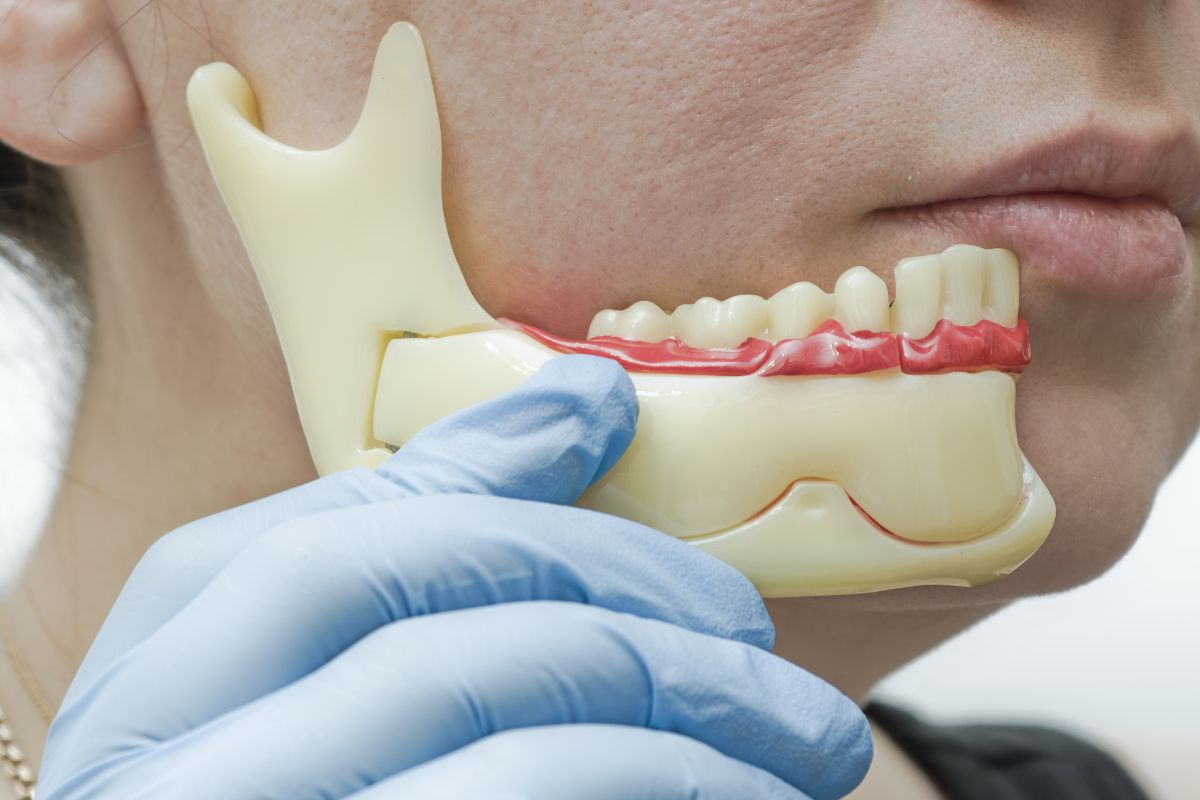
Your jaw relies on two temporomandibular joints, one on each side of your face, located just in front of your ears. These joints act like sliding hinges, allowing your lower jaw to move smoothly in several directions.
A small cushioning disc sits between the bones to reduce friction and absorb pressure while you chew, yawn, or speak. Ligaments, muscles, and tendons work together to keep everything moving in proper alignment.
When any part of this system becomes irritated, inflamed, or displaced, the joint can no longer move smoothly. This often results in TMJ disorder, which can cause clicking, popping, stiffness, or pain during normal jaw function.
Is Jaw Popping Always a Sign of a Problem?
Not every clicking jaw requires immediate intervention. Some people experience occasional sounds without discomfort or changes in jaw movement. However, repeated popping that continues for weeks or becomes more frequent deserves professional evaluation.
Jaw noises become more concerning when they occur alongside:
- Pain while chewing
- Jaw stiffness
- Difficulty opening or closing the mouth
- Headaches
- Ear pain without an ear infection
- Facial soreness
- A feeling that the jaw locks or shifts unexpectedly
These symptoms often suggest that the joint is under excessive stress and should not be ignored.
Common Reasons Your Jaw Pops While Chewing
Several conditions can affect jaw function. Identifying the exact cause is essential because the appropriate TMJ treatment depends on the underlying problem.
Bite Misalignment
When your upper and lower teeth do not fit together properly, uneven pressure develops inside the jaw joints. Over time, this imbalance increases stress on the surrounding muscles and ligaments, contributing to TMJ disorder and persistent joint noises.
Teeth Grinding and Jaw Clenching
Many people grind or clench their teeth while sleeping without realizing it. Others clench their jaw throughout the day during periods of stress.
This constant pressure overloads the jaw joints and can gradually damage the protective disc that cushions movement. It is one of the most common contributors to TMJ disorder.
Arthritis
Like other joints throughout the body, the jaw joints can develop arthritis. As cartilage wears down, movement becomes less smooth, leading to inflammation, stiffness, grinding sensations, and audible popping.
Previous Jaw Injury
Sports injuries, falls, vehicle accidents, or direct blows to the face may alter the alignment of the jaw. Even injuries that occurred years earlier can eventually affect joint function and increase the likelihood of abnormal movement.
Missing or Damaged Teeth
Missing teeth change how your bite distributes pressure during chewing. Cracked, heavily worn, or damaged teeth may also force the jaw into an unnatural position, placing additional strain on the joints and muscles.
Addressing these concerns through appropriate dental treatment not only restores oral function but may also reduce stress on the jaw over time.
Why Early Evaluation Matters
Many patients delay seeking help because the popping doesn’t initially interfere with daily life. Unfortunately, untreated joint dysfunction often becomes progressively worse.
Without proper diagnosis, ongoing inflammation may lead to muscle fatigue, cartilage damage, reduced jaw mobility, chronic headaches, facial discomfort, and difficulty enjoying everyday meals.
Professional dental care focuses on identifying the exact cause of your symptoms rather than simply masking discomfort. Once the underlying cause is identified, a personalized TMJ treatment plan can improve jaw function while protecting the joint from additional wear.
How Is TMJ Disorder Diagnosed?
Because several conditions can produce similar symptoms, diagnosing TMJ disorder requires more than simply listening for clicking sounds. Your dentist will carefully evaluate how your jaw moves, identify areas of tenderness, examine your bite, and determine whether the joints are functioning normally.
During the examination, your provider may assess:
- How wide your mouth open
- Whether the jaw shifts while opening or closing
- Joint sounds during movement
- Muscle tenderness around the face and neck
- Signs of nighttime grinding or clenching
- Bite alignment and tooth wear
When necessary, digital imaging may be recommended to more thoroughly evaluate the bones, joint position, and surrounding structures. This comprehensive evaluation allows your dentist to determine the true cause of your symptoms and recommend the most appropriate solution.
Signs That It’s Time to Seek Professional Care
Many people wait until jaw pain becomes severe before scheduling an appointment. However, earlier intervention often leads to simpler and more effective treatment.
Consider scheduling an evaluation if you experience:
- Frequent clicking or popping while chewing
- Jaw pain that lasts more than a few days
- Difficulty opening your mouth fully
- Morning jaw soreness
- Chronic headaches near the temples
- Ear pain without signs of infection
- Facial muscle fatigue
- Episodes where the jaw locks open or closed
These symptoms often indicate that the joint is working under excessive strain and should be evaluated before the condition progresses.
Treatment Is Never One-Size-Fits-All
Every patient’s condition is different. The most effective TMJ treatment begins by addressing the specific factor placing stress on the jaw rather than simply relieving symptoms.
Depending on your diagnosis, your personalized treatment plan may include several conservative approaches that work together to restore healthy jaw function.
Custom Night Guards
If teeth grinding or clenching is contributing to joint stress, a professionally fabricated night guard can help reduce pressure while you sleep. Unlike over-the-counter appliances, custom guards are designed to fit your bite accurately, improving comfort and effectiveness.
Bite Adjustment and Restorative Care
Missing teeth, worn restorations, or uneven bite surfaces can change how the jaw closes. In these situations, carefully planned dental treatment may improve bite balance and reduce unnecessary stress on the jaw joints.
Stress Management and Habit Modification
Many patients unknowingly clench their teeth throughout the day, especially during periods of stress or concentration. Learning to recognize these habits, improving posture, and practicing muscle relaxation techniques can significantly reduce jaw tension.
Jaw Exercises and Physical Therapy
Gentle stretching and strengthening exercises may improve jaw mobility, reduce muscle tightness, and encourage smoother joint movement. Your provider may recommend specific exercises based on your individual condition.
Medication When Appropriate
Anti-inflammatory medications or muscle relaxants may be recommended for short-term symptom relief when inflammation or muscle spasms are contributing to discomfort. These medications are typically used alongside other therapies rather than as a long-term solution.
Advanced Treatment Options
Some patients with persistent muscle pain may benefit from targeted injections to relax overactive muscles. In uncommon cases involving significant structural damage, surgical intervention may be considered after conservative methods have been exhausted.
The goal of every TMJ treatment plan is to restore comfortable jaw function while preserving the joint’s long-term health whenever possible.
Simple Habits That Can Protect Your Jaw
Although not every case can be prevented, certain daily habits can reduce stress on the jaw joints and support long-term joint health.
Helpful recommendations include:
- Avoid chewing gum excessively.
- Limit very hard or chewy foods during flare-ups.
- Maintain good posture while working.
- Avoid resting your chin on your hand.
- Practice stress-reduction techniques.
- Wear any prescribed night guard consistently.
- Keep up with routine dental care visits to identify bite changes before they become larger problems.
Making these adjustments, along with appropriate professional care, can reduce unnecessary strain and help maintain healthier jaw function over time.
What Happens If You Ignore Jaw Popping?
Many people adapt to jaw clicking and assume it’s simply part of getting older. Unfortunately, delaying care may make the problem more difficult to manage. As the joint continues to experience abnormal pressure, inflammation can worsen and gradually affect everyday activities.
Untreated TMJ disorder may eventually lead to:
- Persistent jaw pain
- Difficulty chewing certain foods
- Frequent headaches
- Neck and shoulder discomfort
- Limited jaw movement
- Locking of the jaw joint
- Increased wear on the teeth from grinding or an uneven bite
Early intervention often helps prevent these complications while preserving the long-term function of the jaw.
Why Professional Evaluation Makes a Difference
Jaw popping is only one symptom, not the diagnosis itself. Two patients with identical clicking sounds may have completely different underlying causes. That’s why a comprehensive examination is so important.
A personalized TMJ treatment plan focuses on correcting the source of the problem rather than temporarily masking symptoms. Whether the issue involves muscle strain, bite imbalance, grinding habits, or joint inflammation, timely care can improve comfort, restore normal jaw movement, and protect your overall oral health.
If you have been living with recurring jaw popping, facial discomfort, or difficulty chewing, don’t wait for the symptoms to worsen. Visit our dental office for a thorough evaluation. Our team provides comprehensive dental care using advanced diagnostic techniques to identify the cause of your symptoms and recommend the most appropriate TMJ treatment for your needs. If restorative procedures are necessary, we also provide personalized dental treatment designed to improve bite function and support lasting joint health.
Restore Comfortable Jaw Function Before Symptoms Get Worse
A popping jaw should never be ignored, even when it isn’t painful. Identifying the cause early gives you the best opportunity to prevent further joint damage and regain comfortable, confident jaw movement. If you’re looking for a trusted dentist in Great Neck for comprehensive TMJ care, the team at Signature Smiles is here to help patients throughout Great Neck and nearby communities. Book an appointment today to receive a personalized evaluation and learn which TMJ treatment options can help you achieve lasting relief.
FAQs
1. Is jaw popping always caused by TMJ problems?
No. Jaw popping can also result from arthritis, previous injuries, or bite problems. A professional evaluation can determine the exact cause and whether you would benefit from TMJ treatment.
2. When should I see a dentist for a popping jaw?
If the popping is frequent, painful, or accompanied by headaches, jaw locking, or difficulty chewing, it’s time for an examination. Early care can prevent the condition from worsening.
3. Can TMJ problems go away without treatment?
Some mild symptoms may improve temporarily, but persistent jaw issues often worsen over time. A personalized evaluation helps identify the underlying problem and the most effective treatment approach.
4. What treatments are available for TMJ disorders?
Treatment depends on the cause and may include custom night guards, bite adjustments, jaw exercises, stress management, or restorative procedures. Your dentist will recommend the option that best fits your condition.
5. Can teeth grinding cause my jaw to pop?
Yes. Chronic grinding or clenching places excessive pressure on the jaw joints and surrounding muscles, making clicking, popping, and discomfort more likely. Addressing these habits can significantly improve symptoms.
6. Will I need surgery for TMJ problems?
Most patients respond well to conservative treatments and never require surgery. A comprehensive evaluation allows your dentist to recommend the least invasive solution that addresses your specific needs.
7. Why is early treatment important for TMJ symptoms?
Treating jaw problems early can reduce pain, protect the joints from additional wear, and help maintain normal chewing and speaking function. Seeking care promptly often leads to simpler and more effective outcomes.