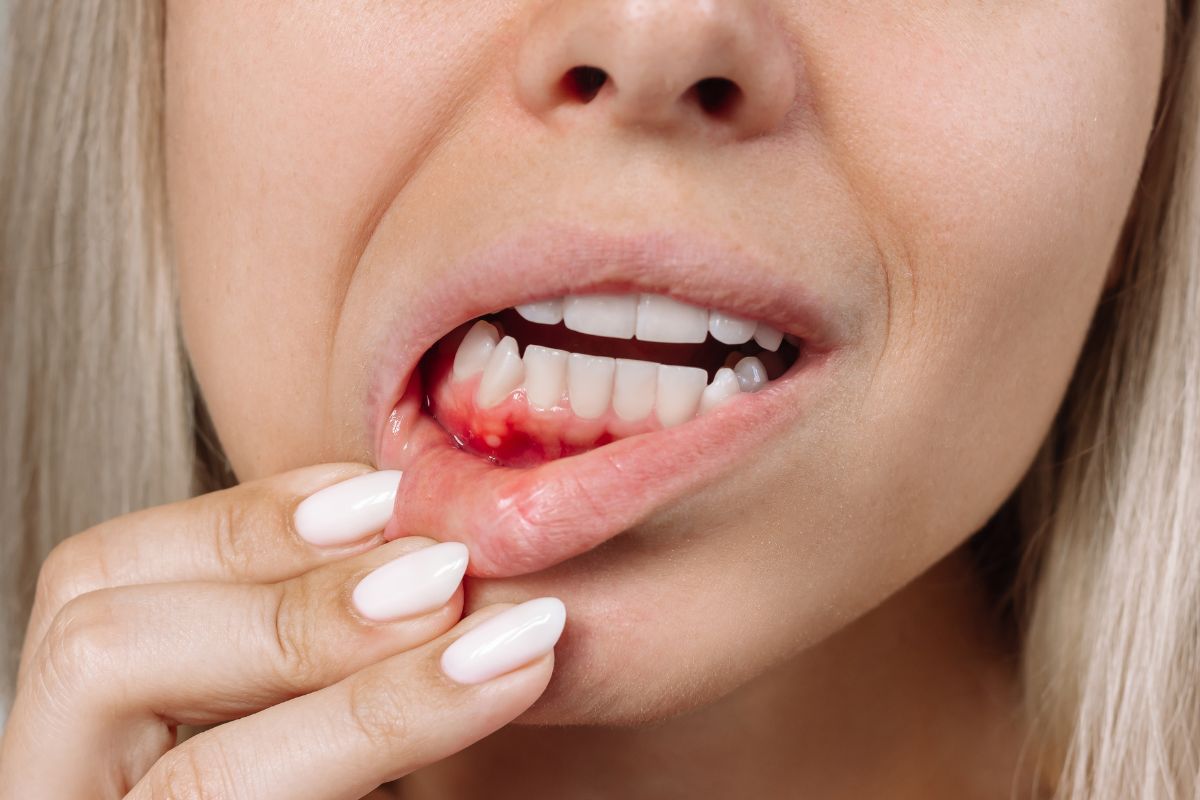
Bleeding gums despite daily brushing typically stem from early-stage periodontal inflammation, aggressive mechanical brushing, unaddressed interdental plaque, or systemic vascular changes. While surface brushing cleans the visible faces of your teeth, it often misses microscopic bacterial biofilm tucked beneath the gumline and between tight contacts. Over time, this leftover plaque hardens into calculus, irritating delicate tissue and causing focal bleeding upon contact.
Bleeding tissue is never something to ignore, as it serves as your body’s clear biological alarm system indicating underlying inflammation or mechanical strain. At Signature Smiles, our team, led by Dr. Yuval Spector and Dr. Daniela Spector, helps patients identify the root cause of persistent inflammation and restore their oral vitality.
The Hidden Clinical Causes of Bleeding Gums
While daily brushing is essential, standard surface sweeping does not clear every millimeter of your mouth. Understanding why healthy habits might fall short requires looking at the micro-environment of your oral cavity.
Early Stage Periodontal Disease (Gingivitis)
According to comprehensive data from the Centers for Disease Control and Prevention (CDC), nearly 47.2% of American adults aged 30 and older suffer from some form of periodontal disease. Gingivitis represents the initial stage of this condition, where lingering bacterial biofilm irritates the marginal tissue surrounding your teeth. The immune system responds by sending extra blood flow to the site, making delicate capillary walls fragile and prone to rupturing when touched by toothbrush bristles.
Aggressive Brushing Technique and Hard Bristles
More force does not translate to cleaner teeth. Brushing with hard bristles or applying excessive physical pressure acts like sandpaper on delicate soft tissue, causing micro-lacerations that bleed easily. Over time, this aggressive friction strips away healthy tissue and exposes sensitive root surfaces.
Interdental Plaque Accumulation
Your toothbrush bristles only reach about 60% of total tooth surfaces. The remaining 40% sits in tight spaces between teeth where plaque thrives undisturbed. Without consistent interdental cleaning, plaque hardens into rough, mineralized calculus that constantly scrapes adjacent tissue from the inside out.
Hormonal Fluctuations and Systemic Factors
Hormonal shifts during pregnancy, monthly cycles, or dynamic metabolic changes heighten vascular sensitivity throughout your body. Increased progesterone levels render soft tissue significantly more sensitive to tiny amounts of normal bacteria, triggering bleeding even during gentle cleaning routines.
Vitamin Deficiencies and Medication Reactions
Deficiencies in essential nutrients like Vitamin C and Vitamin K weaken the structural integrity of collagen networks and blood-clotting mechanisms. Additionally, daily regimens involving blood thinners or specific cardiovascular medications can cause even minor pressure to trigger visible bleeding.
Local Factors Affecting Your Oral Health
Living on the picturesque North Shore around Great Neck comes with a vibrant lifestyle, from grabbing a morning espresso along Middle Neck Road to enjoying artisanal meals near Great Neck Plaza. However, local daily habits can subtly influence your soft tissue health in ways you might not realize:
- High-Stress Commutes & Bruxism: Fast-paced routines and long LIRR commutes often elevate stress hormones like cortisol, impairing your immune system’s ability to keep bacterial growth in check. Chronic stress also fuels nighttime tooth grinding, which exerts heavy lateral forces on teeth, destabilizes periodontal fibers, and leaves surrounding tissue inflamed.
- Culinary Acidity and Carbohydrates: Enjoying local delicacies, rich Mediterranean dishes, and frequent coffees throughout the workday leaves acidic residues and sticky starches in your mouth. This fuels bacterial activity long after you finish eating, accelerating plaque formation along delicate tissue lines.
- Seasonal Climate Shifts: Cold Long Island winters and dry indoor heating lower natural salivary flow. Because saliva acts as your mouth’s natural buffer and cleansing agent, dry mouth conditions allow bacteria to multiply rapidly around your gumline.
Taking control of your oral health requires addressing these environmental factors alongside professional care. Choosing a proficient dentist allows you to receive a personalized evaluation tailored to your specific daily lifestyle.
Clinical Solutions: How to Stop Tissue Bleeding
Resolving persistent bleeding requires shifting from aggressive brushing to targeted, gentle hygiene practices.
Adopt Soft-Bristled Technique
Switch immediately to an ultra-soft toothbrush. Hold the brush handle at a gentle 45-degree angle relative to your gumline, executing small circular motions rather than heavy back-and-forth scrubbing. Let the tips of the bristles do the work without digging into soft margins.
Clean Interdental Spaces Daily
Integrate interdental brushes, soft picks, or traditional string floss into your night routine. Cleaning these hidden zones removes toxic bacterial byproducts before they can trigger inflammatory responses.
Upgrade Your Antimicrobial Care
Incorporate alcohol-free antimicrobial rinses containing essential oils or cetylpyridinium chloride (CPC). These rinses neutralize free-floating bacteria in hard-to-reach pockets without irritating delicate mucosal surfaces.
Seek Professional Periodontal Care
When lingering plaque hardens into stubborn calculus beneath your tissue line, home tools cannot remove it. Working with a dedicated dentist for gum treatment ensures that hardened deposits are safely removed with ultrasonic scaling instruments, allowing tissues to reattach and heal naturally.
When to Seek Immediate Professional Attention
Occasional slight bleeding from aggressive flossing may settle quickly, but lingering symptoms signal the need for expert evaluation. Contact a specialist if you experience:
- Bleeding that lasts longer than two weeks despite gentle brushing.
- Visible recession where teeth appear noticeably longer.
- Persistent bad taste or breath that does not clear with rinsing.
- Soft tissue that feels tender, swollen, or dark red.
- Slight mobility or shifting in individual teeth.
When home care reaches its limits, partnering with a trusted dentist is the surest way to prevent minor inflammation from advancing into irreversible bone loss.
Schedule Your Diagnostic Evaluation Today
Bleeding gums are a clear signal that your mouth needs attention, but you do not have to figure it out alone. Taking proactive steps today prevents early inflammation from escalating into complex dental issues down the road.
We invite you to visit our dental office for a thorough evaluation of your soft tissue and structural health. To discover the root cause of your symptoms and receive a personalized treatment plan, please book an appointment with Signature Smiles today.
Frequently Asked Questions
1. Why do my gums bleed even though I brush my teeth twice every day?
Brushing cleans tooth surfaces, but it cannot reach deep interdental spaces or beneath your gumline. Unremoved bacterial plaque hardens into calculus, causing localized inflammation and bleeding upon contact.
2. Can brushing too hard cause my gums to bleed persistently?
Yes, using hard bristles or applying heavy physical pressure creates micro-lacerations on soft tissue margins. Over time, aggressive friction strips away delicate tissue, exposing vulnerable areas that bleed easily.
3. Is bleeding gums always an early sign of gum disease?
While bleeding is the classic primary indicator of gingivitis, it can also stem from vitamin deficiencies, hormonal shifts, aggressive brushing, or medications. Professional diagnostics determine the exact underlying trigger.
4. Will bleeding stop on its own if I keep brushing thoroughly?
Bleeding will not resolve on its own if hardened calculus has formed beneath your tissue line. Professional scaling is necessary to remove calcified deposits and allow your tissue to heal properly.
5. Can stress cause my gums to bleed when I brush?
Chronic stress elevates systemic cortisol levels, suppressing immune response and increasing vascular inflammation. Stress also triggers jaw clenching, putting lateral strain on supporting periodontal tissue.
6. How does a dentist treat persistent bleeding gums safely?
A dentist uses specialized ultrasonic instruments to gently remove hardened calculus and biofilm from beneath the tissue line. This non-invasive procedure restores a clean environment, allowing tissue to reattach and heal.
7. What home remedies help reduce gum bleeding immediately?
Switch to a soft-bristled brush, floss gently once daily, and rinse with warm salt water or alcohol-free antimicrobial mouthwash. These steps soothe irritation while you await professional evaluation.