Few pleasures compare to enjoying a delicious meal with family and friends. From morning espresso and fresh pastries in Great Neck Plaza to classic Italian dinners along Northern Boulevard, food brings comfort, connection, and joy to our everyday lives. However, many people live under the mistaken belief that protecting their teeth requires eliminating all sugars, carbohydrates, acidic fruits, and savory treats. The thought of surrendering your favorite dishes to maintain a healthy smile can feel frustrating and unsustainable.
The good news? You do not have to choose between a thriving culinary lifestyle and strong, decay-free teeth. Cavity prevention is not about strict dietary deprivation; it is about understanding how oral bacteria interact with food and applying smart, science-backed habits that protect your enamel. At Signature Smiles, our lead dentists, Dr. Yuval Spector and Dr. Daniela Spector, combine advanced dental care with a personalized, patient-centered approach to help local families preserve their natural smiles while enjoying the foods they love.
Whether you are looking for a gentle, family-focused Great Neck dentist, a trusted professional for cavity treatment options, or proactive preventive maintenance, understanding the mechanisms behind tooth decay allows you to eat with total confidence.
The Science of Cavities: How Your Food Really Affects Enamel
To shield your teeth without sacrificing flavor, it helps to understand how tooth decay actually forms. Cavities do not appear instantly after taking a bite of cake or drinking a glass of juice. Instead, they are the result of an ongoing chemical interaction occurring on the surface of your teeth throughout the day.
Your mouth is naturally populated by millions of microscopic bacteria, including Streptococcus mutans. When you consume carbohydrates, such as sugars, cooked starches, breads, or sodas, these bacteria feed on the leftover particles. As they digest these sugars, they produce acid as a byproduct. This acid directly attacks tooth enamel, weakening its structural minerals in a process known as demineralization.
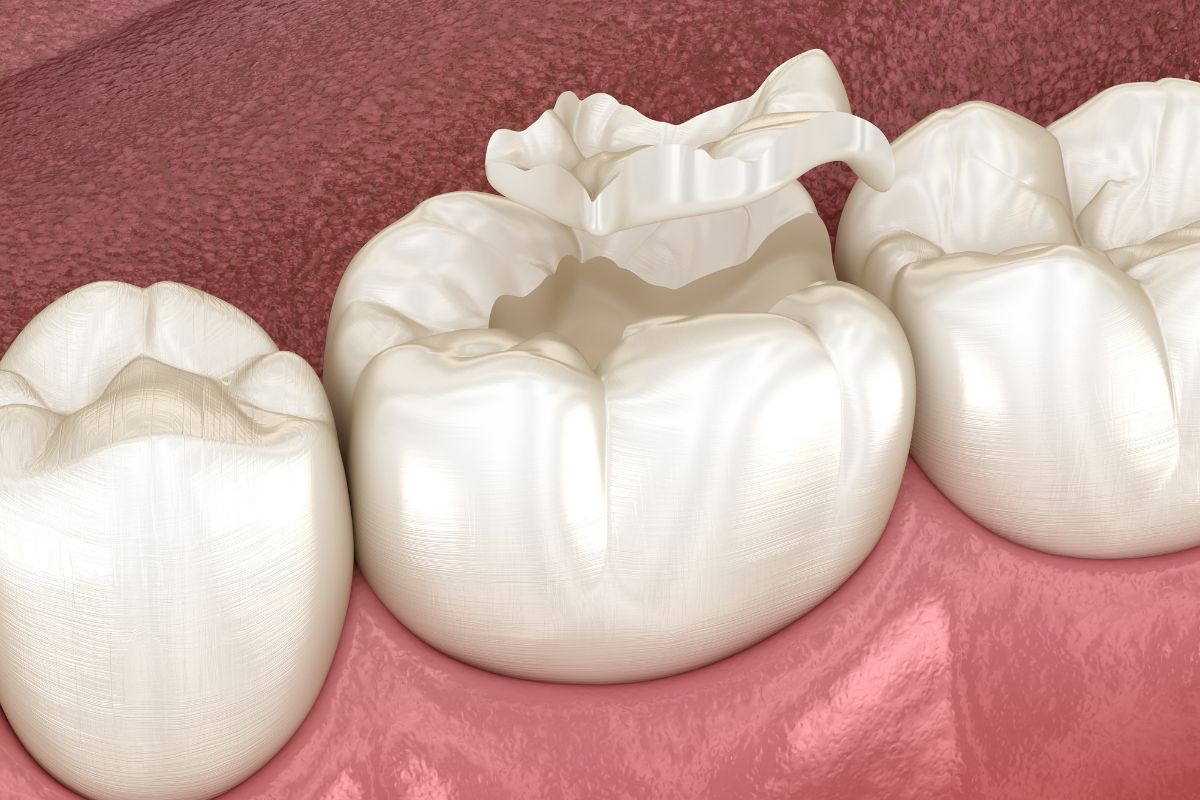
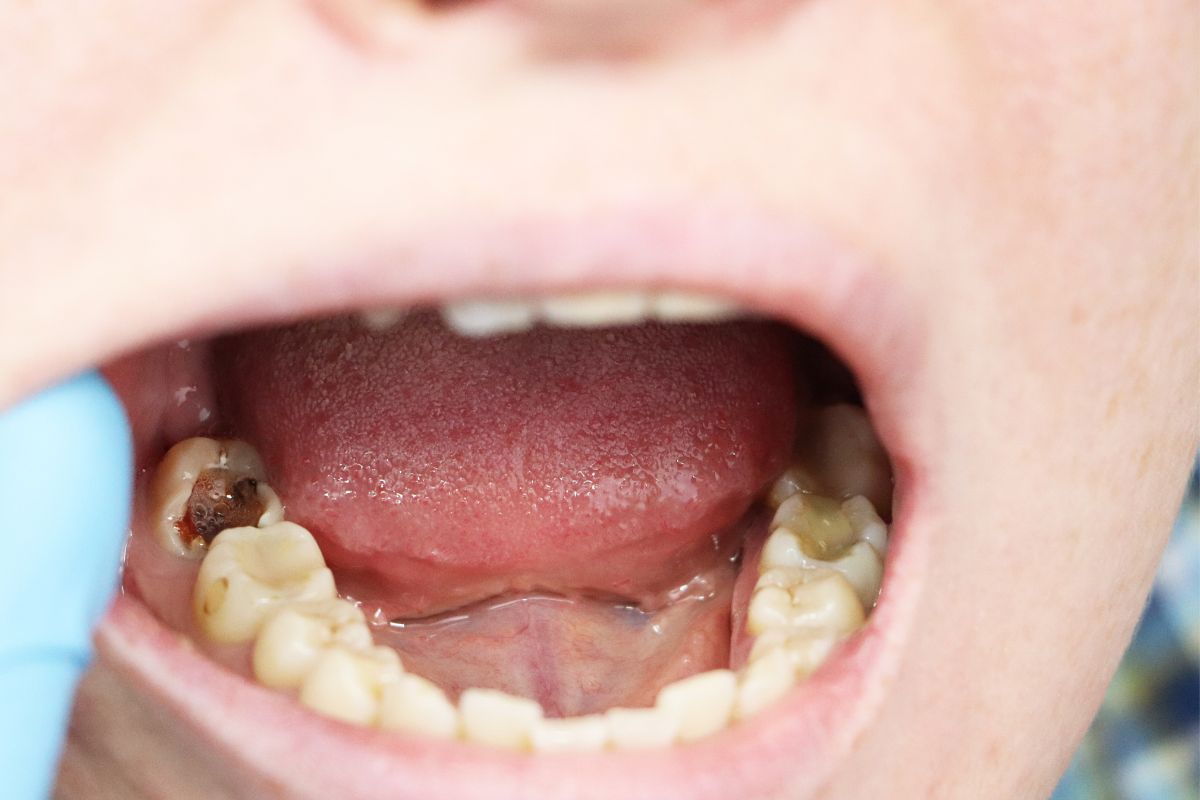
When acid attacks occur repeatedly without intervention, the outer enamel erodes, eventually forming small holes or cavities. Fortunately, your mouth possesses a built-in defense mechanism: saliva. Saliva contains natural minerals like calcium and phosphate, along with bicarbonate buffers that neutralize acid and re-mineralize enamel. Cavity prevention relies on keeping this delicate ecosystem balanced so that re-mineralization outperforms demineralization.
Frequency vs. Volume: Why When You Eat Matters More Than What You Eat
One of the biggest breakthroughs in modern preventive dentistry is recognizing that eating frequency plays a much larger role in cavity development than the total volume of sugar consumed.
Every time you eat or drink something containing carbohydrates, your oral pH drops into the “danger zone” (below 5.5) for approximately 20 to 30 minutes. During this timeframe, enamel demineralization actively takes place.
If you enjoy a large piece of chocolate cake during a single sitting at lunch, your mouth undergoes one acid cycle. However, if you sip a single sweetened coffee or snack on potato chips continuously over four hours at your desk, your enamel remains submerged in a continuous acid bath. Effective strategies to avoid cavities while still enjoying your favorite treats include consolidating your indulgence into meal times rather than grazing across long periods.
Smart Eating Hacks for Long Island Food Lovers
You do not need to rewrite your entire grocery list to protect your teeth. Implementing a few strategic dietary hacks can dramatically lower your risk of tooth decay while allowing you to enjoy Long Island’s diverse food scene. By partnering with a trusted Great Neck dentist like ours for cavity treatment guidance and customized oral care, you can indulge in local North Shore dining while preserving your smile.
The Power Pair: Buffer Carbs with Protein and Dairy
When eating acidic or sugary foods, pair them with neutralizing items. Aged cheeses like cheddar, Swiss, or Monterey Jack are exceptional cavity defenders. Cheese stimulates saliva flow, provides rich calcium and casein proteins to strengthen enamel, and rapidly restores mouth pH to safe levels. Enjoying cheese alongside a glass of wine or fruit creates an effective natural shield.
Follow Up with Water Chasers
Water is one of the simplest and most effective cavity prevention tools available. After consuming coffee, wine, pasta sauce, or sweets, swish vigorously with tap water. Water washes away loose food debris, dilutes lingering sugars, and speeds up pH recovery. Great Neck tap water also contains fluoride, providing an extra layer of enamel fortification with every sip.
Choose Quick-Clearing Treats Over Sticky Sweets
Not all sweets affect your teeth equally. Sticky candies, gummy bears, dried fruits, and caramels cling tightly to the pits and grooves of your molars, providing bacteria with a long-lasting food source. In contrast, dark chocolate or ice cream dissolves quickly and clears the mouth rapidly. Dark chocolate even contains natural polyphenols that help inhibit bacterial growth.
Use a Straw for Acidic Beverages
Whether you love iced coffee, lemon tea, or fruit smoothies, drinking through a straw minimizes contact between acidic liquids and the front surfaces of your teeth.
Essential Daily Habits to Neutralize Acids at Home
Dietary adjustments work best when paired with an effective home oral care routine. Small tweaks to your daily habit stack can make a substantial difference in stopping cavities before they start. Scheduling regular checkups with an experienced Great Neck dentist for cavity treatment and personalized hygiene advice ensures that plaque is removed before it damages enamel.
- The 30-Minute Brushing Rule: Never brush your teeth immediately after consuming acidic foods like citrus fruits, wine, or tomato sauce. Acid temporarily softens enamel, and brushing right away can scrub away this weakened surface. Instead, rinse your mouth with water and wait 30 minutes for saliva to re-harden the enamel before brushing.
- Incorporate Fluoride or Hydroxyapatite Toothpaste: Use a toothpaste formulated with fluoride or nano-hydroxyapatite twice daily. These ingredients actively re-mineralize weakened enamel and make teeth more resistant to future acid exposure.
- Floss Daily to Clean Contact Points: Brushing cleans only 60% of your tooth surfaces. Food debris and sticky sugars trapped between tight teeth can only be removed with daily flossing or an interdental cleaner.
- Chew Xylitol Sugar-Free Gum: Chewing sugar-free gum after meals stimulates saliva flow by up to ten times its resting rate. Gum sweetened with xylitol goes a step further by actively reducing cavity-causing bacteria.
In-Office Preventive Care at Signature Smiles
While daily home care and smart eating habits form your first line of defense, professional dental oversight provides the complete protection necessary for lifelong oral health. Choosing Signature Smiles as your primary Great Neck dentist for cavity treatment means gaining access to state-of-the-art diagnostic technology and proactive dental therapies.
Our team offers customized preventive treatments designed to complement your lifestyle:
- Professional Hygiene Cleanings: Remove hardened calculus (tartar) that cannot be brushed away at home.
- Dental Sealants: Thin, protective coatings applied to the deep grooves of molars to seal out food particles and bacteria.
- Professional Fluoride Varnish: High-potency topical treatments that rapidly strengthen vulnerable enamel spots.
- Early Decay Intervention: Modern diagnostic imaging lets us detect micro-cavities at their earliest stages, often allowing for non-invasive re-mineralization before a filling is ever needed.
Protect Your Smile Without Giving Up What You Love
Preventing cavities does not mean turning down dinner invitations or abandoning your favorite comfort foods. By understanding acid cycles, consolidating your treats, hydrating continuously, and maintaining strong home hygiene, you can enjoy the full richness of Long Island dining while keeping your smile vibrant and healthy.
If you are ready to experience personalized, stress-free dental care, Dr. Yuval Spector, Dr. Daniela Spector, and the caring team at Signature Smiles are here to help. Conveniently located at 55 Northern Blvd, Suite 101, Great Neck, NY 11021, our modern practice provides comprehensive preventive, restorative, and cosmetic care for patients across Long Island and New York City. Visit Signature Smiles to book an appointment!
Frequently Asked Questions
1. Can I really prevent cavities without completely cutting out sugar?
Yes, you can prevent cavities without eliminating sugar by managing how often you consume it. Sipping sugary drinks or snacking constantly feeds decay-causing bacteria, whereas enjoying sweets during meals allows saliva to neutralize harmful acids effectively.
2. How soon should I brush my teeth after eating acidic or sugary foods?
You should wait at least thirty minutes before brushing after eating acidic foods. Brushing immediately can rub acid deeper into softened enamel, whereas rinsing with water right away helps wash away sugars and restores mouth pH safely.
3. Why are sticky foods like dried fruit or candy worse for cavities than chocolate?
Sticky foods cling tightly to tooth grooves and resist saliva clearance, giving bacteria prolonged exposure to sugars. Conversely, dark chocolate dissolves quickly and contains natural polyphenols that can actually help suppress bacterial growth inside your entire mouth.
4. What role does drinking water play in cavity prevention during meals?
Drinking fluoridated tap water throughout the day rinses residual food particles, dilutes harmful bacterial acids, and stimulates saliva production. Saliva serves as your mouth’s most critical primary defensive mechanism, continuously re-mineralizing weakened enamel between your regular daily meals.
5. How do dental sealants protect teeth from cavity formation?
Dental sealants provide a thin, protective plastic barrier applied directly to the chewing surfaces of back teeth. This coating seals off deep pits and fissures, preventing food debris and cavity-causing plaque from setting into hard-to-reach tooth areas.
6. How often should I get professional dental cleanings to catch cavities early?
You should visit your dentist every six months for routine professional cleanings and examinations. Regular checkups enable your dental team to remove hardened tartar, identify early enamel demineralization, and treat minor decay before major painful cavities develop.
7. Can chewing gum really help prevent cavity development after eating?
Yes, chewing sugar-free gum containing xylitol after meals stimulates natural saliva flow and actively reduces harmful bacterial levels. Saliva washes away trapped sugars and neutralizes mouth acids, making sugar-free gum a convenient, effective mobile cavity defense tool.