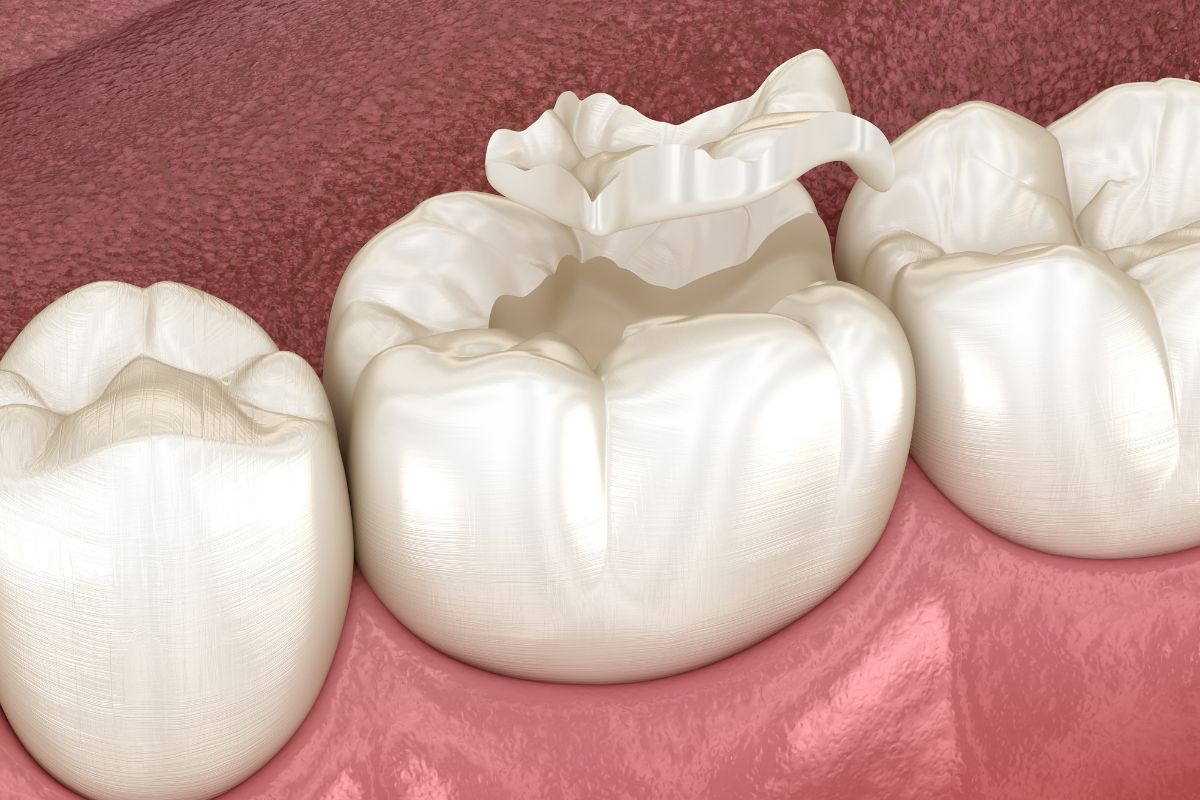
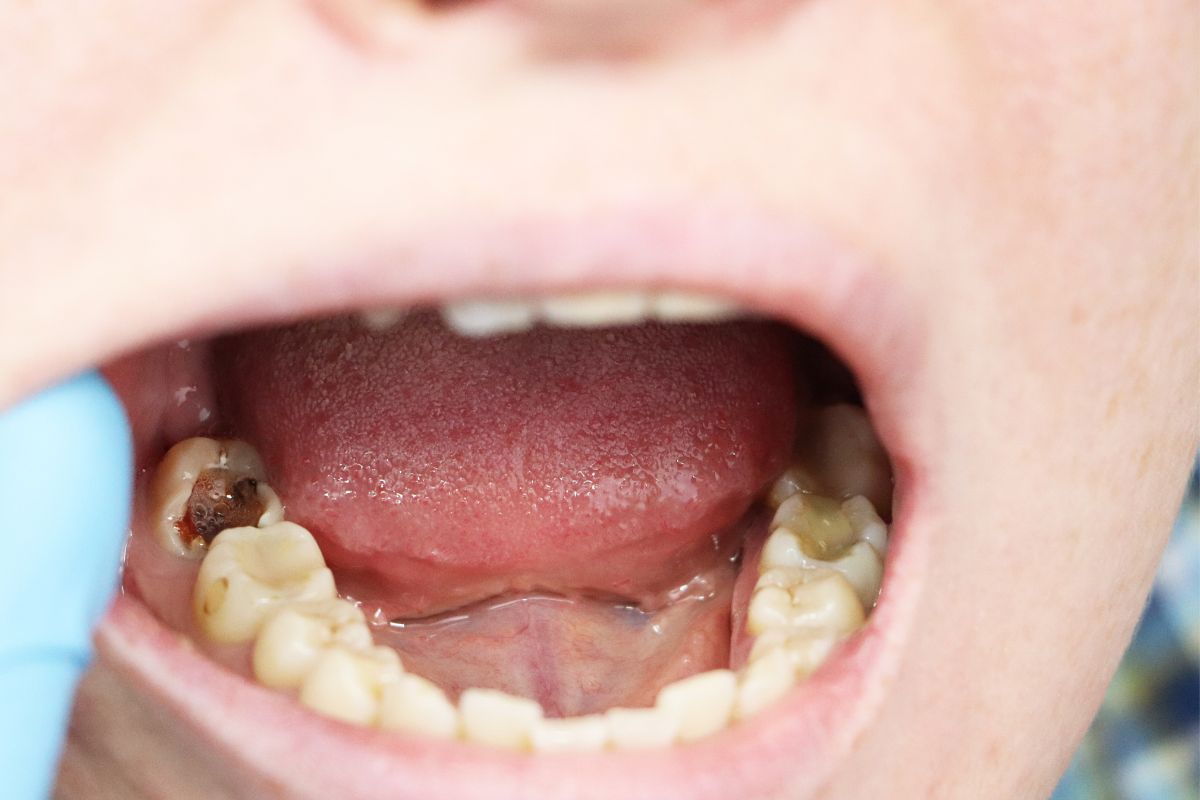
When you think about taking care of your smile, the basics usually come to mind right away: brush twice daily, floss regularly, and cut back on obvious sugar bombs like soda or candy. However, maintaining long-term oral health involves much more than avoiding the obvious culprits. Many of us engage in seemingly harmless daily routines that quietly weaken enamel, irritate gums, and lead to costly dental procedures down the line.
As experienced practitioners dedicated to protecting smiles throughout Long Island, our team at Signature Smiles, led by Dr. Yuval Spector and Dr. Daniela Spector, frequently sees the cumulative impact of these subtle routines during routine checkups. Understanding these underlying behaviors is the first step toward safeguarding your teeth for a lifetime.
Below, we break down ten common everyday habits that are secretly damaging your teeth and offer clinical insights on how to correct them.
1. Aggressive Brushing and Hard Bristles
It is natural to assume that scrubbing harder means cleaner teeth, but your enamel is not designed to withstand excessive mechanical force. Brushing with medium or hard bristles, or applying too much pressure with a soft brush, wears down protective enamel over time. This process, known as tooth abrasion, leads to heightened temperature sensitivity and root exposure. Additionally, heavy brushing irritates delicate gum tissue, causing it to recede prematurely.
To protect your tooth surface, switch to an soft-bristled toothbrush or a pressure-sensing electric model. Hold the brush at a 45-degree angle toward the gum line and use gentle, circular motions rather than harsh horizontal sawing. Think of brushing as massaging your teeth rather than scouring a countertop.
2. Using Your Teeth as Multi-Purpose Tools
Whether tear-opening a package, holding a pen between your lips, or biting off a clothing tag, using your teeth as tools is a quick recipe for structural damage. Teeth are engineered specifically for chewing food. Using them to cut, hold, or crack hard items exerts unnatural lateral forces on enamel, leading to chips, vertical stress fractures, and broken restorations.
If you frequently catch yourself using your teeth out of convenience, keep scissors, package openers, and basic tools accessible in your home, office, and car. Protecting your teeth from unnecessary mechanical stress saves you from unexpected emergency dental appointments.
3. Chewing on Ice Cubes
Crunching down on ice leftover from a cold drink might seem like a harmless, zero-calorie habit, but ice is surprisingly destructive to enamel. The combination of cold temperatures and rigid structure creates severe thermal and mechanical shock. Over time, this stress leads to microscopic fractures in the enamel. Eventually, these micro-cracks expand, leaving your tooth vulnerable to sudden breakage while eating routine meals.
If you crave the crunch of ice, switch to chilled water without ice cubes, or substitute crunchy, tooth-friendly raw vegetables like celery, carrots, or apple slices. These alternatives stimulate healthy saliva production without putting your teeth at risk.
4. Constant Sipping on Sparkling Water and Citrus Beverages
Flavored sparkling waters, fruit infusions, and lemon water have grown increasingly popular as healthier alternatives to sugary sodas. While they cut out sugar, many of these beverages maintain a low pH level, making them surprisingly acidic. Prolonged exposure to acidic liquids constantly bathes your teeth in acid, dissolving enamel through a process called demineralization.
You do not have to eliminate these refreshing drinks entirely. Instead, enjoy them alongside meals rather than sipping them continuously throughout the day. Using a straw minimizes contact with your front teeth, and rinsing your mouth with plain water immediately afterward helps neutralize acid levels faster.
5. Brushing Immediately After Eating or Drinking Acidic Foods
It seems logical to brush your teeth right after finishing a meal, especially after consuming fruits, coffee, or wine. However, doing so can actually accelerate enamel wear. Acidic foods and beverages temporarily soften tooth enamel by stripping away minerals. If you brush immediately, your toothbrush bristles rub the acid deeper into the softened enamel, accelerating tooth wear.
A good rule of thumb is to wait at least 30 to 45 minutes after eating acidic items before brushing. In the meantime, drink water to help rinse away acid particles and allow your saliva time to remineralize your enamel naturally.
6. Chronic Teeth Grinding and Clenching (Bruxism)
Many people grind or clench their teeth during stressful workdays or while sleeping without realizing it. Known clinically as bruxism, this habit generates immense pressure, often exceeding normal chewing forces by up to ten times. Over time, chronic grinding flattens biting surfaces, cracks enamel, loosens teeth, and causes facial pain or TMJ strain.
If you notice morning jaw tightness, frequent headaches, or visible flattening on your teeth, schedule an evaluation with a top Great Neck dentist. A custom-fitted nightguard cushions your teeth, distributes bite force evenly, and protects restorations while you sleep.
7. Continuous Snacking on Starchy and Sticky Foods
While sweet treats are well-known culprits, snacks like potato chips, crackers, dried fruit, and chewy fruit snacks can be equally damaging. Starchy foods easily break down into simple sugars and get trapped in the deep grooves of molars and between teeth. Oral bacteria feed on these trapped particles, creating acidic byproducts that corrode enamel long after you finish eating.
Focus on balanced meals to reduce the need for constant grazing. When snacking, opt for options that promote oral health, such as almonds, cheese, yogurt, and fresh crisp vegetables. If you indulge in sticky snacks, clean between your teeth thoroughly with dental floss.
8. Cough Drops, Gummy Vitamins, and Medicated Lozenges
Many people turn to lozenges and gummy vitamins to boost health or soothe a dry throat. Unfortunately, these products often contain high amounts of refined sugar or sticky syrups. Because lozenges melt slowly in the mouth, they expose teeth to a steady stream of sugar over extended periods, creating an ideal environment for decay.
Whenever possible, select sugar-free cough drops and lozenges sweetened with xylitol, a natural sugar substitute that actively inhibits cavity-causing bacteria. For daily nutritional supplements, swallowed pills or traditional liquid vitamins are much safer options for your teeth than sticky gummies.
9. Drinking Wine and Dark Teas Without Rinsing
A glass of red or white wine after work, or a warm cup of black tea during cold Long Island winters, can be relaxing. However, both drinks contain tannins and acidic compounds that discolor and erode tooth structure. Red wine and dark teas stain porous enamel, while white wine’s high acidity makes teeth more susceptible to discoloration from other foods.
To enjoy your favorite beverages safely, keep a glass of fresh water nearby and sip it alongside your wine or tea. Rinsing periodically dilutes dark pigments and prevents acids from lingering on enamel surfaces.
10. Skipping Routine Preventive Care
Even if you maintain a strict brushing and flossing routine at home, microscopic plaque and tartar deposits still build up in hard-to-reach areas. Over time, hardened tartar fosters bacterial growth along the gum line, leading to early-stage gum disease (gingivitis) and undetected enamel damage. Skipping professional exams lets small, manageable issues grow into complex conditions that require extensive restorative care.
Choosing a proficient Great Neck dentist helps identify potential issues early using advanced diagnostic tools. Professional cleanings remove calcified deposits that normal brushing cannot reach, keeping your smile clean, healthy, and resilient year after year.
Protect Your Smile with Signature Smiles
Building healthier daily habits is one of the best investments you can make for your long-term health and wellness. By making small adjustments to your daily routine, you can preserve your natural enamel, protect your gums, and enjoy a bright, confident smile for decades to come.
If you are looking for a ‘trusted dentist near me’ to evaluate your oral health, our modern practice is here to support you. From comprehensive preventive examinations to advanced restorative and cosmetic treatments, our goal is to deliver personalized, compassionate dental care tailored to your unique goals. If you have noticed signs of wear, increased sensitivity, or simply need to get back on track with routine checkups, working with an experienced dental practitioner can make all the difference.
Schedule Your Visit Today
Taking proactive care of your smile starts with professional guidance. If you’re looking for a ‘highly reliable dentist near me,’ we welcome you to try our personalized dental care focused on your comfort and well-being. Book an appointment with us today.
Visit our dental office today and take the first step toward a healthier, more vibrant smile.
Frequently Asked Questions
1. How do I know if my enamel is already worn down?
Signs of worn enamel include heightened sensitivity to hot or cold foods, yellowish tooth discoloration as underlying dentin shows through, and visible rounding or transparent edges on your front teeth.
2. Can worn tooth enamel grow back naturally?
No, tooth enamel does not regenerate because it lacks living cells. However, early mineral loss can be strengthened through remineralizing toothpaste, fluoride treatments, and healthy oral habits before permanent structural loss occurs.
3. Is sparkling water really as harmful as soda for teeth?
Sparkling water lacks the high sugar content of soda, making it significantly safer. However, its carbonation gives it a low pH that can slowly erode enamel if consumed constantly throughout the day.
4. Why do my gums bleed even when I brush regularly?
Bleeding gums are typically an early sign of gingivitis caused by lingering plaque along the gum line. Aggressive brushing with hard bristles can also irritate gum tissue and cause bleeding.
5. How can I stop grinding my teeth while sleeping?
Since sleep grinding is involuntary, wearing a custom-made nightguard crafted by your dentist is the most effective way to protect your teeth. Stress reduction and jaw exercises also help relax surrounding muscles.
6. What is the safest way to whiten teeth damaged by habits?
Professional in-office whitening or custom take-home trays provided by a qualified dentist offer the safest results. Over-the-counter abrasive whitening pastes can further damage compromised enamel if used improperly.
7. How often should I visit a dentist in Great Neck for checkups?
Most patients should schedule a professional examination and cleaning every six months. Patients with a history of gum disease or rapid plaque buildup may benefit from more frequent visits every three to four months.