A bright, confident smile can enhance both appearance and self-esteem. But for patients with restorations, one common question arises: Can professional whitening treatments make crowns look brighter, too? Understanding how whitening agents work and what alternatives exist can help you make the best decision for a seamless smile.
Why Whitening Does Not Affect Dental Restorations?
Professional bleaching products lift stains from natural enamel by breaking down pigments within its porous surface.
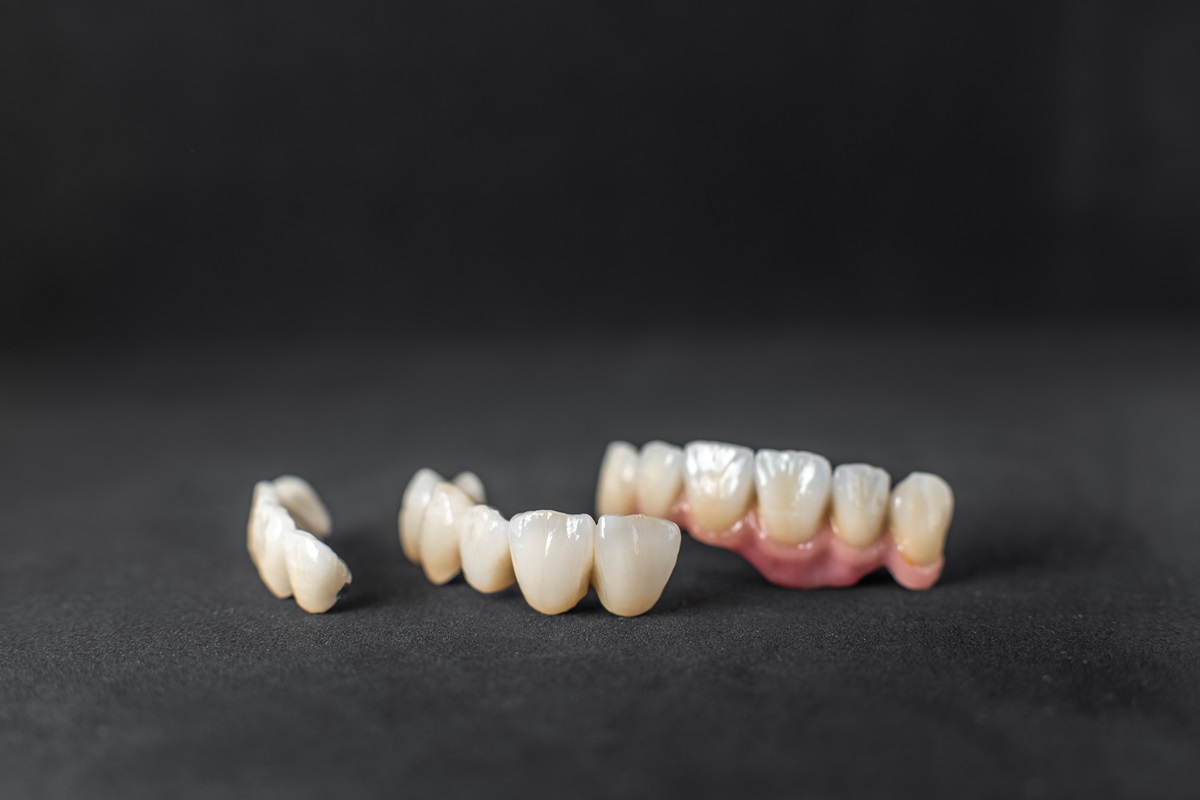
However, porcelain and ceramic restorations, including crowns, veneers, and bridges, are nonporous. As a result, bleaching gels cannot penetrate or alter their shade. If you are considering teeth whitening, it is best to consult your provider before starting treatment. They can evaluate the color of your corrective treatment and ensure your results appear even and natural across restored and natural surfaces.
What Happens When You Whiten Around A Crown
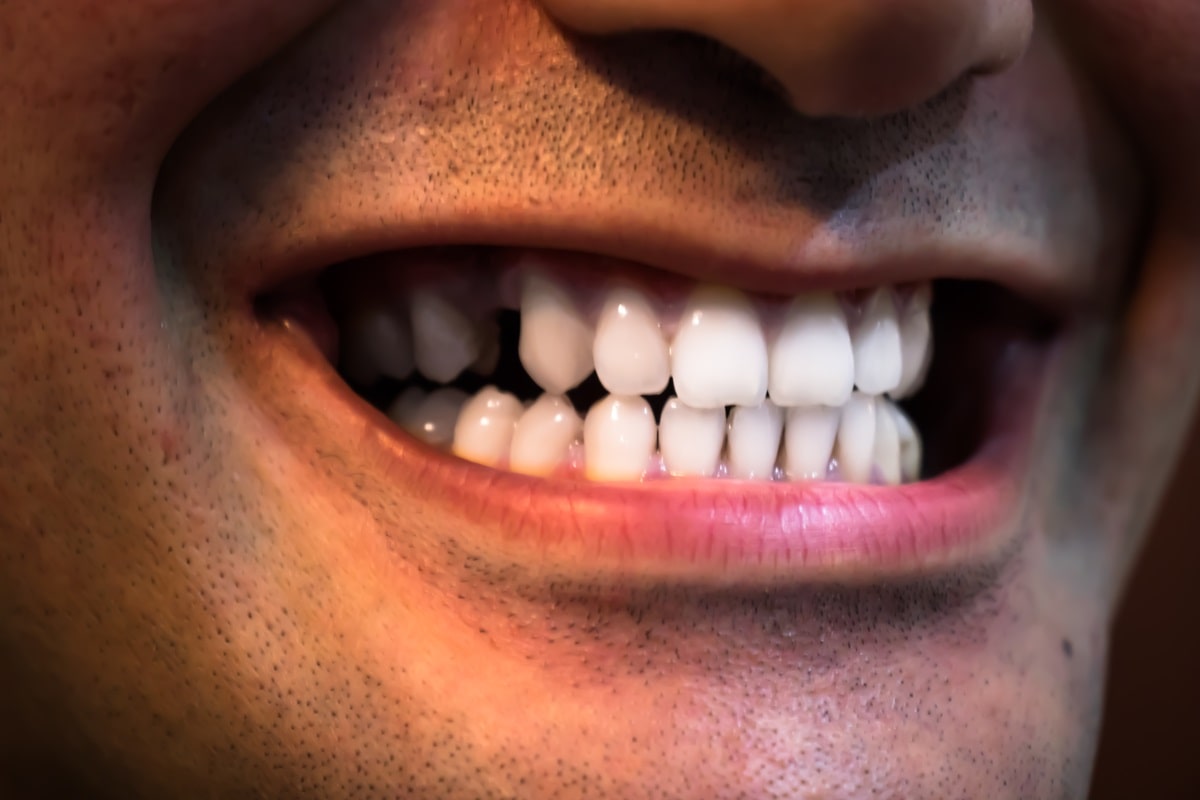
When natural enamel lightens but restorations stay the same, the difference in shade can become more noticeable. While this does not harm the material, uneven coloring can affect overall aesthetics.
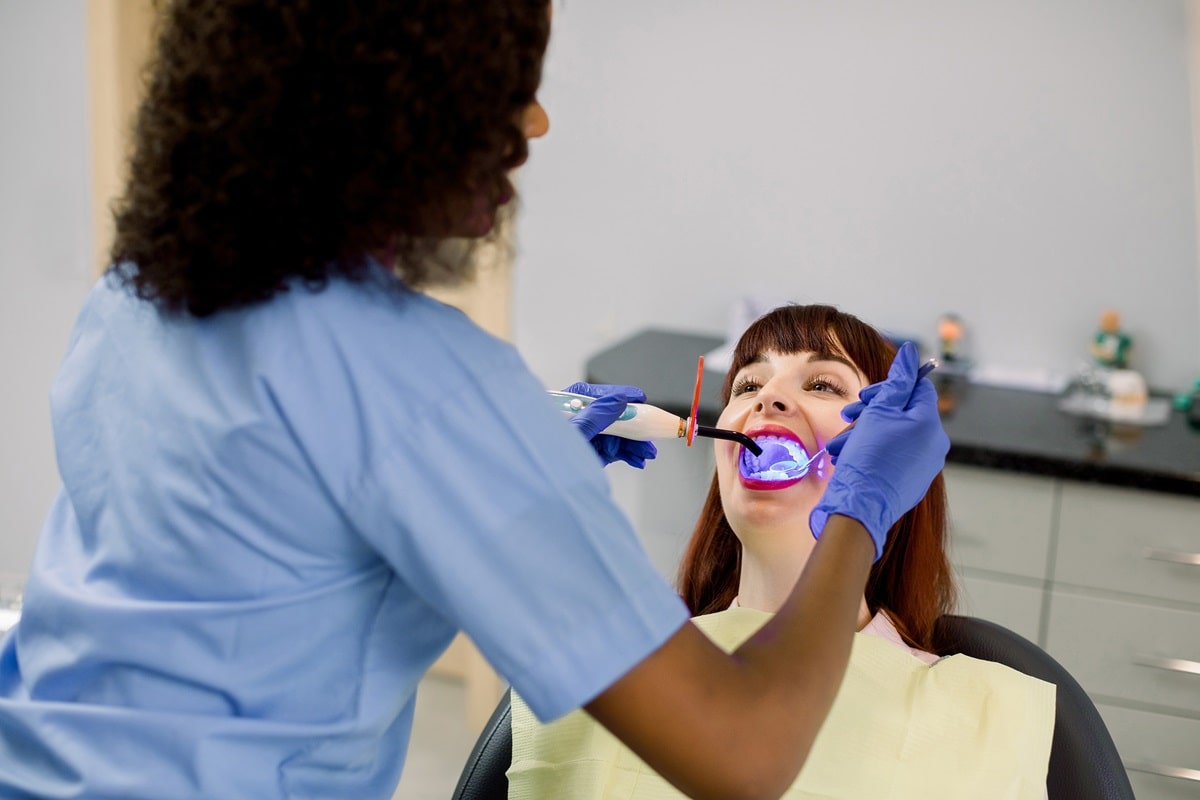
During clinical intervention, a specialist will monitor progress closely, using customized trays and precise formulas to prevent sensitivity or patchy results. If needed, older dental work can later be polished or replaced to match the new brightness of your natural enamel.
Safe And Effective Alternatives For A Uniform Smile
Even though smile brightening does not change the color of tooth caps, there are other ways to achieve a cohesive look:
- Professional Polishing And Cleaning: Removes surface stains from porcelain crowns and helps restore shine.
- Replacing Older Restorations: Updating worn or discolored tooth caps after smile enhancement ensures a balanced smile.
- Teeth Brightening Before Getting New Restorations: Brighten your natural enamel first so the new tooth cap matches the lighter shade.
- Avoiding Staining Foods And Beverages: Limit coffee, red wine, and dark sauces to maintain consistency.
- Using Minimally Invasive Enhancements: Options like bonding or veneers can help blend color differences without major treatment.
Guided by your dental provider, these steps help maintain a beautiful, natural-looking appearance.
Professional Evaluation And Treatment Planning
Before undergoing dental bleaching, a local dentist will assess your overall smile through a comprehensive shade-matching consultation. This includes checking your dental crown’s material, age, and placement. They sometimes recommend combining tooth bleaching with selective cap replacement for the most natural outcome. Visiting a qualified specialist ensures your teeth whitening in Great Neck is personalized, safe, and harmonious with your existing caps. Always follow their post-care advice, including routine maintenance and gentle cleaning habits, to preserve long-term results.
Achieve Balanced Results You Can Feel Confident About
When performed under professional supervision, smile enhancements can safely refresh your natural enamel while protecting your tooth cap. Coordinate your treatment plan with specialists who understand cosmetic balance and restorative integrity for complete, even results.
Visit our dental office for dedicated care that blends artistry with precision. With guidance, you will achieve a radiant, consistent smile that enhances your overall appearance. Book an appointment today and discover how a personalized whitening and restoration plan can safely and beautifully restore brilliance to your smile.
Frequently Asked Questions (FAQs)
1. Can whitening treatments affect crowns or other repaired teeth?
Whitening products brighten natural enamel but don’t alter artificial materials. Since restorations are nonporous, their color remains unchanged, sometimes creating contrast after whitening surrounding natural surfaces.
2. Will whitening make my crown look different from nearby teeth?
Yes, whitening can cause natural enamel to appear lighter than existing restorations. A specialist can adjust or replace older work afterward to maintain a seamless, uniform appearance.
3. Is professional whitening safe if I have multiple repaired teeth?
Yes, whitening is safe when supervised by a qualified provider. The primary concern is achieving consistent brightness, since restorations don’t lighten and may appear slightly darker afterward.
4. How long do whitening results last with existing restorations?
Whitening results usually last months to years, depending on habits and maintenance. Since restorations resist color change, occasional polishing or updating helps preserve an even, bright smile.
5. What should I ask my provider before whitening if I have crowns?
Ask about restoration materials, shade compatibility, and timing. A personalized plan combining whitening and replacement ensures natural and repaired teeth blend beautifully without uneven tones or contrast.