A bright smile makes a lasting impression, but many people struggle with yellow or stained teeth. While professional treatments deliver the most reliable results, certain home remedies can help maintain a naturally radiant smile. These remedies are safe, simple, and inexpensive—but knowing their limitations is just as important.
Why Do Teeth Lose Their Natural Whiteness?
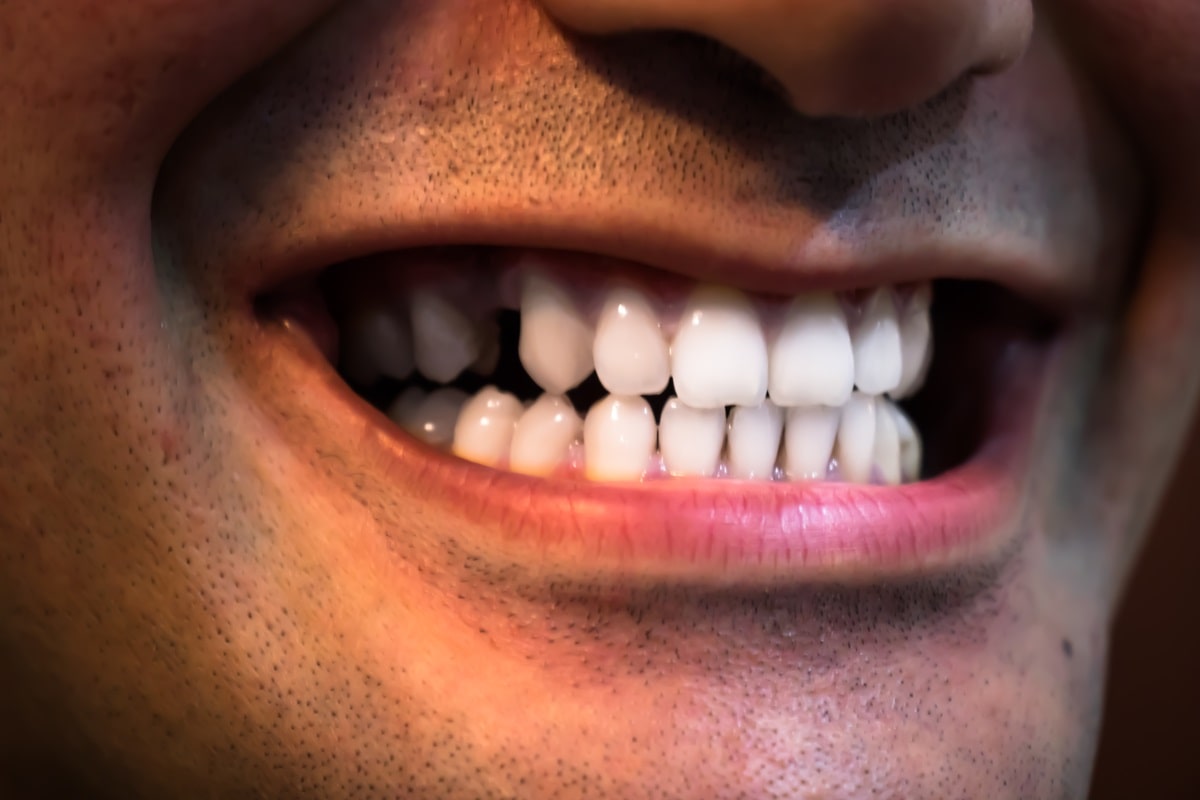
Teeth become discolored due to multiple factors. Various beverages and substances such as coffee, tea, red wine, and tobacco are widely recognized.. Poor oral hygiene, plaque buildup, or aging can also dull enamel over time. Even healthy foods like berries or tomato-based sauces may leave stains. Understanding the cause of discoloration helps in choosing the right whitening approach.
Effective Home Remedies for Whiter Teeth
When it comes to getting rid of stains from your teeth through at-home remedies, here are some of the most effective options:
Baking Soda and Hydrogen Peroxide Paste
Mixing a small amount of baking soda with hydrogen peroxide creates a gentle whitening paste. This method removes surface stains while reducing bacteria. Use only occasionally to avoid enamel erosion.
Oil Pulling with Coconut Oil
This is an ancient practice that reduces plaque buildup and bacteria. Swishing a tablespoon of coconut oil in your mouth for 10 to 15 minutes daily can improve oral cleanliness and quietly brighten teeth.
Brushing with Baking Soda
Baking soda has natural whitening properties. Adding a pinch to your toothbrush a few times a week may gradually remove stains. Remember, moderation is key, as overuse can wear down enamel.
Eating Crunchy Fruits and Vegetables
Apples, carrots, and celery act as natural scrubbers. Their fibrous texture removes the food particles and plaque, providing a fresher, whiter smile.
Rinsing After Dark-Colored Foods
Wine, coffee, soy sauce, and certain fruits can stain enamel. Rinsing your mouth with water immediately after consuming these foods helps minimize discoloration.
When to Consider Professional Whitening?
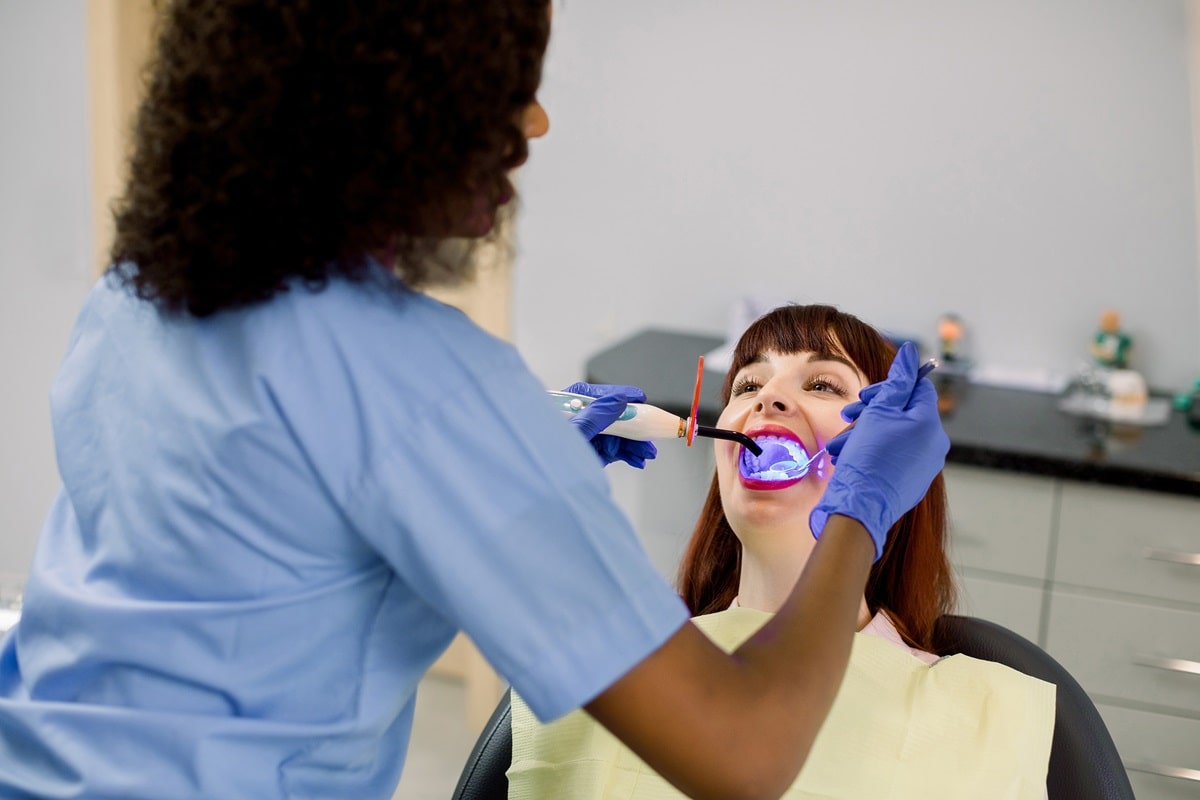
Home remedies provide mild results and are best for surface-level stains. However, if discoloration continues, it may be time to seek professional teeth whitening in Great Neck. It is performed under professional supervision, ensuring safe and dramatic improvements. Professional options are faster, longer-lasting, and customized to your unique needs.
Myths About Home Whitening Remedies
- Lemon juice or vinegar: This combination is acidic and can erode enamel rather than whiten it.
- Charcoal toothpaste: Popular but abrasive, it can damage enamel with long-term use.
- Excessive baking soda: Helpful in small amounts, but frequent use thins enamel.
Separating fact from fiction ensures your smile remains healthy as well as bright.
Why Balancing Home Care with Dental Expertise Matters?
Maintaining white teeth requires consistency in oral hygiene and conscious food choices. Brush twice daily with fluoride toothpaste, floss regularly, and limit staining foods. If you want noticeable results, dental professionals offer in-office teeth whitening in Great Neck, which is a safe, effective choice. By combining good habits with occasional whitening treatments, you can keep your smile radiant for years.
A few home remedies can help keep your teeth bright, but they should never replace professional care. For long-lasting results and reliable guidance, visit our dental office. Book an appointment today to get a smile you will be proud to show off.
FAQs on Home Remedies for White Teeth
1. What is the most effective natural remedy for whitening teeth?
Baking soda mixed with hydrogen peroxide is one of the most effective home remedies, though results are mild compared to professional whitening.
2. Does oil pulling actually whiten teeth?
Oil pulling with coconut oil may reduce plaque and bacteria, giving teeth a cleaner appearance, but its whitening effect is gentle.
3. Can eating apples really whiten teeth?
Yes, apples act as natural scrubbers due to their texture, which removes surface stains.
4. How long does it usually take for home remedies to start working?
It usually takes several weeks of consistent use before you notice small improvements in tooth color.
5. Are home whitening remedies safe for sensitive teeth?
Most remedies are safe when used occasionally. However, people with sensitive teeth should avoid acidic or overly abrasive options like lemon juice or charcoal.