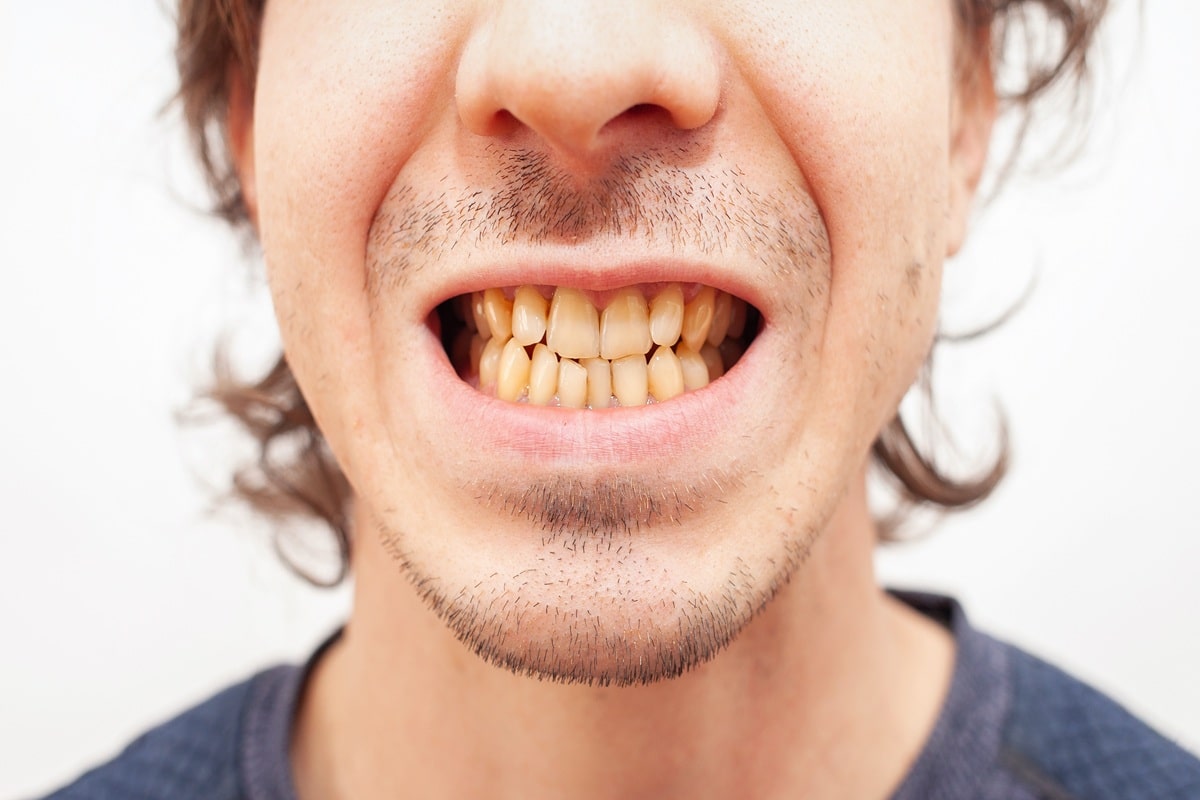
A chipped front tooth from biting something hard, a fine crack that hurts when you chew, or a larger fracture after an accident can change how your smile looks and feels. Tooth damage may appear minor at first, but even a small defect deserves attention because the visible portion does not always reveal the full extent of the problem.
From a dental perspective, the first priority is determining how much tooth structure has been affected. The location, depth, symptoms, bite forces, and appearance of the damaged tooth all influence which restoration may be appropriate.
At Signature Smiles, Dr. Yuval Spector and Dr. Daniela Spector provide patient-centered dental care for Great Neck and surrounding communities, combining clinical evaluation with attention to smile aesthetics. If you have damaged a tooth, visit our dental office so we can examine it and discuss your options.
What Is the Difference Between a Chipped, Cracked, and Broken Tooth?
Although these terms are sometimes used interchangeably, they can describe different degrees of tooth damage.
A chipped tooth usually means a small piece of enamel has broken away. Chips frequently occur along the edges of front teeth or the chewing surfaces of back teeth. Some cause no discomfort, while others create a sharp edge or sensitivity.
A cracked tooth has a line or fracture running through part of its structure. Some cracks are superficial, while deeper cracks can compromise the strength of the tooth. Pain while biting or sensitivity to temperature can sometimes accompany a crack.
A broken tooth generally involves the loss of a larger portion of tooth structure. Depending on the extent of the fracture, the tooth may become sensitive, painful, sharp, or difficult to use while chewing.
The important point is that appearance alone cannot reliably determine severity. A professional evaluation helps us understand what has actually happened and how much healthy tooth structure remains.
Why Do Teeth Chip, Crack, or Break?
Natural teeth are remarkably strong, but they are not indestructible. Damage can occur suddenly or develop gradually.
Common contributing factors include biting hard foods or objects, falls, sports injuries, accidents, nighttime clenching or grinding, and long-term wear. A tooth that has already lost some structural strength may also be more vulnerable to fracture.
Age can play a role because teeth experience years of chewing forces and temperature changes. Habits such as chewing ice or using your teeth to open packaging can add unnecessary stress.
When we evaluate a damaged tooth, understanding how the injury happened matters. Restoring the visible defect is only part of the goal. We also want to understand the forces that contributed to the damage so that the restoration has a suitable foundation.
What Should You Do Immediately After Chipping or Breaking a Tooth?
If part of a tooth breaks, contact a dental office promptly rather than assuming the problem is purely cosmetic.
Until you can be examined, avoid chewing on the damaged side. Rinse your mouth gently with water to keep the area clean. If the tooth has developed a sharp edge, be careful around your tongue and cheeks. If facial swelling follows an injury, a cold compress applied externally may help control swelling.
Do not repeatedly test a cracked tooth by biting on it. Additional pressure can place unnecessary stress on already compromised tooth structure.
Seek prompt attention when tooth damage is accompanied by significant pain, swelling, bleeding, pronounced sensitivity, or difficulty biting normally.
How Do We Decide Which Restoration Is Appropriate?
There is no single restoration that works for every chipped, cracked, or broken tooth.
During an evaluation, we consider the amount of remaining tooth structure, the location of the damage, whether the tooth is in the front or back of the mouth, your bite, and your aesthetic goals.
A small chip on a front tooth, for example, presents a very different situation from a large fracture affecting a heavily used chewing tooth. That is why choosing treatment before examining the tooth can be misleading.
Our approach to cosmetic dentistry begins with a healthy foundation. We evaluate the condition of the tooth and surrounding tissues before determining how its shape, strength, color, and overall appearance can be restored.
Dental Bonding for Minor Chips and Cracks
Dental bonding can be an effective option when damage is relatively minor.
Signature Smiles uses tooth-colored composite resin to repair chips and cracks. The material is selected to coordinate with the natural tooth, then applied and carefully shaped to rebuild the missing or irregular area. Once hardened, it is adjusted and polished so the repaired portion blends with the surrounding enamel.
Bonding is particularly useful for minor cosmetic concerns involving front teeth. It can restore a chipped edge, improve irregular contours, and conceal certain visible imperfections without covering the entire tooth.
Because every fracture is different, however, bonding is not automatically appropriate simply because a chip appears small. We first need to determine whether enough healthy structure remains to support the restoration.
Tooth-Colored Fillings for Damaged Teeth
Tooth-colored fillings are another option listed within Signature Smiles’ cosmetic services. They use composite material designed to blend with the appearance of natural teeth.
These restorations can rebuild areas where tooth structure has been compromised while avoiding the conspicuous appearance associated with traditional metallic materials.
When evaluating a damaged area, we look at how much structure needs to be rebuilt and how much pressure that portion of the tooth receives during normal biting and chewing. The objective is not simply to fill a visible defect. The restoration should complement the tooth’s form and function.
For Great Neck patients concerned about both appearance and repair, tooth-colored materials can make the restored area considerably less noticeable.
Porcelain Crowns for More Extensively Damaged Teeth
When a tooth has lost more substantial structure, a porcelain crown may provide broader coverage.
A crown rebuilds the visible portion of the tooth and can restore its shape, proportions, and appearance. Signature Smiles uses tooth-colored ceramic designed to closely resemble natural teeth and also offers same-day crowns created with CEREC technology.
Crowns can be particularly relevant when a fracture has compromised more structure than a small bonded restoration can predictably rebuild. The goal is to protect the remaining tooth while creating a restoration that functions naturally within the bite.
The shade, contour, size, and relationship with neighboring teeth all matter, particularly when the restored tooth is visible when you smile.
Porcelain Veneers for Visible Chips and Smile Imperfections
A porcelain veneer is a thin shell bonded to the front surface of a tooth. Veneers can alter a tooth’s size, shape, and color while concealing visible imperfections such as certain chips.
They may be considered when the primary concern involves the appearance of a front tooth and the clinical condition makes a veneer appropriate.
This is where planning becomes especially important. We do not evaluate an injured front tooth in isolation from the rest of the smile. Its width, length, color, edge position, and relationship to neighboring teeth all contribute to whether the final result looks natural.
Patients considering a cosmetic dentist should expect an assessment of both the damaged tooth and how any proposed restoration will fit into the overall smile.
When Can a Porcelain Bridge Be Relevant?
Porcelain bridges are included among the options available through Signature Smiles. Their purpose differs from bonding, fillings, veneers, and crowns because a bridge is designed to fill a space where a tooth is missing.
Therefore, a bridge is not the routine answer to a simple chip or crack. It becomes relevant when the dental situation involves a missing tooth and replacement of that space is being considered.
A porcelain bridge can help restore the visible continuity of the smile while providing partial function to the treated area. Whether it is appropriate requires an individualized assessment of the surrounding teeth and overall oral condition.
Does Teeth Whitening Repair a Chipped or Broken Tooth?
No. Professional teeth whitening does not rebuild missing tooth structure or physically repair a crack.
Whitening is offered at Signature Smiles to lift stains and brighten natural teeth by several shades, with both in-office treatment and take-home options available. It may become part of a broader aesthetic plan when someone wants to address tooth color as well as visible damage.
Sequence matters when combining treatments. If a tooth-colored restoration is planned, we need to consider the desired final tooth shade because restorative materials do not respond to whitening in exactly the same manner as natural enamel.
This illustrates why cosmetic dentistry is most effective when treatments are planned together rather than viewed as isolated procedures.
Can You Wait to Repair a Chipped or Cracked Tooth?
Waiting is not advisable when you do not know how extensive the damage is.
A minor-looking chip may remain largely an aesthetic concern, but cracks can be more difficult to judge without an examination. Local dental resources in Great Neck similarly emphasize early assessment because untreated cracks may progress over time.
You should be particularly attentive to pain when biting, temperature sensitivity, a rough or sharp edge, visible fracture lines, swelling, or a noticeable change in your bite.
Even when there is no pain, scheduling an evaluation is sensible. Some dental problems produce limited symptoms initially, and earlier assessment gives us an opportunity to determine what level of restoration is actually required.
How Can You Protect a Restored Tooth?
Once a damaged tooth has been restored, everyday habits can influence how well the restoration holds up.
Brush consistently, clean between your teeth, and maintain regular dental visits. Avoid chewing ice, pens, fingernails, and other hard objects. Never use your teeth to open packages or containers.
Watch for changes around the restored tooth. Evaluate any new sensitivity, roughness, movement, discomfort when chewing, or visible changes.
No dental restoration is maintenance-free. Natural teeth and restored teeth both benefit from consistent oral care and periodic professional evaluation.
Restore Your Damaged Tooth at Signature Smiles in Great Neck
A chipped, cracked, or broken tooth doesn’t automatically tell us what treatment you need. The right approach depends on the extent of the damage, remaining tooth structure, tooth location, bite forces, and your aesthetic priorities.
If you are looking for a cosmetic dentist after chipping, cracking, or breaking a tooth in Great Neck, schedule an evaluation rather than waiting for the damage to become more noticeable. Visit Signature Smiles at 55 Northern Blvd, Suite 101, Great Neck, NY 11021, to discuss how we can restore your smile’s health, function, and appearance.
Frequently Asked Questions
1. Can a chipped tooth be repaired without covering the entire tooth?
Yes. Minor chips may be restored with dental bonding using tooth-colored composite resin. The appropriate choice depends on the chip’s size, location, bite pressure, and amount of healthy tooth structure remaining after damage.
2. How do I know whether my tooth is chipped or cracked?
A chip usually involves a missing piece of enamel, while a crack may appear as a line extending through the tooth. Because more serious damage is not always visible, a dental evaluation is recommended promptly.
3. Is a cracked tooth an emergency if it does not hurt?
Not every crack requires immediate emergency attention, but lack of pain does not confirm that a tooth is healthy. Cracks can progress, so arranging an examination promptly helps determine their extent and appropriate restoration options.
4. Can dental bonding repair a broken front tooth?
Bonding may rebuild minor areas of missing front-tooth structure using tooth-colored composite resin. Larger fractures may require broader coverage. Your dentist must assess the remaining structure and bite before determining whether bonding is appropriate.
5. Is a veneer or crown better for a chipped front tooth?
Neither option is universally better. Veneers primarily cover the visible front surface, while crowns provide more extensive coverage. The appropriate restoration depends on the amount of damage, remaining structure, bite forces, and aesthetic goals.
6. Why does my cracked tooth hurt when I bite down?
Biting places pressure on tooth structure. If a tooth is cracked, that pressure can trigger discomfort around the damaged area. Pain during chewing should be professionally evaluated rather than repeatedly testing the tooth yourself.
7. How soon should I see a dentist after breaking a tooth?
Contact a dental office as soon as possible for guidance, especially when the fracture causes pain, sensitivity, swelling, bleeding, or difficulty chewing. Prompt assessment helps determine the extent of damage and suitable restoration options.