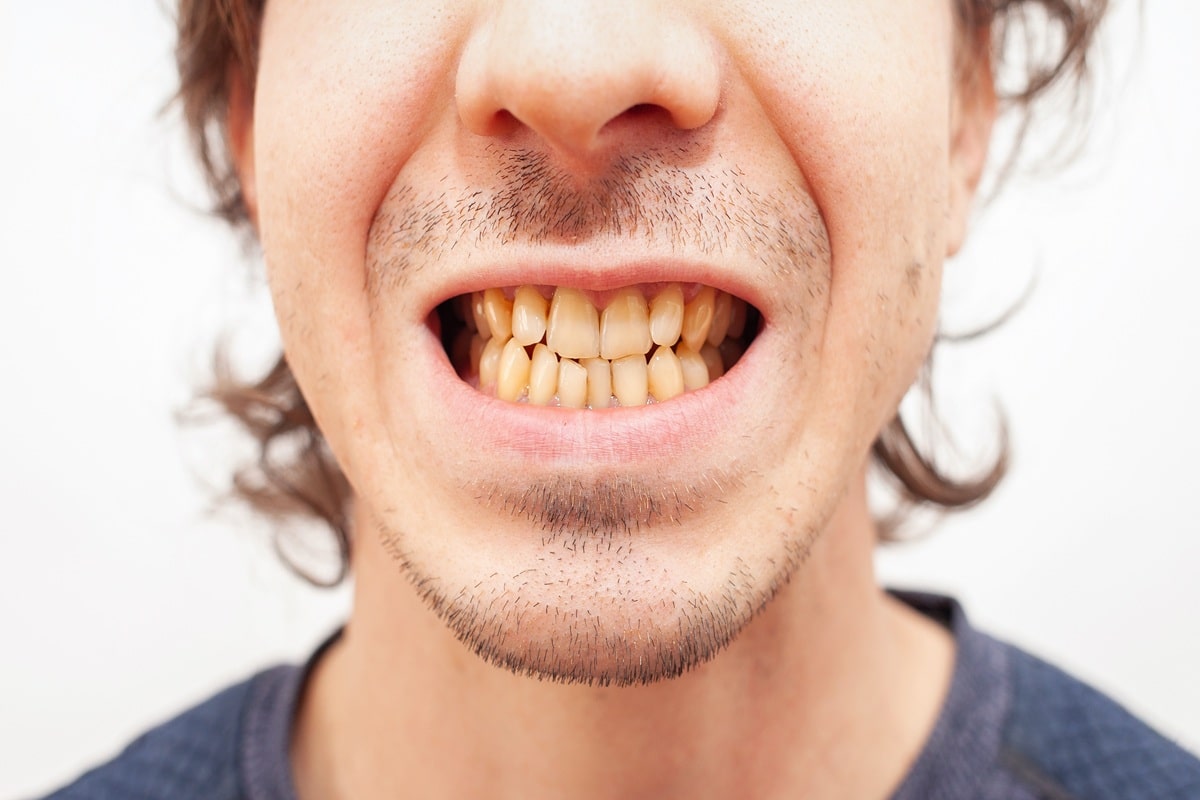
If you brush your teeth twice a day, floss regularly, and maintain an impeccable oral hygiene routine, discovering a yellow tint in the mirror can be incredibly frustrating. Daily brushing efficiently removes surface plaque and prevents decay, but it cannot always alter the structural, genetic, or lifestyle factors that dictate the shade of your smile. Stubborn discoloration often stems from changes deep within the tooth architecture or routine exposure to external staining agents that standard toothpaste simply cannot eliminate.
Understanding the precise mechanism behind tooth discoloration requires a closer look at dental anatomy and daily habits. At Signature Smiles, our premier practitioners, Dr. Yuval Spector and Dr. Daniela Spector, combine decades of clinical expertise with advanced therapeutic techniques to help patients uncover the true cause of their discoloration and achieve a radiant smile. If you are ready to transition from frustration to a bright, healthy smile, we invite you to visit our dental office today for a personalized evaluation.
The Anatomy of a Tooth: Enamel vs. Dentin
To understand why teeth turn yellow despite excellent hygiene, you must look at the two primary layers of a tooth: enamel and dentin. Enamel is the hard, highly mineralized outer surface of the tooth, which is naturally white or off-white. Beneath the enamel lies dentin, a denser, softer tissue layer that possesses a natural yellow or yellowish-brown hue.
When your enamel is thick, it completely reflects light and keeps your smile looking bright. However, enamel is naturally translucent. As it thins over time due to wear, friction, or microscopic acid erosion, the vibrant yellow dentin beneath begins to reflect through the surface. This anatomical reality explains why brushing harder or longer will not whiten your teeth; in fact, aggressive brushing with abrasive toothpastes can inadvertently accelerate enamel wear, making the underlying yellow dentin even more visible to the naked eye.
When daily brushing fails to yield the bright results you desire, partner with a trusted cosmetic dentist to safely and effectively transform your smile. Professional treatment protocols utilize specialized, highly concentrated clinical agents that can penetrate the microscopic pores of the enamel to break down deep-seated intrinsic stains safely.
5 Hidden Reasons Your Teeth Still Look Yellow
While poor oral hygiene is a common cause of discoloration, many individuals experience yellowing due to subtle biological, systemic, or lifestyle variables. Below are the primary culprits that cause teeth to lose their brilliance despite meticulous daily brushing.
1. Natural Enamel Thinning and Aging
As we grow older, our teeth naturally undergo structural modifications. Years of chewing, speaking, and exposure to dietary acids gradually wear down the outer enamel layer. Because enamel cannot regenerate once it is lost, the visibility of the naturally yellow dentin increases progressively over time, resulting in a darker, more mature smile profile.
2. Micro-Erosion from Local Culinary Delicacies
What we consume plays a massive role in the color of our teeth. Many residents in our vibrant community frequently enjoy artisanal dark roasts at local coffee shops along Middle Neck Road or indulge in deeply pigmented balsamic reductions and rich marinara dishes at favorite eateries near the Long Island Rail Road station.
These culinary staples contain highly concentrated chromogens, color-pigmented molecules that adhere firmly to dental enamel. Furthermore, frequent exposure to highly acidic beverages, such as fine wines or citrus infusions, temporarily softens the enamel matrix. This allows intense stains to penetrate deeper into the porous micro-structures of the tooth, cementing a yellow appearance that standard over-the-counter brushing routines cannot budge.
3. Genetic Predispositions
Just like eye color or skin tone, the baseline shade, thickness, and density of your dental enamel are inherited traits. Some individuals are genetically predisposed to having naturally thinner or more translucent enamel from birth. If your genetics dictate a higher volume of dense, deeply saturated dentin or a more porous enamel structure, your teeth may inherently appear more yellow, even if you have never had a cavity in your life.
4. Micro-Cracks and Surface Dehydration
Throughout daily life, teeth experience minor thermal and mechanical stresses from hot and cold beverages or minor teeth grinding. Over time, these stresses can create microscopic fractures or “craze lines” in the enamel. While these micro-cracks do not jeopardize the structural safety of the tooth, they act as microscopic pathways where microscopic food particles and staining tannins lodge themselves, safely out of reach of your toothbrush bristles.
5. Historical Medical Treatments and Technical Factors
Certain systemic health conditions and historical medical interventions can alter the internal color of teeth. According to data published by the National Institutes of Health (NIH), exposure to specific medications, such as tetracycline antibiotics, during critical periods of tooth development in early childhood can cause permanent, intrinsic gray-to-yellow banding inside the dentin. Furthermore, systemic conditions or high fluoridation exposure during tooth formation can alter the structural calcification of the enamel, yielding a mottled, uneven, or deeply yellowed appearance that external hygiene cannot fix.
Intrinsic vs. Extrinsic Staining: What Is the Difference?
To effectively address tooth discoloration, clinical professionals categorize stains into two distinct types: extrinsic and intrinsic.
| Stain Category | Primary Location | Common Causes | Responsiveness to Daily Brushing |
| Extrinsic Stains | Outer Enamel Surface | Coffee, tea, dark berries, tobacco products, and red wine. | Partially responsive to whitening toothpastes; easily addressed by professional hygiene cleanings. |
| Intrinsic Stains | Internal Dentin Layer | Aging, genetics, specific antibiotics, internal trauma, and enamel thinning. | Completely resistant to standard toothpastes, brushing routines, and surface rinses. |
Extrinsic stains live purely on the outer surface of the tooth. They form when residue from dark food, beverages, or lifestyle habits bonds to the protein film coating the enamel. While regular cleanings can lift these surface marks, intrinsic stains are locked within the inner dentin layer. As standard brushing only contacts the exterior enamel surface, it has zero impact on the internal chemical structure of the tooth, leaving intrinsic yellowing completely unchanged.
The Role of Professional Dental Interventions
Investing in advanced cosmetic dentistry allows you to move past highly abrasive DIY whitening trends that risk permanently destroying your enamel. A customized professional plan ensures that whether your yellowing is caused by natural aging, genetic traits, or years of enjoying local culinary favorites, your treatments are tailored specifically to your unique oral anatomy, ensuring stunning, long-lasting, and highly predictable results.
Take Control of Your Smile’s Radiance
Resolving stubborn tooth discoloration requires an understanding of your unique dental biology. Instead of guessing at the drugstore aisle, schedule a comprehensive, personalized diagnostic evaluation at our office.
Our proficient team will analyze your enamel thickness, evaluate your unique staining patterns, and design a customized, scientifically verified treatment plan customized to your exact anatomical needs. To discover the exact reason behind your discoloration and explore advanced, customized options for your smile, book an appointment with our experienced team today.
Frequently Asked Questions (FAQs)
1. Why doesn’t whitening toothpaste fix my yellow teeth?
Whitening toothpastes only contain mild abrasives designed to polish away superficial, surface-level extrinsic stains. They cannot penetrate the outer enamel to alter intrinsic yellowing located deep within the internal dentin layer.
2. Can aggressive brushing help remove the yellow tint from my teeth?
No, aggressive brushing will not whiten your teeth and will instead cause permanent harm. Scrubbing too hard erodes the protective enamel layer, exposing more of the naturally yellow dentin underneath.
3. How do local foods and drinks contribute to my stubborn tooth discoloration?
Deeply pigmented foods and acidic beverages break down the microscopic surface structure of your enamel. This allows strong color compounds to bind deeply within the tooth, creating stains brushing cannot reach.
4. Is tooth yellowing an indicator of poor overall oral health?
Not necessarily, as teeth can turn yellow due to natural aging, genetic factors, or thin enamel. However, a professional evaluation is vital to rule out underlying enamel erosion or decay.
5. How does professional teeth whitening differ from my daily brushing routine?
Professional whitening utilizes highly concentrated, clinical-grade oxygenation agents that safely penetrate the enamel matrix. This process breaks apart stubborn, deep-seated intrinsic discoloration compounds that regular toothpastes simply cannot touch.
6. Can old dental injuries cause a single tooth to turn yellow?
Yes, internal physical trauma can cause the living pulp inside a tooth to reactively lay down extra dentin. This internal structural shift darkens the tooth from within, rendering external brushing completely ineffective.
7. What is the safest way to address long-term intrinsic tooth yellowing?
The safest method is to collaborate with a dental professional for a comprehensive clinical assessment. They can provide high-tier whitening systems or custom porcelain restorations tailored specifically to your smile.