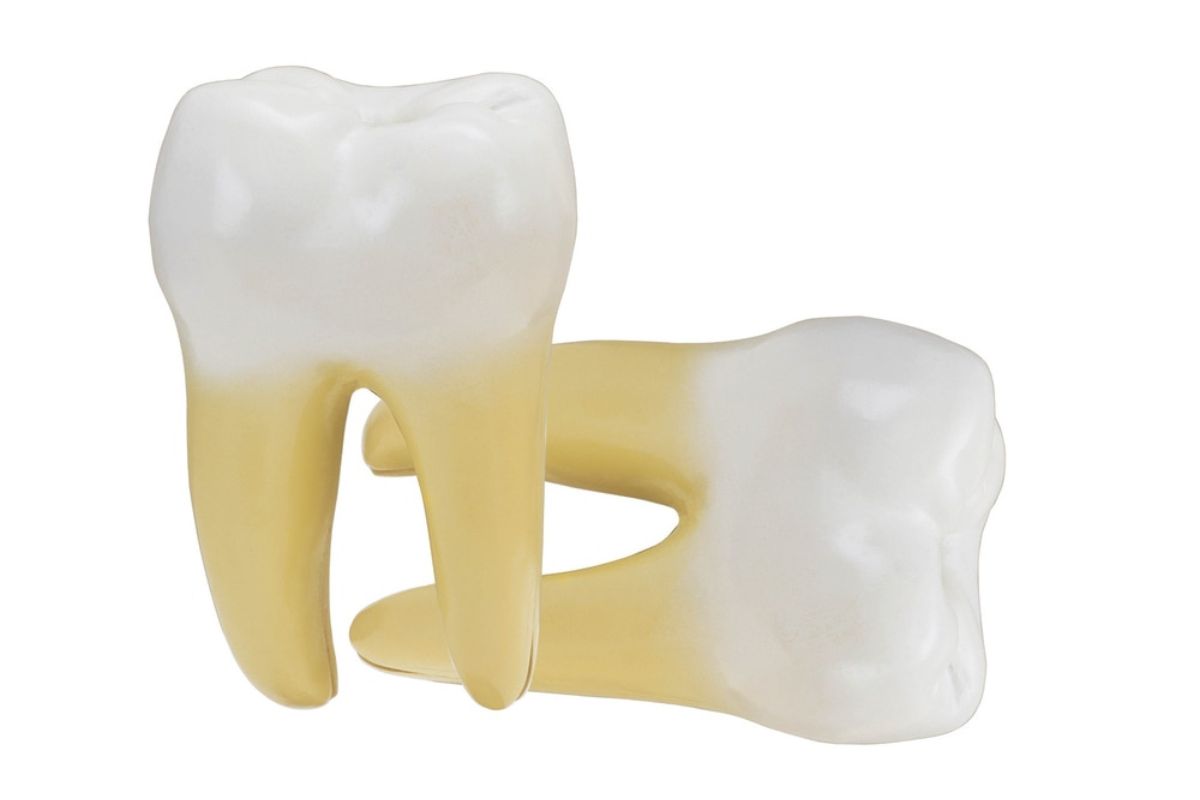
A cracked tooth can be both alarming and painful, and many people experience it at some point. Whether from an accident, grinding your teeth, or just the wear and tear of everyday use, chipped teeth can lead to complications if not treated promptly. While the damage may seem minor at first, seeking professional dental care is crucial to ensure the longevity of your tooth and avoid further issues.
Why You Should Never Ignore A Cracked Tooth?
Fractured teeth can worsen over time, even if they do not cause immediate pain. Small splits may seem harmless, but they can easily turn into bigger problems, like infections or the need for tooth extraction. If you notice discomfort or suspect damage, it is crucial to visit a dentist in Great Neck immediately for an evaluation. Professionals are skilled in assessing the severity of the damage and can recommend appropriate treatment to prevent complications.
What Are The Main Reasons For Your Teeth To Crack?
Knowing the common causes of teeth with fractures can help you prevent them in the future. Some of the most frequent causes include:
- Accidents and Injuries: A blow to the face or an unexpected fall can result in a fractured tooth.
- Bruxism (Teeth Grinding): Chronic teeth grinding, especially at night, can wear down your enamel and cause cracks.
- Chewing Hard Foods: Foods like ice, nuts, and hard candy can put excessive pressure on your teeth, increasing the risk of fractures.
- Aging: Over time, your teeth naturally become brittle, eventually causing chipped teeth.
How Dental Professionals Save Chipped Teeth?
Once you visit a professional’s clinic, they will assess the extent of the damage. The treatment approach will depend on the fracture’s severity. Here are the top treatment options:
1. Dental Bonding: A Quick Fix For Minor Cracks
For small fractures, dental bonding is a non-invasive option. The specialist will apply a tooth-colored resin to fill in the crack, restoring the appearance of your tooth. Then, the resin is hardened using a special light, and the tooth is shaped to match its natural form.
2. Dental Crowns: A Stronger Solution For Bigger Damage
If the split is extensive, a dental crown might be necessary. This cap fits over the damaged tooth, protecting it from further damage and improving its function. Crowns are custom-made to match the shape and color of your natural teeth, providing a seamless solution.
3. Root Canal Therapy: Saving Your Tooth When The Nerve Is Affected
When the damage reaches the pulp (the inner nerve of the tooth), a root canal may be required. The procedure removes the infected tissue, cleans the inside of the tooth, and seals it to prevent further infection. Afterward, a crown is placed over the tooth for added protection.
4. Tooth Extraction: When Saving The Tooth Is Not Possible
In some cases, the condition may be too severe to repair, and extraction may be the only option. Afterward, a dental practitioner will discuss tooth replacement options, such as dental implants or bridges, to restore your smile.
What To Do Immediately After Cracking A Tooth?
If you have been in a situation where your teeth get cracked, it is essential to take action immediately. In the meantime, you can manage discomfort by rinsing with warm water, applying a cold compress to reduce swelling, and avoiding chewing on the damaged teeth. However, you should still make an appointment with a specialist without expecting it to heal on its own. If you do so, the condition may lead to further complications, and treatment may be invasive.
Expert-Approved Tips For Preventing Cracks In Your Teeth Safely
Prevention is always better than treatment. Here are a few tips to avoid cracking your teeth in the future:
- Wear A Mouthguard: If you play contact sports or grind your teeth at night, a mouthguard can protect your teeth from injury and excessive pressure.
- Be Mindful of Hard Foods: Avoid biting down on hard foods like ice or hard candy, as they can chip your teeth.
- Visit A Dentist Periodically: Regular checkups with a dentist can help detect any early signs of damage before they turn into serious issues.
Save Your Tooth From Damage With The Right Guidance
A damaged tooth might seem like a minor inconvenience, but without proper treatment, it can lead to serious dental issues. If you are experiencing discomfort or suspect a cracked tooth, visit our dental office to discuss your treatment options. Our experienced team can help you choose the best solution to save your tooth and restore your smile. You can also book an appointment online with us today and get the care you need to maintain a healthy, functional smile. By taking quick action, you can avoid complications and keep your teeth in optimal condition. Our dentist will provide personalized care to ensure your tooth remains strong and healthy.
Frequently Asked Questions (FAQs)
Q. Can a cracked tooth heal on its own?
Tooth fractures do not heal on their own. Without proper treatment, the condition can worsen, leading to further complications like infection or tooth loss.
Q. How do I know if my tooth is cracked?
Damaged teeth often cause pain while chewing or when exposed to hot and cold temperatures. You may also notice visible cracks or chips in your tooth, especially along the surface.
Q. What are the risks of leaving a cracked tooth untreated?
Leaving a cracked tooth untreated can lead to infection, further fracturing, or even the need for extraction. The condition may worsen over time, resulting in greater discomfort and dental complications.
Q. Can a split tooth cause infection?
Yes, a damaged tooth can expose the pulp to bacteria, increasing the risk of infection. If untreated, this can lead to abscesses and severe pain requiring more complex treatment.
Q. What is the best way to protect a fractured tooth?
The best protection for a cracked tooth is timely professional treatment, such as a crown or bonding. Avoid chewing on the damaged side, and practice good oral hygiene to prevent further issues.