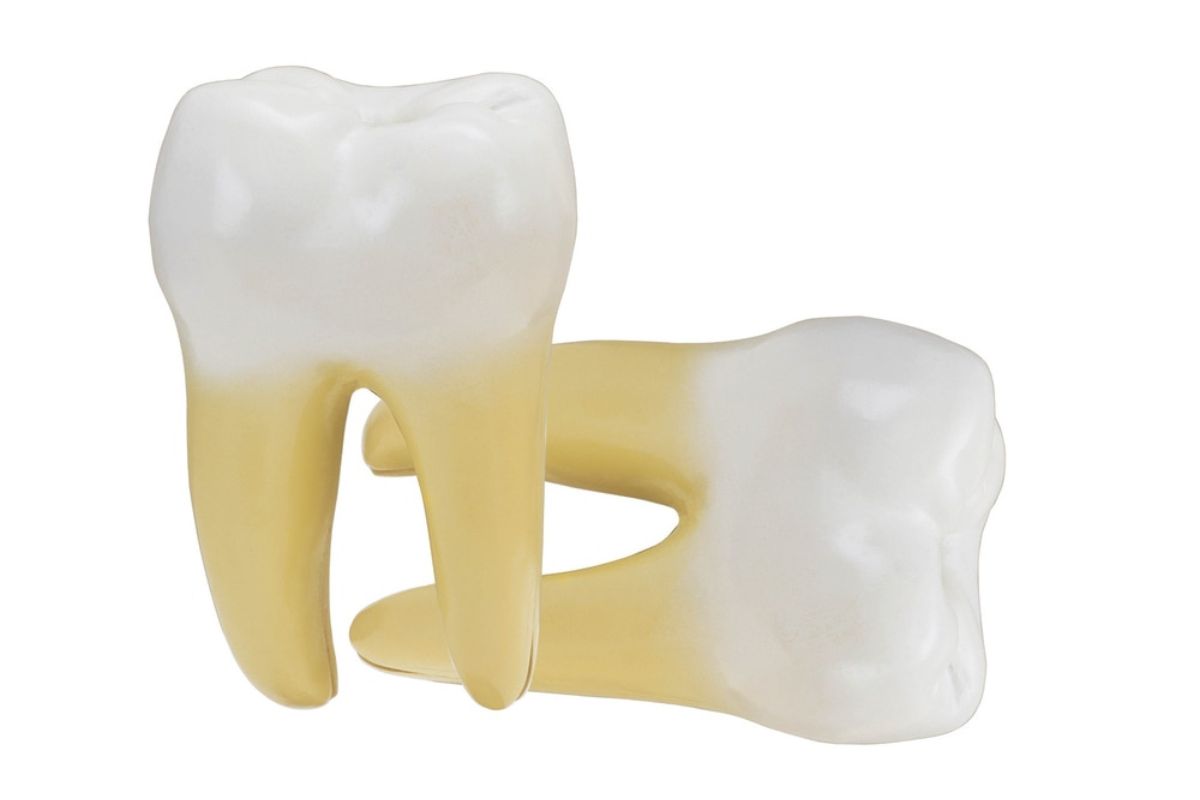
Taking care of your oral health is essential, but dental issues can sometimes arise unexpectedly and require immediate attention. It is necessary to recognize when a seemingly simple problem could escalate into something serious. Delaying treatment can lead to more extensive procedures and a longer recovery. If you notice any of the following signs, seek professional care to avoid further complications.
Signs That Require Immediate Dental Attention
Ignoring dental problems can lead to long-term damage, including tooth loss, infections, and even invasive procedures. If you notice any of these warning signs, it is best to contact a professional immediately to ensure your health is protected.
1. Persistent Tooth Pain
If you are experiencing constant or severe tooth pain, it could be a sign of an underlying issue such as an abscess, tooth decay, or nerve damage. Persistent pain, especially when eating or drinking hot and cold substances, should never be ignored. Severe toothaches can indicate that the problem has worsened, and immediate attention is needed to relieve the pain and prevent the spread of infection.
What to do: If the pain does not subside within a few hours or if over-the-counter pain relievers are not providing relief, it is time to visit our dental office. An evaluation will determine the cause and the best course of treatment.
2. Swollen Or Bleeding Gums
Gum disease, also known as gingivitis, is a common condition that can progress to severe gum problems if left untreated. Swollen or bleeding gums, particularly while brushing or flossing, can be a sign of gum infection. Gum disease does not always come with pain, but it is vital to address it before it develops into periodontitis, which could result in tooth loss.
What to do: If you notice your gums bleeding regularly or feeling inflamed, it is a good idea to consult with a trusted dentist. Treatment can help reverse the damage, and early intervention is crucial in preventing more severe consequences.
3. Broken Or Cracked Teeth
Accidents happen, and teeth can break or crack from trauma, biting into hard objects, or excessive grinding. Even if you do not feel pain immediately, a cracked tooth can become a breeding ground for bacteria, potentially leading to infections or abscesses. A fracture can also worsen if left untreated, causing further damage and increasing the likelihood of requiring a root canal or extraction.
What to do: If you have a chipped or cracked tooth, visit a nearby dental office immediately. A professional can assess the damage and restore your tooth with a crown or other restorative procedures to prevent further harm.
4. Sudden Sensitivity To Hot Or Cold
If you suddenly experience sharp sensitivity to hot or cold food and drinks, it might be a sign of tooth decay, worn fillings, or gum recession. Tooth sensitivity can indicate that the protective enamel is weakening or that the nerves inside your teeth are being exposed. Ignoring this sensation may lead to intense pain or infections.
What to do: If the sensitivity becomes consistent or unbearable, do not hesitate to seek professional assistance. Identifying the root cause early can prevent the problem from escalating into a more serious condition.
5. Loose Teeth
Loosening teeth in adults is not normal and can be caused by severe gum disease, trauma, or an underlying health issue. If your teeth feel loose or you notice a shift in their position, it is crucial to seek attention right away. Periodontitis, a severe form of gum disease, can cause teeth to loosen and fall out if untreated.
What to do: If your teeth feel loose or you are noticing changes in your bite, it is time to schedule an appointment. Early intervention can help save your teeth and prevent the loss of any permanent teeth.
Your Healthy Smile Starts With Immediate Action
Oral health issues can escalate rapidly, making it essential to act promptly when symptoms appear. Whether you are experiencing severe tooth pain, bleeding gums, or a cracked tooth, addressing the issue early can prevent further damage and discomfort. If you notice any of these warning signs, don’t wait! Book an appointment with our experienced dentists today. Ensuring your oral health is in good hands will help you maintain a healthy and beautiful smile for years to come.
Frequently Asked Questions (FAQs)
Q. How often should I schedule a dental exam?
Routine exams every six months help detect issues early and maintain your oral health. Your dentist may recommend more frequent visits, tailored to your individual needs.
Q. What should I expect during my first visit?
Your initial appointment will include a comprehensive assessment, digital imaging if needed, and a clear discussion of your care plan. We aim to make this step informative and comfortable.
Q. Is dental technology essential for my treatment?
Yes—advanced tools, such as digital imaging and precision instruments, support accurate diagnosis and less invasive care. These technologies enhance comfort and outcomes across treatments.
Q. What are the signs I should see a dentist right away?
Persistent pain, unexplained bleeding, or a loose tooth signal potential serious issues. Prompt evaluation helps prevent complications and larger procedures later.
Q. How does preventive care support long‑term oral health?
Regular hygiene visits, cleanings, and monitoring catch problems while they’re small. This proactive approach protects your smile and supports overall health.